Aluminum vs. Plastic: How Coffee Capsule Packaging Material Impacts Cost, Freshness, and Brand Positioning
Coffee capsules may look similar, but the choice of material – aluminum or plastic (#5 polypropylene) – profoundly affects cost, compatibility, freshness, sustainability, and brand perception. For new coffee brands or businesses entering the market, understanding the differences of different coffee pod packaging materials is essential. This article breaks down how aluminum and plastic single-serve coffee pods compare across key factors, helping you decide which suits your goals and customers best.
How Coffee Capsule Packaging Materials Differ
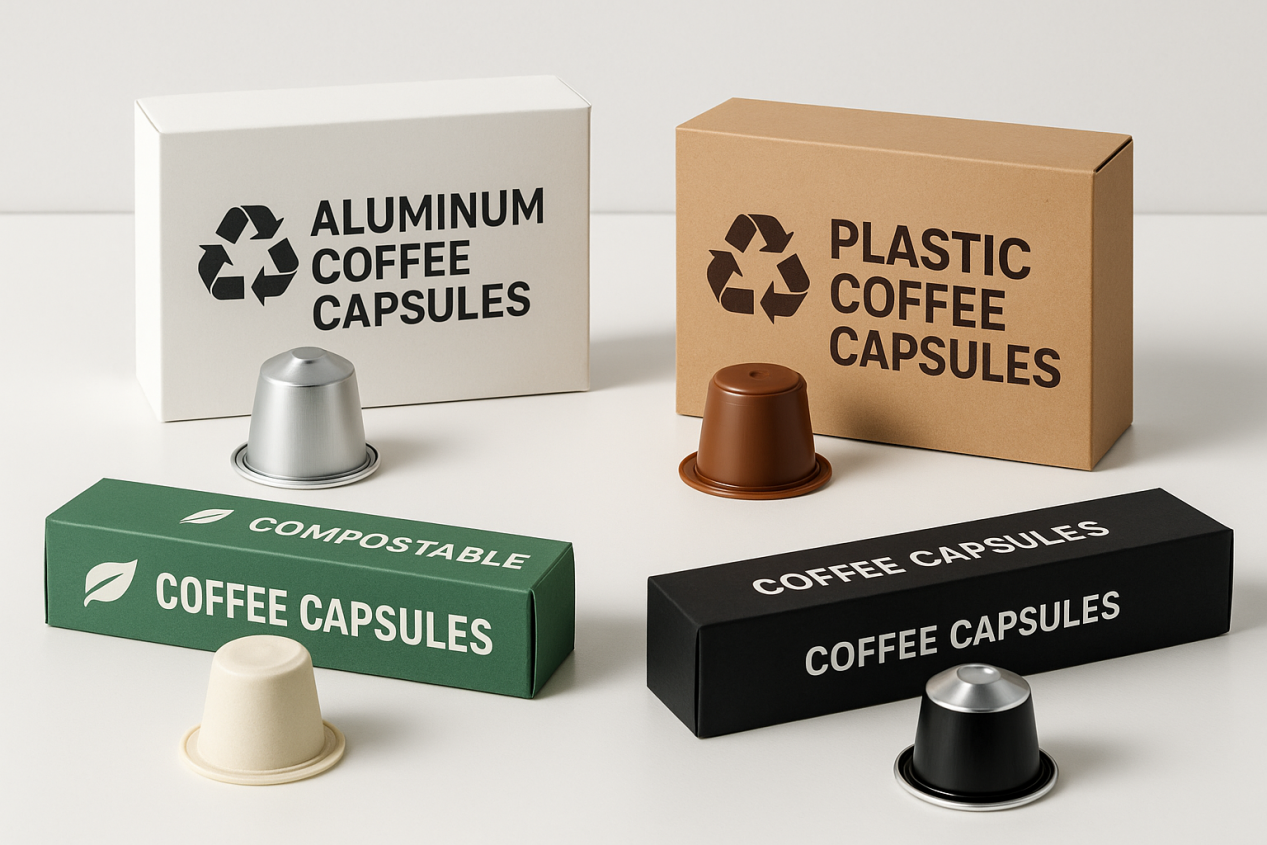
Coffee capsules are essentially miniature sealed containers designed to lock in freshly ground coffee. Both aluminum and plastic pods typically include an inner paper filter and are flushed with inert gas (e.g. nitrogen) before sealing. The main difference is the shell material. Plastic pods are made by injection-molding food-grade polypropylene, often with colored lids or bodies. Aluminum pods are stamped from thin sheet metal and crimped with an aluminum foil lid.
- Plastic Capsules (#5 polypropylene): Widely used (especially in North America), cheap to produce, and compatible with many machines. They are lightweight and can be made in many colors and shapes, offering design flexibility.
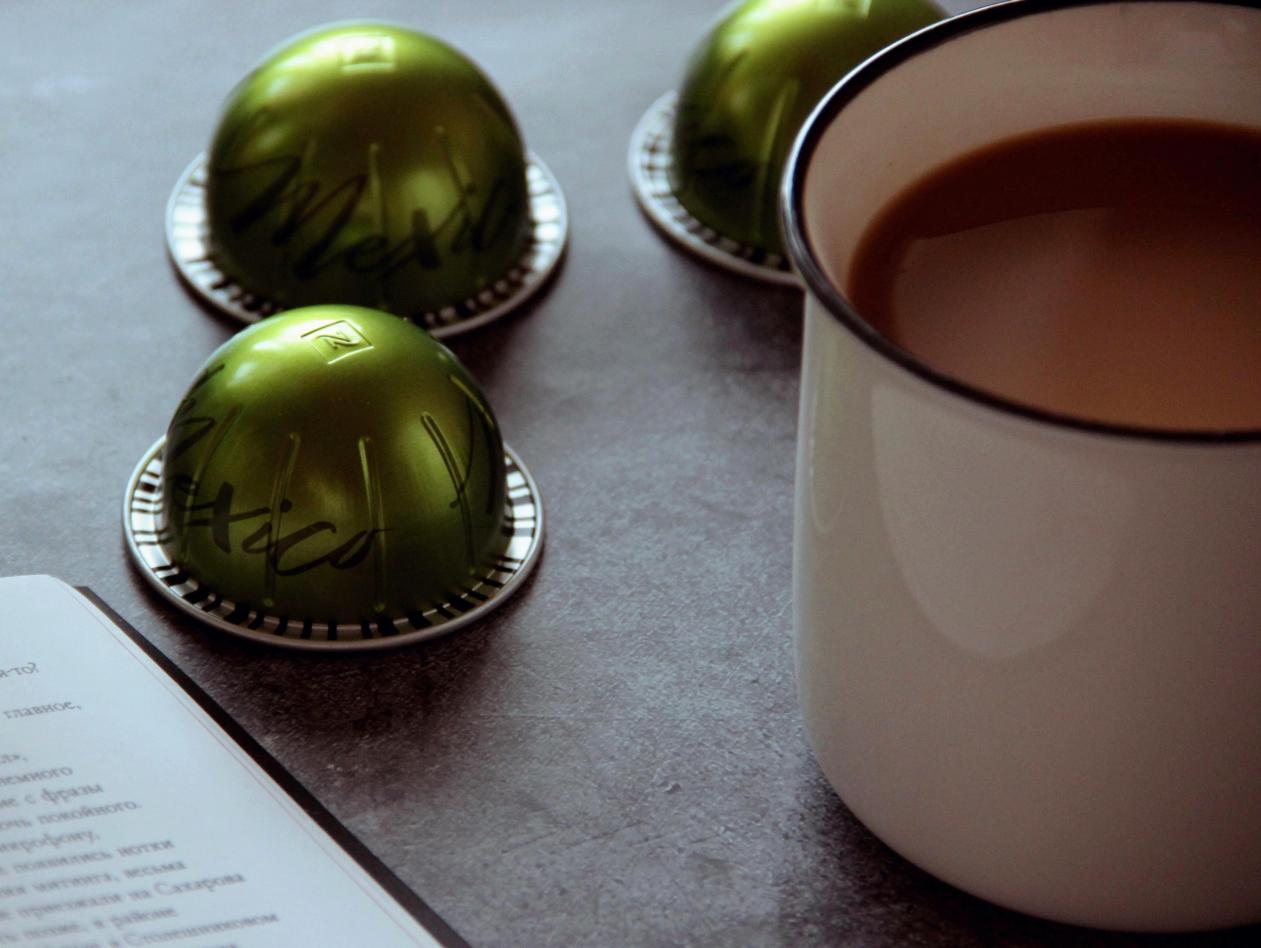
- Aluminum Capsules: More common in premium pods (like Nespresso). They form an almost hermetic seal and are rigid. Aluminum is heavier and typically metallic-colored (though it can be anodized or painted in campaigns).
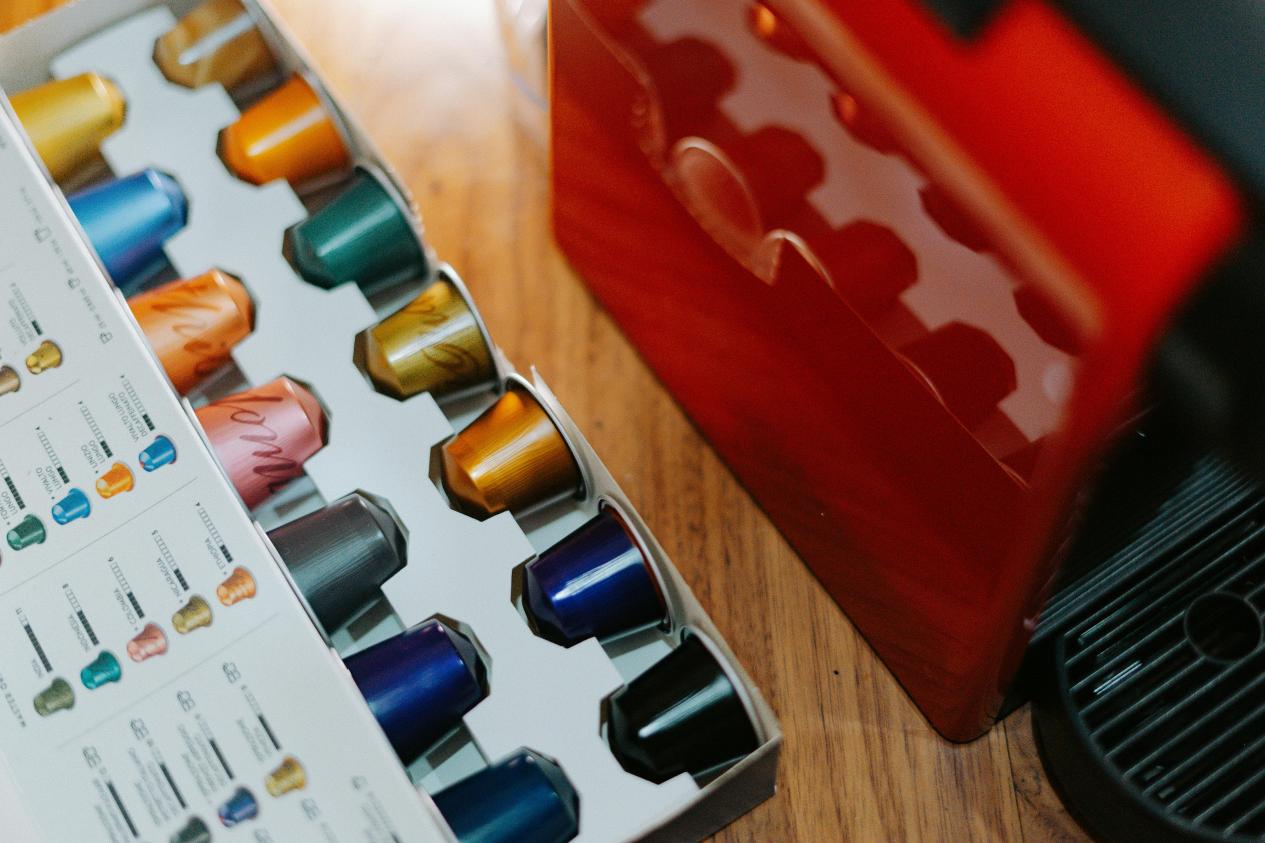
Understanding the mechanics helps clarify trade-offs. Aluminum acts as a near-perfect oxygen barrier, whereas plastic is semi-permeable (more on this below). Both materials require precise tolerances: for example, retailers note that “retail buyers… notice the weight [and] precise fit in Nespresso machines” when using aluminum. In practice, nearly all popular single-serve machines can brew coffee from either type, but manufacturers often optimize designs for one or the other (e.g. Nespresso’s original system uses aluminum pods).
Cost & Production Volume
Plastic pods are much cheaper per unit at small scale. Polypropylene resin is inexpensive, and plastic injection molds can run short batches (often as low as ~1,000 pieces) with relatively low tooling cost. By contrast, aluminum requires heavy-duty stamping presses and custom steel dies, driving up setup cost and minimum order quantities (typically tens of thousands of capsules). For a startup brand, plastic capsules let you launch small runs without huge upfront investment.
- Plastic pod molds cost as little as $2,000–5,000 per cavity, allowing low MOQs.
- Aluminum tooling can cost tens of thousands per die, often requiring 30,000–50,000 unit minimums.
As production scales up, aluminum’s higher throughput narrows the gap: at ~150,000+ units, per-capsule costs of aluminum fall significantly (roughly 5–6¢ each) and approach parity with plastic. For a one-time 50K launch, a filled aluminum pod might cost ~$0.20 apiece versus ~$0.09 for plastic. But by 500K, aluminum can drop to 5–6¢ each (due to amortized tooling and scrap recycling) – nearly the same as high-volume plastic.
In summary: if small-scale or budget-sensitive, plastic capsules are attractive for their low cost and low MOQs. If long-term scale, quality, and brand image matter, the higher initial cost of aluminum may pay off. Some coffee entrepreneurs even use “community tooling” (sharing a press run with others) to hit aluminum minima without extreme upfront cost.
Freshness & Flavor Quality
Coffee freshness is all about keeping air and moisture out. Here, material matters greatly. Aluminum provides an almost hermetic barrier – when flushed with nitrogen and sealed, aluminum’s oxygen transmission rate is effectively zero. This means oxygen (which quickly robs coffee of aroma) cannot penetrate, and light/heat ingress is also minimized. As a result, coffee in aluminum capsules can stay “on-spec” (full flavor) for over a year.
By contrast, plastic capsules allow slow oxygen seepage. Independent tests show that espresso in aluminum pods stays fresh for 12–15 months, whereas the same coffee in polypropylene pods tastes flat in roughly half that time. In practical terms, forum experts and roasters note that plastic pods tend to yield a staler cup: a coffee pod maker reported “plastic leaches oxygen at 10,000–100,000× the rate of aluminum… [so] plastic capsules generally taste stale” (industry anecdote). In other words, “trace oxygen continues to seep through [plastic pod] walls for months,” stripping away volatile oils.
If your customers brew a pod quickly after buying, the difference may be small. But any delay – inventory storage, shipping overseas, or seasonal stockpiling – widens the gap. Aluminum capsules “behave like a micro-vault” for flavor. In a blind taste, many agree that coffee from aluminum pods stays more vibrant, whereas plastic pods gradually “blur” delicate notes into generic roastiness. This consistency matters especially for specialty and single-origin coffees, where nuanced flavors differentiate your product.
(Health aside: while modern food-safe plastics are used, some consumers worry about chemical leaching from heated plastics. By comparison, aluminum pods usually have a thin inert lining and pose no known leaching risk. But the flavor and oxidation difference is the main quality driver.)
Machine Compatibility & Durability
From a machine standpoint, both pod types can work in most single-serve brewers, but there are nuances. Nespresso and Keurig machines were designed around aluminum or plastic K-Cup shells respectively, but adapters and clones exist for either material. In practice, aluminum pods tend to have tighter tolerances and a firmer seal. Many capsule makers report that plastic pods can “eventually disrupt the sealing mechanism” or require more maintenance, whereas aluminum preserves machine longevity. In other words, the heavier, more precise aluminum shell generally maintains consistent pressure and puncture sealing over time.
Compatibility note: Before choosing a material, check your target machines. Some machines (especially high-end Nespresso units) come with metal piercing needles and grate sizes expecting aluminum. Plastic pods may still brew fine, but be aware of potential fit issues. Conversely, if your customers are using reusable/filter machines or clamp-style brewers, plastic capsules might integrate easily. Regardless, most commercial fillers design their equipment to handle both types; but aluminum lines often require a separate filling and sealing process (inserting coffee and filter, then crimping metal) versus injection-molding lines for plastic.
Environmental Impact
Sustainability is a big concern for coffee packaging. Here, aluminum and plastic diverge in interesting ways:
- Recycling: Aluminum is infinitely recyclable with minimal quality loss. Used beverage can (UBC) alloy – the same as many coffee capsules – still fetches high scrap value (around USD $1,250 per ton). In practice, spent aluminum pods (if collected and smelted) can become new cans or even new pods. Plastic (#5 polypropylene), by contrast, has limited recycling outlets. Most municipal systems don’t accept small pods, and post-use PP from pods is often contaminated with grounds. “Mixed polymers fetch pennies on the dollar,” and many plastic pod programs simply landfill the material. For example, Australia still landfills ~94% of collected soft plastics.
- Waste footprint: At present, plastic pods dominate the market by volume, meaning tens of billions of pods enter waste streams yearly. Research notes figures like “40 million plastic coffee pods end up in landfills and oceans daily”. Even if labeled “recyclable,” many facilities aren’t equipped to sort and process them. Aluminum pods, if properly disposed of, avoid this fate – but only if consumers and facilities commit. Some brands (e.g. Nespresso) run take-back programs; others pair aluminum pods with TerraCycle mail-ins.
- Carbon footprint: Plastic capsule production has a lower energy cost than aluminum manufacturing, but the single-use nature and landfill leak raises concerns. A coffee industry source bluntly states: “Plastic pods are cheap, [but] they have a large carbon footprint and can cause health issues… Aluminium capsules not only have much less of an impact on our environment, but are also best at keeping coffee fresh”. (Note: “health issues” refers to general worries about plastics, but even setting that aside, the consensus is aluminum wins on eco-credentials.)
Brands today increasingly pitch capsule recyclability. Aluminum’s prestige partly comes from its circular story: it can legitimately bear an “infinitely recyclable” label. Plastic capsules’ story is muddier. Many coffee professionals now view plastic pods as an environmental liability unless their program recovers and repurposes the plastic (which is rare). In short, if environmental branding matters to your customers, aluminum is the safer choice.
(As an aside: there are also paper-based biodegradable coffee pods emerging. These appeal to eco-conscious consumers, but they have trade-offs – they tend to be more expensive than plastic, may require industrial composting, and generally do not preserve freshness as well as sealed capsules.)
Brand Image & Aesthetics
Beyond technical specs, the coffee pod packaging material sends a powerful brand signal. Aluminum capsules feel premium: they’re heavier, metallic, and often packaged with sleek designs. Think of Nespresso’s shiny pods or a boutique roaster’s anodized signature capsule. Retail buyers and corporate clients “notice the weight” and finish of aluminum pods, interpreting them as higher quality and more eco-friendly. A well-executed aluminum capsule and box can convey “artisanal” or “luxury” coffee – a powerful marketing angle.
Plastic capsules, though not considered eco-friendly coffee pods, offer strong design flexibility. They can be made in vivid colors and non-standard shapes without expensive tooling changes. Custom-colored plastic pods use off-the-shelf pigments and printed lids, keeping artwork costs low. This suits brands experimenting with fun or seasonal packaging. For example, a brand might use bright plastic pods to stand out on store shelves. But note: cheap-looking plastics can also backfire, making a blend feel less special.
When deciding, ask: does your brand story hinge on “sustainability and sophistication” or “convenience and value”? If premium positioning is key, aluminum coffee capsule packaging reinforces that image. If you want bold, playful branding with rapid product changes, plastic may win on cost and agility. Some brands mix and match – offering premium lines in aluminum and more casual blends in plastic, using packaging to differentiate tiers.
Consumer Preferences
Finally, consider what your customers care about. Today’s coffee drinkers are savvy about both taste and ethics:
- Flavor-savvy consumers often prefer aluminum capsules, believing (often correctly) that these deliver a fresher, more authentic cup. They may trust an aluminum pod to preserve the roastmaster’s intended aroma.
- Eco-conscious consumers tend to like metal or compostable coffee pods over plastic. Discarding an aluminum capsule feels more reasonable knowing that aluminum, as a sustainable coffee packaging option, can be fully recycled.Some also report feeling uneasy about heat and chemicals: studies have highlighted that heated plastics (including #5 polypropylene) can release trace compounds with potential health concerns. While food-grade #5 is generally considered safe (especially BPA-free), anxious customers may simply prefer “no plastic contact with hot water.”
- Value-driven consumers will notice price differences. If plastic capsules let you sell coffee for a few cents less per cup, that may sway budget buyers – especially in retail settings. However, savvy coffee drinkers also factor in taste; a cheaper but stale coffee risks eroding loyalty.
In surveys and forums, a recurring theme is that “once you try a coffee in aluminum versus plastic, you notice the difference” in aroma. And as one packager put it: “We were only ever going to do aluminum… we think aluminum makes a huge difference”. At the same time, many consumers now expect recyclable coffee pods or at least a take-back plan, not just convenience. Aligning your capsule choice with your audience’s values – freshness first or green first – will guide the right pick.
Final Thoughts
Both aluminum and plastic coffee capsule packaging have their place. Plastic (#5) capsules excel in cost-effectiveness and flexibility: they’re cheap to make, easy to customize, and suitable for tight startup budgets or high-rotation blends. Aluminum capsules excel in quality and image: they lock in flavor for the long haul, fit premium machine systems perfectly, and reinforce an eco-friendly, high-end brand narrative.
When choosing for your business, weigh these factors:
- Scale and budget. Small batches or strict margins may necessitate plastic pods initially. Large-scale or high-end ventures can absorb aluminum’s upfront premium.
- Freshness demands. If your beans are delicate (single-origin, microlot) or if you ship globally/seasonally, aluminum’s barrier can pay dividends in cup quality.
- Customer values. Are your buyers keen on sustainability and premium feel? Aluminum or even compostable coffee pods (on the rise) might align better. If price/value is king, plastic could suffice.
- Brand story. Aluminum pods convey sophistication and sustainability. Plastic pods convey affordability and colorfulness.
Ultimately, “the real secret to a great cup” is high-quality coffee and a reliable machine, but the capsule material is how you deliver that promise. Whether you cling to aluminum’s premium shield or plastic’s economical agility, choose the material that best protects your coffee’s quality and supports your brand’s goals.