Why Your Choice of Coffee Packaging Really Matters?
A lot of companies perceive packaging as a container to deliver roasted beans out of a plant to a kitchen table. This is a fatal business miscalculation. The truth is that your packaging is your hardest-working, no-noise salesman, communicating your overall brand identity. It is the first physical contact that a consumer will have with your brand and it predetermines the coffee quality inside even before a consumer breaks the seal.
In addition to aesthetic appeal, finding the right packaging is the direct determinant of your profit margins. When you use poor materials, the sensitive flavor compounds of your coffee will be destroyed quickly, and you will end up with a stale product, unhappy customers, and lost repeat sales. On the other hand, choosing the best coffee packaging with proper structural design and barrier technology will increase shelf life, decrease waste, and enable you to set a high price point. Your brand positioning is closely connected with your packaging strategy. Whether you are targeting the luxury boutique market or the high-volume supermarket shelves, the physical appearance of your product sends a message of your market value immediately.
Understanding Coffee Types and Their Specific Packaging Needs
In order to package coffee, you have to know the physical behavior of the coffee products you are selling. Coffee is not a homogenous commodity; its physical condition totally changes its exposure to the environment.
Whole bean coffee is a living product. The beans emit large quantities of carbon dioxide during the course of several days or even weeks after the process of roasting is completed. When closed in an airtight container and there is no way out, the packaging will swell and ultimately burst. Thus, the main need of whole beans is the structural protection and the controlled outgassing mechanism.
Ground coffee is a totally different problem. The grinding process exponentially increases the surface area that is exposed to the air. This renders ground coffee very vulnerable to oxidation, which removes the volatile aromatic compounds that provide coffee with its unique taste. In the case of ground coffee, a complete obstacle to oxygen and moisture is required, and the air in the package may need to be completely removed and replaced before sealing.
Ready-to-drink coffee is being dominated by liquid coffee and cold brew concentrates. These types of packages must be aseptically packed to avoid bacterial growth and avoid light degradation of the liquid. The materials should be totally sterile and provide total light blockage.
Instant freeze-dried coffee is highly hygroscopic, i.e. it is a sponge to moisture. Any trace of humidity that gets into the package will cause the fragile crystals to form clumps that will become an unusable solid block. The most crucial aspect when dealing with this type of product is absolute moisture barrier properties.
A Deep Dive into Coffee Packaging Types
The choice of coffee packaging is a balancing process that is strategic in terms of visual appeal, efficiency in production, and cost of materials. We can divide the most feasible business opportunities into three fundamental groups depending on material and application:
Flexible Packaging Bags
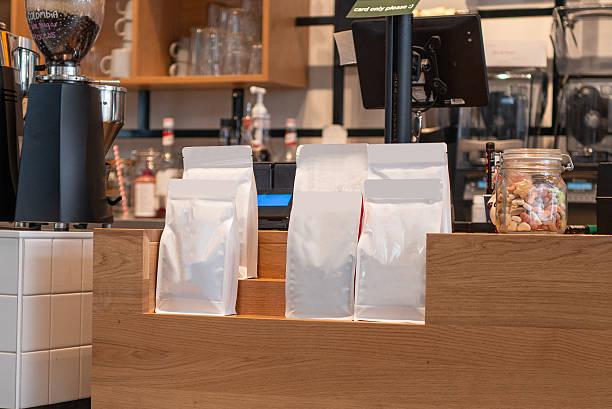
The reason why flexible packaging is the industry standard is because it is cost-effective and has a wide printing canvas. The physical variations of the types of bags directly determine their shelf space and capacity usage:
Stand-up Pouches (Doypacks): Stand upright on the shelf due to a rounded bottom gusset, offering moderate internal capacity and a broad visual display space on both the front and back. They are the most mainstream and dependable option of 250g to 500g retail specialty coffee beans since they are very cost-effective to manufacture.
Flat Bottom Bags (Box Pouches): Appear visually as the solid, squared-off shape of a classic paper box, with the ability to brand all four sides with a high-end brand. They are also characterized by outstanding capacity utilization, which means that they can fit more coffee into a smaller area, and they are a potent weapon of high-end roasters aiming to take over retail shelf space.
Side Gusset Bags: Have huge expansion potential due to their foldable side panels, and are the traditional design of bulk bags over 1kg or commercial wholesale beans. Their disadvantage however is that they will slump on the shelf when not full packed and are infamously hard to reseal perfectly by the consumer thus affecting freshness.
Quad Seal Bags: Ideally address the problem of side gusset bag slumping. They make sharp, sharp edges by reinforcing and sealing all four corners. They have a perfect, three dimensional structure even when loaded with heavy loads and provide high capacity with a very professional and strict brand image.
Vacuum Bricks: This is a technique to maximize the use of internal space by applying a powerful vacuum to squeeze the soft bag into a hard and brick-like shape. This reduces the packaging footprint as well as greatly increases the shelf life of the coffee grounds, making it the industry standard of commercial grade ground coffee.
Pillow Packs: The final trade-off in terms of cost. They are flat and practically have no shelf presence. Nevertheless, their lowest possible manufacturing prices and extremely high-speed sealing make them the unquestioned option when it comes to hotel amenity fraction packs, single-brew doses, or bulk wholesale distribution.
Rigid Containers
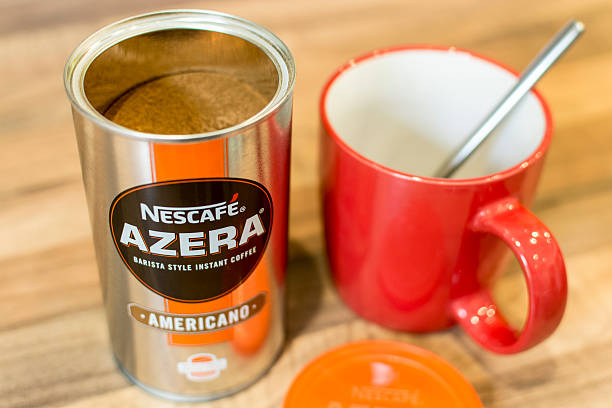
Rigid containers exchange the logistical benefits of lightweight packaging with an entirely new consumer experience: one of permanence and ultimate product protection:
Metal Tins: This is the final shield of your coffee, which keeps out all light and oxygen. Their dense, weighty feel naturally suggests luxury, and a substantial brand premium can be charged that is ideal in holiday gift sets or in ultra-premium beans. Their high initial purchase prices and horrible space utilization when transporting empty tins will however contribute greatly to the increase in logistical costs.
Composite Canisters: Offer a brilliant compromise between high-end feel and price. They are made of a rigid paperboard cylinder, lined with an inner foil, and are significantly lighter than metal tins. Their unique cylindrical form is a standout among a crowd of pliable bags, with a fantastic unboxing experience that is perfect with specialty blends or limited-edition releases.
Glass Jars: Glass jars will always be the undisputed leader in instant coffee because of their high moisture protection that is essential in powders that are likely to clump. The entirely transparent visual experience sends a traditional, reliable brand image, but the threat of breakage and the weight of shipping are significant pain points that should be considered in your logistics model.
Single-Serve Solutions
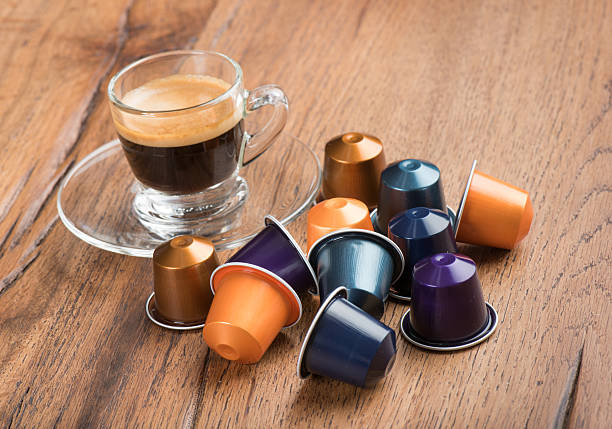
Single-serve formats are transforming the contemporary coffee consumption behavior, which is motivated by the desire to have the ultimate convenience, with an emphasis on the ability to control the portion and a zero-barrier experience:
Coffee Capsules: Have transformed the domestic and office market by offering customers a controlled amount of dose and an ideal extraction each time. Although they demand very specialized filling equipment, they dominate high-frequency consumption. The shift to compostable materials has become an urgent trend that brands in this industry need to follow to address the environmental issues.
Drip Coffee Bags (Hanging Ear): Innovatively downsize the pour-over experience. The consumers are able to experience the process of a manual pour-over without the use of any special equipment. The technical obstacle in this case is the accuracy with which nitrogen flushing should be done in the outer wrapper to ensure that the ground coffee is completely fresh. This is exactly what the travelers, boutique hotels and professionals who want high quality portability are looking at.
Coffee Steeping Bags: This is based on the same principle as high-quality tea bags, but it uses a simple immersion brew. This no-barrier interaction is a fast-growing trend that is aimed at capturing non-specialty coffee drinkers or entry-level consumers.
Stick Packs: Reduce the size of the packaging to the bare minimum with extremely thin films. Not only does this format reduce material costs, but also combines with high-speed production lines to stagger production, making it the final option in maximizing commercial efficiency with instant coffee or 3-in-1 mixes.
Must-Have Features to Ensure Maximum Coffee Freshness
The fundamental purpose of your packaging is to shield the fragile flavor profile of the coffee and the preservation technology you need is solely dependent on the format you are using.
In the case of flexible packaging bags containing freshly roasted whole beans, it is of paramount importance to incorporate a one-way degassing valve. This part enables the carbon dioxide that is naturally released to escape without admitting ambient oxygen, which causes bags to burst on the shelf. In the case of ground coffee, the industry standard is Vacuum Brick technology; the physical removal of air to squeeze the bag into a hard, dense form removes all the internal oxygen and makes shipping as efficient as possible. Strong resealable closures such as pocket zippers or tin ties are necessary to prevent degradation once the consumer has made the first brew. The packaging material should also include metallized internal layers or aluminum foils to prevent the UV light to destroy the essential oils in the beans.
Hardened containers such as metal tins and composite canisters are based on the creation of an impeccable physical barrier. The main technology in this case is a hermetic induction seal that is used under the lid to ensure that moisture and oxygen are completely locked out during transit, which is particularly crucial in ensuring that instant coffee does not clump. To preserve the goods in the long term, it is recommended to draw a hard vacuum prior to sealing in case of premium grounds. Nevertheless, brands have to consider the fact that once the seal is broken, the fixed container volume entraps ambient oxygen within the product, and the consumer must consume the product quickly to preserve optimal flavor.
Capsules and drip bags are the most susceptible to oxidation because the surface area of finely ground coffee is enormous. Thus, the non-negotiable core technology is precision nitrogen flushing. Replacing ambient oxygen with food grade nitrogen within milliseconds before sealing increases the shelf life of food by days to more than a year. This should be accompanied by high-barrier lidding films that are designed with special EVOH layers to ensure that the trapped nitrogen does not leak out with time.
How to Design Your Packaging to be a Shelf Star?
To win the visual battle in a crowded retail shelf, one must have a strategic approach. You have to employ design concepts that will unconsciously lead the consumer to your product.
The psychology of color is huge in consumer expectations. Dark, rich blacks, dark browns and metallic golds are all intuitively communicating a dark, heavy, traditional roast profile. On the other hand, the use of bright, saturated colors, pastel colors, or plain minimalistic white backgrounds informs the buyer that they are dealing with a modern, light-roasted, possibly fruity or very acidic specialty coffee. Make sure that your color scheme is in line with the coffee tasting notes.
Tactile design is often underestimated and yet extremely potent. When a customer picks your bag, the physical feel will affect their perception of value. The use of matte finish films, spot gloss varnishes to emphasize certain logos, or soft-touch materials can make the package look like more than a mere container and a high-quality touch. Embossing of rigid tins or composite cans provides an extra touch of class that warrants a higher retail price.
The new frontier of packaging design is digitalization. Physical real estate is scarce, whereas the combination of clean and scannable QR codes connects the physical and digital worlds. You can take consumers to an immersive digital experience, where the beans were grown on the farm, how you roast them in a video, or give them the exact brewing parameters. This openness creates strong brand loyalty without overloading your physical design.
Sustainable Materials: Balancing Eco-Friendliness with Performance
Consumers and regulatory bodies are putting a lot of pressure on the coffee industry to minimize packaging waste. Nevertheless, the process of switching to sustainable materials is a complicated balancing act because you cannot lose the barrier properties that preserve the coffee fresh.
Recyclable materials are increasingly becoming common, usually mono-material plastics such as pure PE (Polyethylene). The traditional coffee bags are made of mixed laminates (plastic bonded to foil), which cannot be recycled in a normal way. A transition to a mono-material enables the bag to be recycled, although it may need thicker films to provide the same oxygen barrier as a foil layer.
Environmentally conscious brands are very interested in compostable packaging. These substances decompose to organic matter. But it is essential to speak to your customers in a clear way. Most materials can only be industrially compostable, i.e. they need the high temperature of a commercial facility to decompose, and will not decompose in a typical backyard compost pile.
You also have to keep up with new tough packaging laws. The world is witnessing the implementation of Extended Producer Responsibility laws that make manufacturers responsible financially to dispose of their packaging at the end of life. The decision to use lighter, highly recyclable, or certified compostable materials is not only a marketing strategy but also a required measure to reduce future regulatory taxation.
Comparison of Cost and ROI of Various Types of Packaging
In order to make a good business decision, you need to study packaging not only as a cost of operation, but as a strategic investment that can be realized. The lowest price may save you a penny per unit in the procurement process, but it will cost you a thousand times in brand equity, heavy shipping, or damaged inventory.
The following is a detailed financial analysis of the packaging formats that we have already discussed to enable you to maximize your return on investment (ROI).
Packaging Format | Initial Unit Cost | High-Speed Filling Efficiency | Logistics & Spoilage Risk | Brand Premium Potential |
Stand-up Pouches | Low | High | Excellent (Lightweight, low spoilage) | Moderate |
Flat Bottom Bags | Moderate | High | Excellent (Maximum space utilization) | High |
Side Gusset / Quad Seal | Low to Moderate | High | Good (Side gussets risk slumping/staling) | Moderate to High |
Vacuum Bricks | Low to Moderate | High | Excellent (Ultimate space efficiency & shelf life) | Low to Moderate |
Pillow Packs | Very Low | Ultra-High | Excellent (High volume packing) | Low |
Metal Tins / Glass Jars | High | Moderate | Poor (Heavy, fragile, ships empty) | Very High |
Composite Canisters | Moderate to High | Moderate | Fair (Lighter than metal/glass) | High |
Coffee Capsules | Low (Per unit) | High (Requires specialized machinery) | Excellent (Protects fragile grounds perfectly) | Exceptionally High |
Drip Bags (Hanging Ear) | Moderate | Moderate to High | Excellent (Compact and lightweight) | High |
Stick Packs | Very Low | Ultra-High | Excellent (Minimal footprint) | Moderate |
In pure terms of the data, your packaging decision should be in line with your profit margins and volume of production. These metrics can be converted into commercial strategy in the following way.
In the case of high-margin specialty roasts, flat bottom bags are easily justified by their moderate initial price through the provision of superior brand premium and retail shelf value. Stand-up pouches, on the other hand, maintain low initial cost and are the most efficient automated fillers, and are the best fit in high-volume mass-market retail. In the case of commercial grade ground coffee, Vacuum Bricks take advantage of high filling efficiency and low startup costs to maximize ROI, in particular in long-distance logistics where their high space efficiency and long shelf life give them a substantial financial benefit. Side gusset and quad seal bags are the ideal financial solution when scaling up to B2B wholesale because they offer a balance between low cost and large capacity filling. In case you are just interested in maximum output, pillow packs are ultra-low-cost and blistering fast, but their aesthetic inferiority limits them to hotel fractional packs or pure volume plays.
Although metal tins and glass jars can be marked up the most, they are too heavy and too fragile to be kind to your logistics budget. Composite canisters provide a more intelligent compromise, saving a lot of money in freight, but still providing a luxury unboxing experience.
Lastly, single-serve capsules produce the greatest ROI in the industry. The unit cost of materials is low, even though the CapEx needed to install specialized filling equipment is high. Brands can sell a colossal amount of coffee at a huge premium by selling absolute convenience. The margin expansion is high provided that you possess the right equipment to carry it out effectively. Capsules and drip bags are the formats that provide unmatched margin growth and profitability in the long run to roasters who are ready to invest in the appropriate packaging equipment.
Why Global Roasters Trust Saneu for Advanced Packaging Solutions?
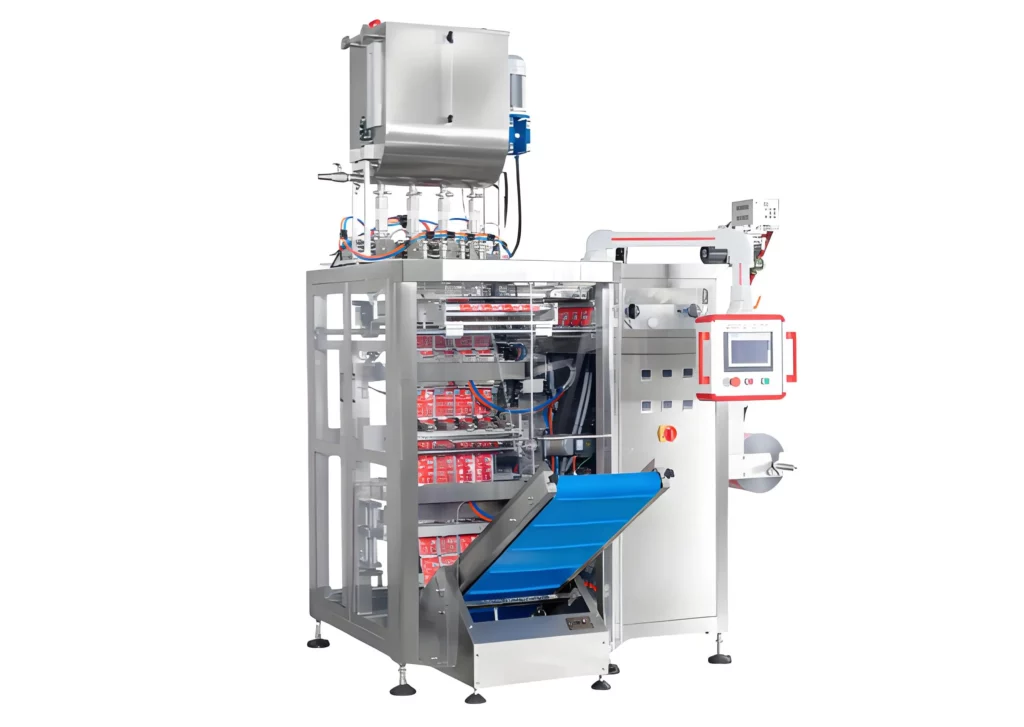
Effective coffee packaging can only be as dependable as the equipment. Since 2013, Saneu has enabled roasters in more than 30 countries to grow their business by offering the best equipment at a 30 percent lower price than the industry counterparts.
You are introducing K-Cup, Nespresso, or Dolce Gasto compatible pods, or you are increasing your production with VFFS and Canning lines, our technology will guarantee the integrity of your product. The industry standard of nitrogen flushing is 99.5, but the rotary capsule machines of Saneu have reached 99.9 percent of nitrogen content, pushing the remaining oxygen to almost zero to preserve aroma and freshness.
The secret of safeguarding your margins is precision. Through the application of Schneider servo systems and the best components of Siemens and Omron, we ensure that the filling accuracy variance is less than 0.1g. Our systems are also compatible with sustainable materials, such as biodegradable and compostable films, so your brand remains environmentally trendy.
Supported by CE, RoHS and ISO certifications, all Saneu machines are subjected to strict performance validation. We offer the peace of mind with 2-year warranty, free spare parts, and lifetime technical support, and offer high-quality performance at a low cost.
Expert Tips to Select the Best Packaging for You
In order to assist you in making the most informed commercial decision depending on your particular business situation, sales channel and product format, consult the following rapid decision matrix:
Primary Driver | Business Characteristics | Recommended Packaging Type |
Scale & Budget | Boutique Roaster / Startup (Limited CapEx) | Stand-up Pouches or Flat Bottom Bags |
Industrial Factory (High CapEx / Automation) | Coffee Capsules, Drip Coffee Bags, or Stick Packs | |
Sales Channel | E-commerce / Direct Shipping | Flat Bottom Bags or Quad Seal Bags (Structural durability) |
Supermarket / Retail Shelves | Vacuum Bricks or Quad Seal Bags (Maximum shelf space efficiency) | |
Product Form | Whole Beans | Stand-up Pouches, Flat Bottom Bags, or Side Gusset Bags (Must include degassing valves) |
Ground / Instant Powder | Coffee Capsules, Stick Packs, or Metal Tins (Superior airtight barrier) | |
Liquid / Cold Brew | Aluminum Cans or Bag-in-Box (BIB) | |
Strategic Goal | Maximum Brand Premium & Gifting | Metal Tins or Composite Canisters |
Maximum Production Speed & Volume | Pillow Packs or Stick Packs |
Conclusion
The packaging of your coffee is the connection between your roasting mastery and the morning routine of your customer. It is a complicated crossroads of structural engineering, brand marketing, and commercial strategy. With the knowledge of the particular requirements of your coffee format, the adoption of the technology necessary to maintain freshness, and the collaboration with strong equipment manufacturers to expand your production in a consistent manner, you transform a plain container into a potent engine of business development. Assess your market, invest in the appropriate materials and machinery and leave your packaging to work as hard as you do to sell your coffee.
FAQS
Q: How do we most often package coffee?
A: The most popular are flexible packaging bags, namely Stand-up Pouches (Doypacks) and Side Gusset Bags, as they provide a cost-efficient combination of high-speed production, high barrier protection, and efficient shipping.
Q: Which kind of container should be used to store coffee?
A: The best are airtight containers with one-way degassing valves and opaque walls (such as metal tins or high-barrier flat-bottom bags), which offer a complete barrier to oxygen, moisture, and UV light to preserve volatile aromatics.
Q: What are small packets of coffee?
A: These are generally referred to as single-serve solutions, which consist of Stick Packs of instant coffee, Drip Coffee Bags (Hanging Ear Bags) of pour-overs, and Coffee Capsules or Pods of machine brewing.
Q: What is the most sustainable coffee packaging?
A: The most sustainable alternatives are mono-material recyclable PE bags or certified compostable pouches, which reduce the waste in landfills, but also offer the required oxygen barriers to avoid spoilage of products.