Introduction
Entering the instant coffee market or upgrading an existing production line is a high-stakes engineering endeavor. Unlike whole bean or densely roasted ground coffee, instant coffee powder and freeze-dried granules are highly volatile products that demand an uncompromising packaging environment. Manufacturers face a constant battle against moisture ingress, oxygen exposure, and production bottlenecks that can decimate profit margins if not properly managed. This comprehensive B2B guide is designed for plant managers, coffee brand owners, and OEM facility directors who need to look beyond basic machinery brochures. We will dissect the exact barrier film sciences required to guarantee shelf life, explore the critical differences in volumetric versus auger filling mechanisms, and reveal the hidden operational costs that slowly drain your return on investment. By understanding the precise alignment between your packaging format, material science, and automated machinery, you can build a resilient production line that eliminates product waste and secures your market position.
Why Is Instant Coffee So Difficult to Package?
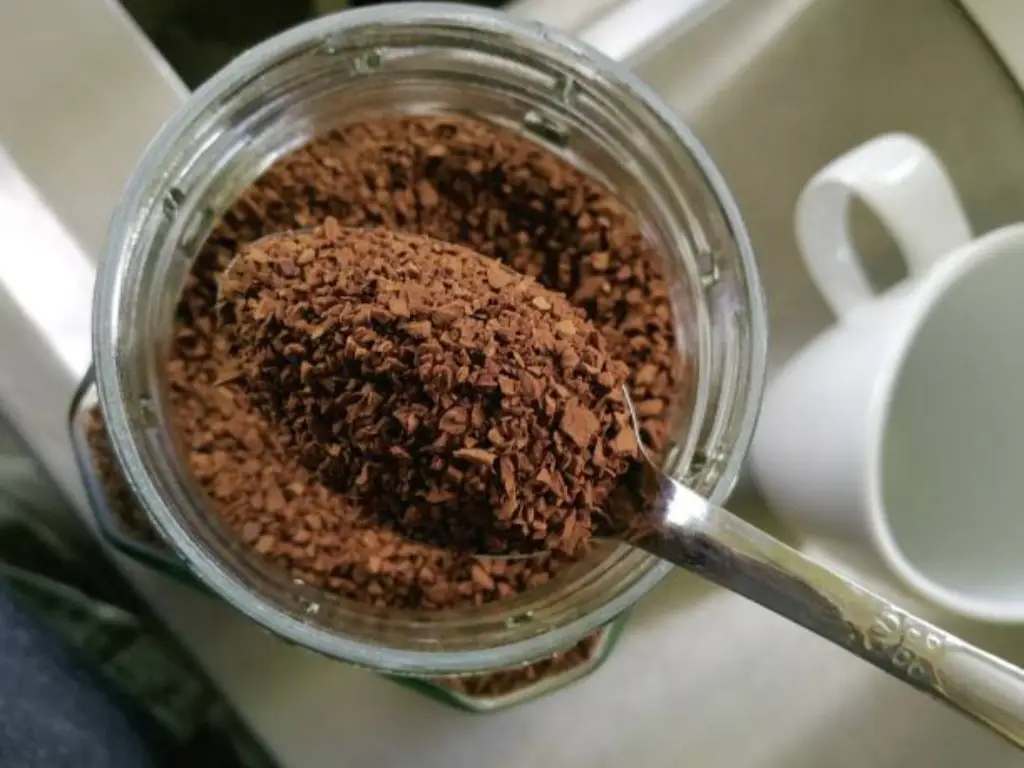
The core challenge of instant coffee packaging lies in its extreme physical properties. Whether you are dealing with spray-dried fine powder or premium freeze-dried granules, the product is inherently hygroscopic. This means the material acts like an aggressively thirsty sponge, actively pulling moisture from the surrounding ambient air the moment it is exposed. According to food packaging science parameters, if the relative humidity in your production facility or inside the micro-environment of the package exceeds the forty percent threshold, the exposed coffee begins to degrade irreversibly within a matter of hours.
This rapid degradation leads to two catastrophic industry phenomenons known as caking and staling. Caking occurs when moisture binds the loose powder or granules into a solid, impenetrable brick that consumers cannot dissolve, completely ruining the user experience. Staling is the rapid oxidation process that strips the coffee of its volatile aromatic compounds, leaving a flat and acidic taste profile. Packaging, therefore, is far more than a logistical container; it is the vital life-support system for your product. A failure in the barrier film or a microscopic leak in the seal does not just mean a ruined batch on the factory floor, it translates directly into social media backlash and long-term brand damage when the consumer opens a compromised product.
Popular Packaging Formats Consumers Actually Want
Selecting the right packaging format is not merely a factory-level decision; it requires reverse-engineering from consumer behavior and retail expectations. Your chosen format directly dictates the type of machinery you must procure and influences the entire logistical supply chain. Below is a comprehensive analysis of the prevailing formats dominating the global instant coffee market.
| Packaging Format | Consumer Application | Standard Capacity | Production & Logistics Impact |
|---|---|---|---|
| Stick Packs | On-the-go convenience, office pantries, hotels | 2g to 3g for black coffee, 15g to 25g for premixes | Extremely high production throughput. Saves approximately thirty percent in flexible film material compared to traditional four-side seal sachets. |
| Premade Pouches (Doypack) | Household refills, economical family sizes | 100g to 500g | Highly lightweight for shipping, drastically reducing freight costs. Requires versatile form fill seal machinery or premade pouch handling lines. |
| Glass and PET Jars | Premium household display, bulk storage | 50g to 250g | Heavy logistics weight and higher breakage risk. Absolutely requires secondary induction sealing with aluminum foil to guarantee long-term airtightness. |
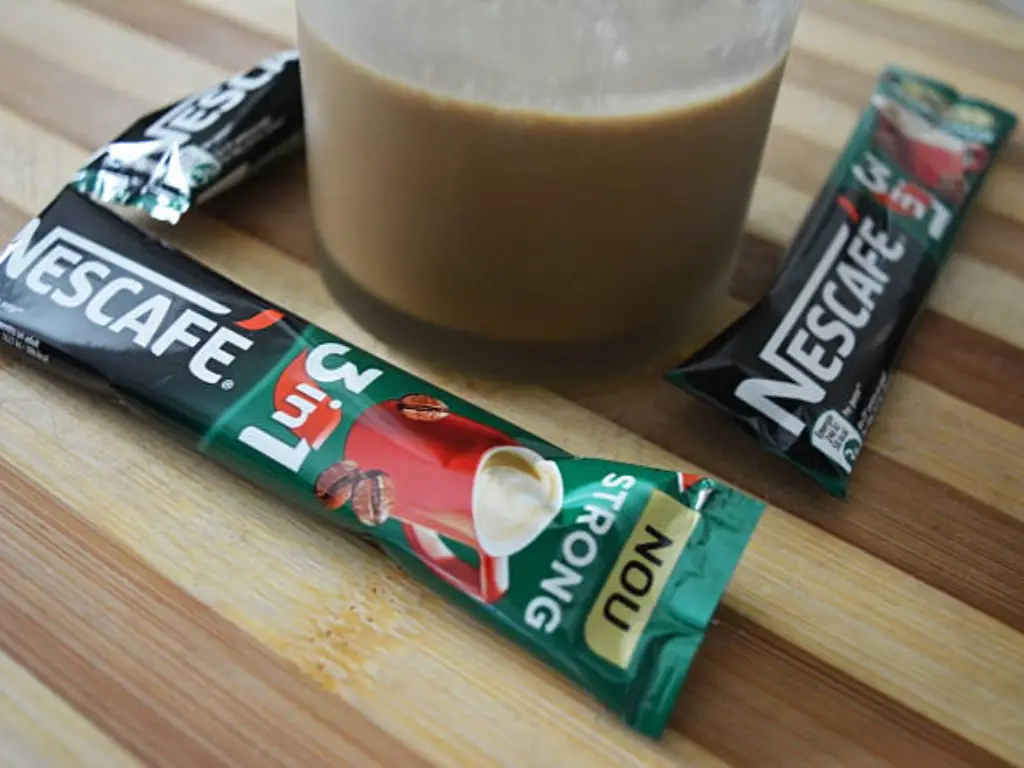
Consider the logistics math when distributing these products. Shipping two hundred grams of coffee in a solid glass jar involves moving significantly more dead weight and packaging volume compared to a flexible stand-up pouch. However, glass conveys a premium visual weight on the retail shelf. Conversely, for the younger, fast-paced demographic, the single-handed tear-and-pour convenience of a lightweight stick pack (a premium format made globally recognizable by Starbucks VIA instant coffee packaging) remains commercially unmatched, which is why multi-lane stick pack output continues to dominate global production expansions.
Invisible Shields: Picking the Right Barrier Films
To completely prevent the caking and staling disasters mentioned earlier, manufacturers must carefully select the right instant coffee packaging material, specifically investing in advanced flexible barrier films. The efficiency of these films is measured by two critical industrial metrics: the water vapor transmission rate and the oxygen transmission rate. Understanding how different laminate structures affect these rates is essential for procurement.
Aluminum Foil Laminates
True aluminum foil composites, typically structured as PET, AL, and PE layers, remain the absolute gold standard for coffee preservation. You can visualize this composite film as a microscopic sandwich armor protecting the coffee. The outer polyethylene terephthalate layer provides a smooth surface for high-quality printing and possesses the tensile strength required to withstand the aggressive pulling mechanics of packaging machinery. The core pure aluminum layer acts as an impenetrable wall, driving both moisture and oxygen transmission rates down to near absolute zero. Finally, the inner polyethylene layer melts precisely upon contact with the heated sealing jaws, fusing the bag permanently shut. For premium freeze-dried coffee intended for long international shipping routes, this three-layer defense is non-negotiable.
Metalized PET and Clear EVOH
Manufacturers looking to reduce costs often turn to metalized PET films, which feature a microscopic vapor-deposited layer of aluminum atoms rather than a solid sheet of foil. While it mimics the metallic appearance of true foil and provides moderate protection, it has a fatal flaw in high-speed production. When the packaging machine folds and creases the metalized film rapidly, microscopic pinholes can easily form along the folding lines, causing the barrier integrity to plummet. It is highly advised not to risk the shelf life of premium coffee just to save fractions of a cent on flexible film.
However, the packaging industry is currently experiencing a massive shift toward sustainable, aluminum-free materials driven by European recycling regulations. Much like the industry praise garnered by Mount Hagen instant coffee eco-friendly packaging, modern brands are increasingly seeking fully recyclable solutions without compromising shelf life. This is where clear EVOH comes into play. Ethylene vinyl alcohol is an advanced polymer that provides exceptionally high oxygen barrier properties without the use of metal. Using EVOH co-extruded films allows brands to design transparent windows on their pouches to visually showcase the premium freeze-dried granules to consumers, all while maintaining rigorous shelf-life standards and ensuring the packaging remains fully recyclable in modern waste streams.
Which Packaging Machine Fits Your Production Line?
Procuring an instant coffee packaging machine should be driven entirely by your specific output requirements and the physical morphology of your coffee product. To help factory managers navigate the complex world of automation scaling, we have developed a clear capacity alignment matrix based on industry standards.
| Target Daily Output (8-Hour Shift) | Recommended Machine Type | Optimal Packaging Format |
|---|---|---|
| 10,000 to 30,000 Units | Single or Dual-Lane Vertical Machines | Standard Sachets or Small Stick Packs |
| 50,000 to 120,000 Units | Four to Six-Lane Multi-Lane Machines | High-Volume Stick Packs |
| 150,000+ Units | Multiple Parallel High-Speed Automated Lines | Mass Market Stick Packs or Continuous Motion Pouches |
Multi-Lane Machines for Stick Packs
For operations focused on single-serve convenience, multi-lane stick pack machines are the undisputed heavy lifters of the factory floor. There is a direct mathematical correlation between the number of lanes a machine possesses and its total capacity. A high-quality single lane typically operates at speeds of forty to sixty bags per minute. Therefore, if your contract demands a daily output of one hundred thousand stick packs, basic capacity planning indicates you will need at least a six-lane machine to comfortably meet this target within a standard eight-hour shift without pushing the mechanics to their breaking point.
VFFS and Auger Fillers for Pouches
Vertical form fill seal machinery handles everything from medium-sized pouches to large bulk bags. However, the most critical engineering decision here is the dosing system, which must be strictly dictated by your coffee’s physical state. A severe and common industry mistake is mismatching the filler to the product. If you are packaging spray-dried fine coffee powder, you must use a servo-driven auger filler. The servo motor ensures the metal screw rotates an exact, programmable number of degrees, dropping the precise gram weight regardless of factory air pressure fluctuations. Conversely, if you are packaging premium freeze-dried coffee granules, you must never use an auger. The grinding action of the metal screw will violently crush the expensive granules back into dust, ruining the product’s instant solubility and visual appeal. Freeze-dried granules strictly require a gentle volumetric cup filler or a multi-head weigher.
The Saneu Advantage: VFFS Precision and Flexibility
Top-tier production facilities require machinery that can adapt to changing product lines without massive downtime. This is why leading coffee co-packers rely on the Saneu VFFS-520 series. Engineered for ultimate versatility, it features industry-leading tool-free changeover designs, allowing your operators to seamlessly switch between auger fillers for fine powders and volumetric cups for delicate granules in a matter of minutes. Equipped with world-class Siemens and Schneider electrical components, Saneu guarantees that your dosing accuracy remains an industry benchmark, virtually eliminating product giveaway and maximizing your raw material yield. Discover how Saneu can optimize your plant efficiency at Saneu Contact Us.
Automated Canning Lines (Glass, PET, Tin)
When elevating your instant coffee into the premium bulk retail tier, automated canning lines become essential. A complete line seamlessly integrates unscrambling, precise filling, and robust capping. The operational hazard in canning is micro-leaks around the rim, which can silently destroy an entire batch of expensive freeze-dried coffee before it reaches the distributor.
The Saneu Advantage: Heavy-Duty Canning Solutions
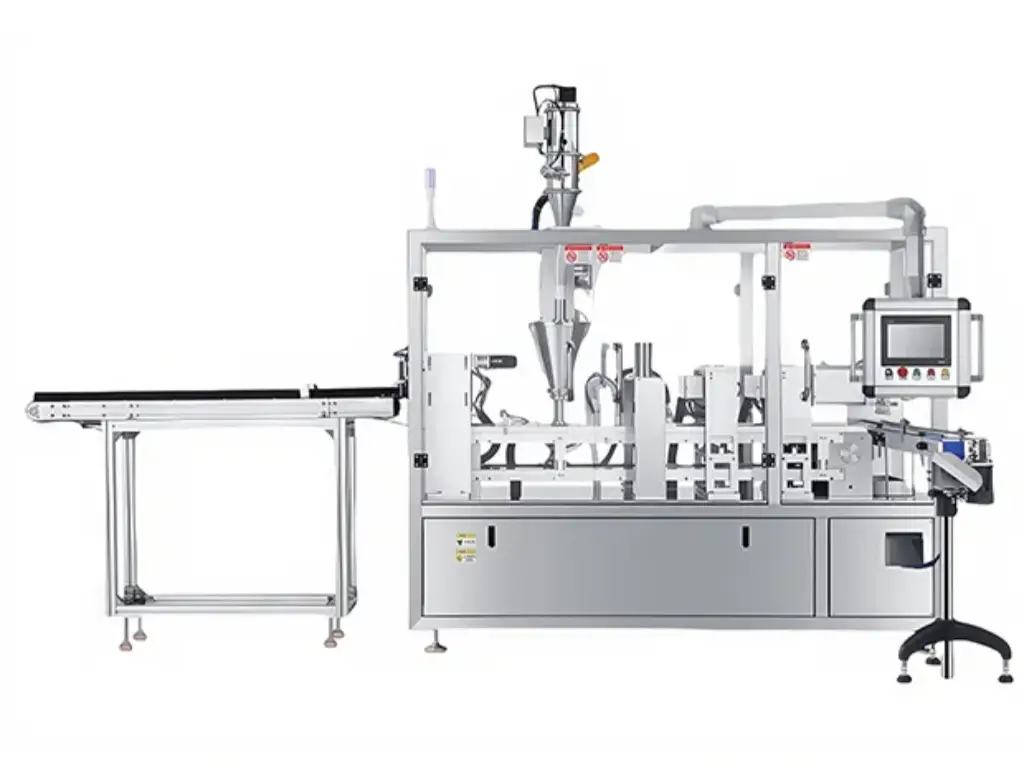
High-end canning lines demand extreme durability and absolute sealing perfection. Saneu’s automated canning solutions are built for relentless industrial environments. By utilizing high-grade bearings rated for up to five years of continuous operation and premium sealing rollers engineered to process over one hundred million cans in their lifecycle, Saneu eliminates the mechanical fatigue that plagues cheaper alternatives. Combined with their flawless double-protection process involving both physical capping and secondary induction sealing, Saneu ensures every jar of your premium coffee achieves absolute airtightness.
The Dust Problem: Why Your Seals Keep Leaking
One of the most insidious and rarely discussed issues in coffee packaging is the generation of static electricity and the resulting dust contamination. As freeze-dried granules or fine powders drop rapidly through the stainless steel forming tubes, the friction generates an intense static charge. This causes fine coffee dust to act like a magnet, clinging aggressively to the inner walls of the flexible film right exactly where the heated seal jaws need to close and fuse the plastic.
You can visualize the sealing process like closing a zipper on a jacket. If the teeth of the zipper are filled with sand, the zipper will inevitably fail and burst open under stress. Similarly, coffee dust trapped in the sealing area prevents the polyethylene from melting uniformly, creating microscopic channels that allow oxygen to slowly infiltrate the package over weeks. To combat this industrial disaster, advanced packaging machinery must be equipped with active vacuum dust collection nozzles near the discharge zone and heavy-duty static eliminator bars. These invisible components are the true heart of a high-yield production line, preventing widespread batch spoilage and costly retailer rejections.
Locking in the Aroma with Nitrogen Flushing
Modified atmosphere packaging is an exact science focused on eradicating oxygen from the internal package environment to halt oxidation and preserve the volatile aromatic compounds of the coffee. However, buyers must understand that the physical limitations of your chosen packaging machine dictate the maximum purity of nitrogen retention you can achieve.
For open-structure vertical machinery like multi-lane stick pack machines or standard VFFS equipment, the only viable method is continuous gas flushing. In this process, nitrogen is blown constantly down into the forming tube alongside the falling coffee powder. While effective at reducing ambient air, the open nature of the tube means a small percentage of oxygen will always mix back in, placing a hard physical ceiling on the purity level. Conversely, when utilizing automated canning lines or rotary premade pouch machines, manufacturers can deploy an advanced vacuum-purge system. This mechanism first creates a hard physical vacuum, entirely sucking out the ambient air before forcefully injecting high-purity nitrogen. This superior method effectively pushes residual oxygen levels down to an astonishing one percent or less, ensuring that your premium coffee retains its freshly processed aroma for twelve to eighteen months on the retail shelf.
Let’s Talk Money: Cost, ROI, and Upgrading Your Line
When B2B buyers and plant owners evaluate new packaging automation, there is a dangerous tendency to fixate solely on the upfront capital expenditure of the machinery while completely ignoring the ongoing operational expenses that dictate true profitability. The silent killers of packaging ROI are material waste, machine downtime, and labor inefficiencies.
Consider the raw mathematics of an underperforming production line. If you purchase a budget machine that suffers from frequent sealing errors or inaccurate auger dosing, you might experience a three percent material waste rate. If your factory outputs one hundred thousand units a day, a three percent failure rate means you are throwing away three thousand bags of expensive coffee and composite film into the scrap bin every single shift. Over the course of a single operational year, the financial bleeding from that wasted raw material is often enough to have purchased two top-tier, fully automated packaging machines. A world-class automated production line must reliably keep material waste strictly under one percent, transforming machinery procurement from a sunk cost into a highly protective profit generation strategy.
Conclusion to Your Packaging Strategy
Mastering the intricacies of instant coffee packaging requires a holistic approach that seamlessly integrates material science, mechanical engineering, and rigorous operational cost analysis. From selecting the appropriate high-barrier EVOH or aluminum foil laminates to ensuring your filling mechanism perfectly matches the physical morphology of your coffee, every decision directly impacts your brand’s longevity on the retail shelf. Overlooking the dangers of static dust or compromising on vacuum-purge nitrogen technologies will inevitably lead to product degradation and severe financial leakage. By partnering with robust, high-precision equipment manufacturers, you secure not just a machine, but a reliable operational fortress that protects product quality and maximizes your return on investment in a fiercely competitive global market.