For millions of coffee drinkers around the globe, the morning routine is defined by a single familiar sound: the mechanical puncture and subsequent hum of a single-serve coffee machine. The convenience is undeniably addictive, offering a perfect cup in mere seconds without any messy cleanup. However, as you stand in the grocery store aisle looking at the checkout receipt, a lingering question often surfaces. The cost of maintaining this daily habit seems disproportionately high compared to traditional brewing methods. You might find yourself staring at a small box of plastic capsules wondering how such a tiny amount of coffee can demand such a premium price. The reality of the single-serve coffee market is a fascinating blend of extreme micro-engineering, locked-in corporate ecosystems, and complex supply chain economics. By breaking down the true cost of these capsules, you will discover exactly what you are paying for and how to strategically lower your daily brewing expenses without sacrificing the convenience you have come to rely on.
The $50/lb Coffee Trap: Are K-Cups Really a Rip-Off?
To truly understand the economics of your morning cup, we must translate the price of a single pod into a metric that allows for an accurate comparison with traditional whole bean coffee. The feeling of paying too much is not an illusion; it is a mathematical certainty rooted in the industry standard specifications of single-serve capsules. People rarely calculate the per-pound cost of their grocery items when they are neatly divided into micro-portions, which is exactly how the single-serve industry masks its premium pricing.
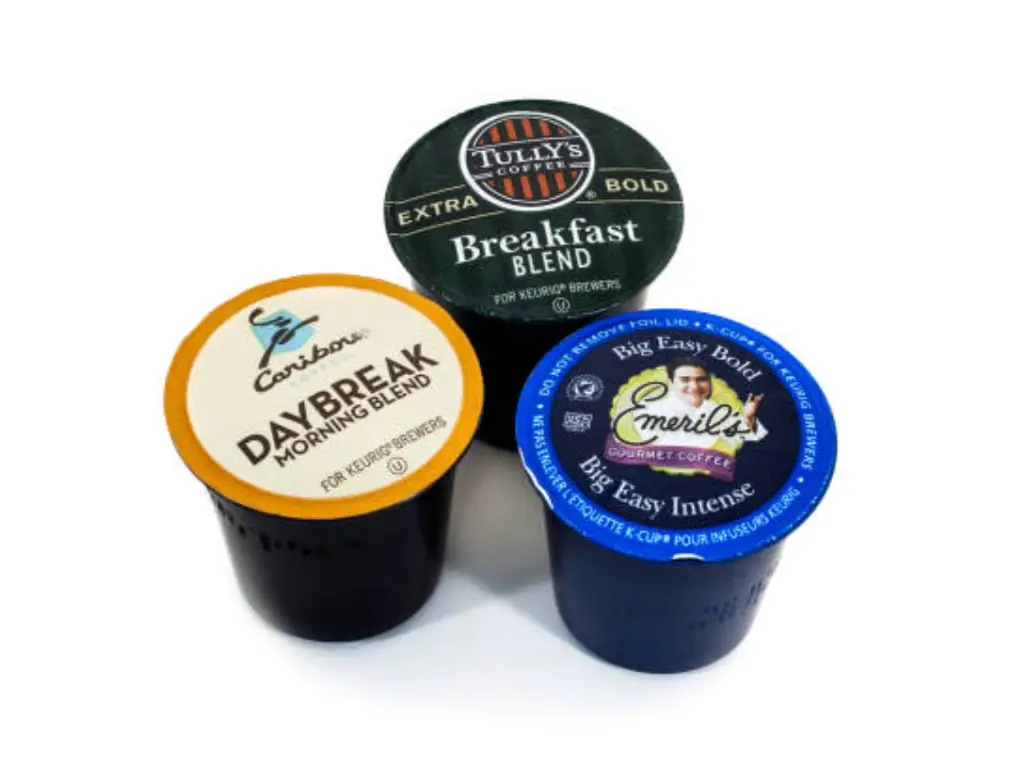
A standard single-serve capsule contains roughly ten to eleven grams of ground coffee. Since one pound equals approximately four hundred and fifty-three grams, it takes about forty-one to forty-five capsules to accumulate a single pound of coffee grounds. If an average capsule retails for seventy cents, multiplying that by forty-five yields a staggering price of thirty-one dollars and fifty cents per pound. For specialized roasts or flavored varieties, this metric easily escalates to forty or fifty dollars per pound.
When you contrast this mathematical reality with the traditional coffee market, the disparity becomes glaringly obvious. You can visit a high-end local specialty roaster and purchase a pound of meticulously sourced, freshly roasted whole beans for anywhere between fifteen and twenty dollars. Buying coffee in single-serve pods is essentially the equivalent of purchasing a premium whole turkey, having the butcher slice it into paper-thin portions, placing those portions into individual plastic blind boxes, and charging you by the gram at an astronomical markup. The coffee alone simply cannot justify this price discrepancy.
Why the Coffee Inside Doesn’t Explain the Price
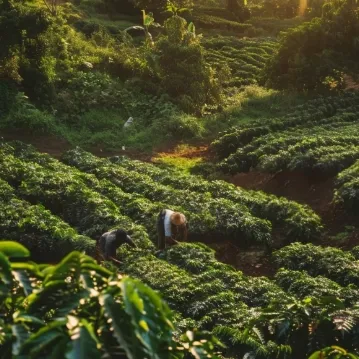
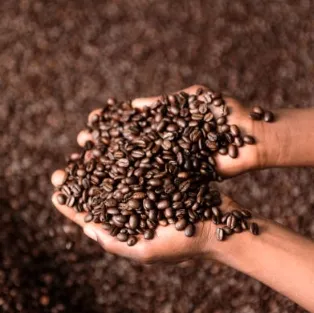
If the retail price is exorbitant, the first instinct is to assume the ingredients are incredibly expensive. However, performing a supply chain autopsy on the base commodity reveals a completely different story. Looking at the raw commodity market provides a clear perspective on the intrinsic value of the coffee itself. The global futures price for standard Arabica coffee beans generally hovers around two dollars per pound, subject to slight seasonal agricultural fluctuations.
Even when incorporating the overhead costs of industrial roasting, commercial grinding, and global logistics, the physical coffee powder sitting inside your pod represents a tiny fraction of the total retail price. In a comprehensive cost analysis of a single capsule, the actual coffee content typically accounts for only fifteen to twenty percent of the final price tag.
This reveals a crucial truth about the single-serve industry. You are not paying top dollar for rare, exotic coffee beans. You are quite literally paying more for the vessel, the technology, and the brand name than for the actual beverage you consume every morning.
Coffee Cost
The Micro-Packaging Miracle: Oxygen, Nitrogen, and Plastic
The vast majority of the physical manufacturing budget is dedicated to fighting the fundamental laws of chemistry. Once coffee beans are ground, the volatile compounds responsible for aroma and flavor immediately begin to degrade upon exposure to ambient oxygen. Within a matter of days, poorly stored ground coffee turns stale and acidic. To combat this, manufacturers do not just put coffee in a simple plastic cup; they engineer a microscopic, high-pressure, vacuum-sealed containment vessel.
This is where the costs skyrocket. Traditional capsules utilize a seven-layer co-extruded plastic structure featuring specialized materials designed to act as an absolute barrier against oxygen and moisture penetration. Furthermore, to guarantee a shelf life of up to two years, the packaging assembly line must execute a highly technical nitrogen flushing process. This procedure displaces the oxygen inside the cup right before the foil lid is hermetically sealed. Developing and maintaining the massive industrial machinery capable of executing this delicate process millions of times a day requires astronomical capital investments from coffee conglomerates.
The Manufacturing Shift: How Independent Roasters Keep Pods Affordable
Historically, the extreme cost of nitrogen-flushing production lines was passed directly to the consumer, inflating the price of every pod. However, if you have noticed an influx of highly affordable, excellent-tasting compatible pods from independent brands lately, it is because the underlying hardware monopoly has been disrupted by innovative equipment providers.
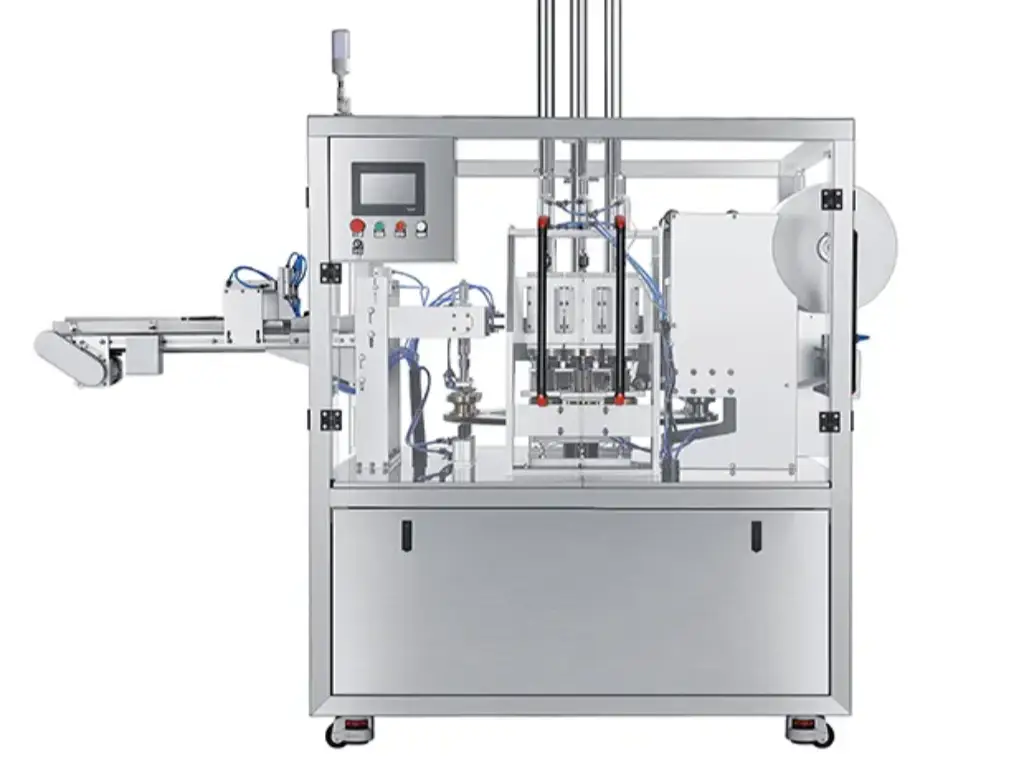
Are you an independent coffee roaster looking to capture this massive consumer shift toward affordable single-serve options? Industry-leading equipment manufacturers like Saneu provide state-of-the-art capsule filling and sealing machines that democratize the production process. By utilizing top-tier global components and highly precise servo-driven systems, Saneu machinery consistently controls residual oxygen to below one percent. This achieves the exact same factory-sealed freshness as international conglomerates but eliminates the need for multi-million-dollar legacy production lines. By lowering the barrier to entry, Saneu empowers independent coffee businesses to produce premium capsules profitably, effectively passing the savings directly to the end consumer.
The Convenience Tax We Are Paying For
Moving beyond the physical materials, a significant portion of the high price tag is an intangible convenience tax. You are paying a massive premium for time conservation and the total elimination of household friction. Preparing a traditional espresso involves a sequence of meticulous, time-consuming steps. You must dial in the grinder, distribute the grounds evenly, apply precise tamping pressure, extract the shot, and then endure the messy process of knocking out the wet puck and scrubbing the portafilter.
A single-serve machine condenses this entire workflow into a thirty-second automated process that results in absolutely zero cleanup. Additionally, the single-serve model entirely eliminates the liquid waste associated with traditional drip coffee makers. In many households, half a carafe of batch-brewed coffee turns sour on the heating plate and is eventually poured down the sink. By brewing exactly one cup on demand, the liquid waste rate drops to zero. Millions of consumers are willingly paying this premium precisely because it buys back their valuable morning time.
Keurig’s Secret Profit Engine: The Razor and Blades Model
To fully comprehend why capsules are so expensive, one must examine the invisible corporate ecosystem governing the machines. The single-serve coffee industry operates on the classic razor and blades business model. Manufacturers frequently sell the brewing hardware at a discount, sometimes operating as a loss leader just to secure a permanent spot on your kitchen counter. The true profit engine relies entirely on the continuous, high-frequency consumption of the proprietary capsules over the lifespan of the machine.
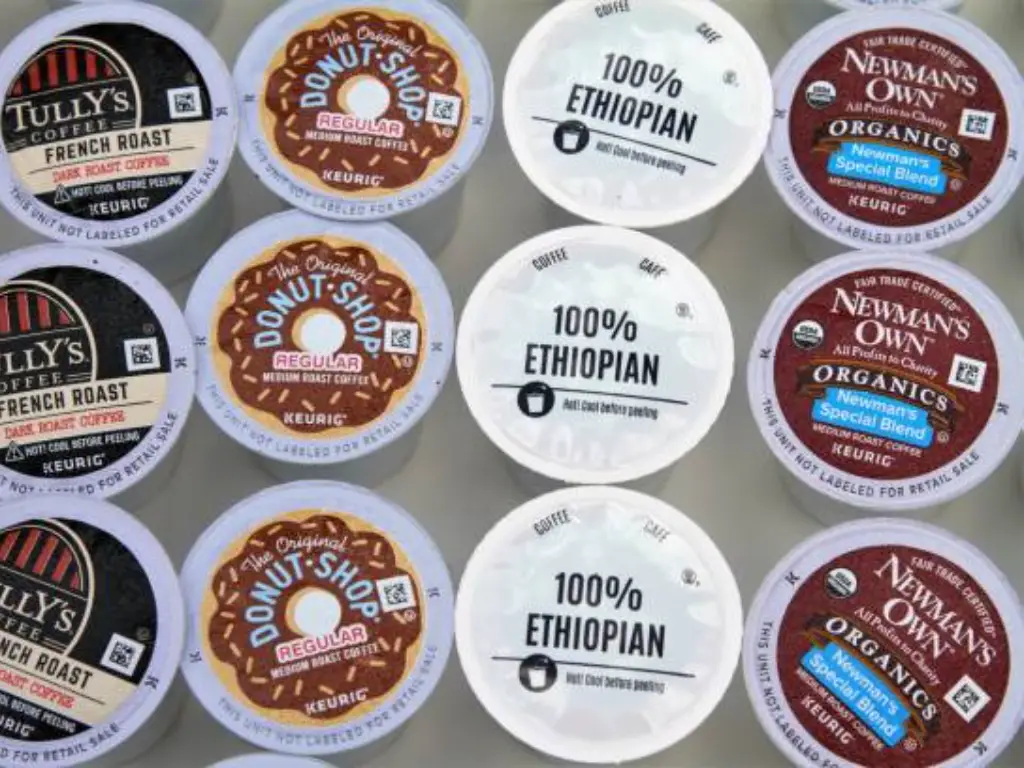
This ecosystem is fiercely protected by digital rights management technology integrated directly into modern brewers. When you purchase capsules featuring logos from famous international coffee houses or popular donut chains, those third-party roasters are not operating independently. They are required to pay substantial licensing fees and royalties to the machine manufacturer for the right to produce compatible pods that the machine’s optical scanner will accept. This systemic brand tax acts as an invisible toll booth, and that toll is inherently baked into the retail price you pay at the checkout counter.
The Environmental Toll: The Hidden Cost of Disposal
Finally, there is a profound social and environmental cost attached to this extreme convenience, which indirectly impacts industry pricing as companies invest in sustainability initiatives. While the industry has made efforts to transition capsules to theoretically recyclable polypropylene plastic, a frustrating recycling paradox persists at the municipal level. Because the capsules are incredibly small and are typically disposed of while still containing damp coffee grounds and fragments of aluminum foil, the automated sorting conveyor belts at most materials recovery facilities simply cannot process them.
The machines filter these tiny capsules out as debris, meaning the vast majority of these plastic cups bypass the recycling stream entirely and end up in landfills. Developing new, eco-friendly materials that can withstand high brewing pressures while remaining biodegradable requires immense research and development funding. This is another reason why independent brands utilizing flexible, modern packaging equipment capable of handling compostable materials are gaining immense traction among eco-conscious consumers who want a guilt-free cup of coffee.
Actionable Ways to Cut Your K-Cup Costs Today
Understanding the economics of the industry is fascinating, but practical solutions are what ultimately relieve the pressure on your wallet. If you are not ready to abandon the convenience of your brewing machine, there are several immediate purchasing strategies you can deploy to significantly lower your cost per cup without altering your morning routine.
Bypass the Brand Tax and Buy in Bulk
One of the most effective strategies is bypassing the corporate royalty ecosystem altogether. You can achieve this by seeking out store-brand capsules or products from independent roasters. Large warehouse clubs and supermarkets often utilize top-tier co-packing facilities equipped with advanced packaging machinery to produce their private-label coffee. These capsules offer exceptional quality and freshness because they employ the exact same nitrogen-flushing technology as the major brands, but they completely eliminate the massive marketing budgets and royalty markups. Combining this approach with digital subscription services or buying in bulk during major retail holidays drives down the unit economics dramatically.
Reusable Pods: The Ultimate ROI or a Flavor Compromise?
For consumers willing to sacrifice a fraction of their morning convenience, the reusable filter cup is often hailed as the ultimate financial loophole. Let us calculate the total cost of ownership over a five-year period for a two-person household consuming a combined total of two cups per day. If they strictly purchase pre-packaged corporate capsules at seventy cents each, the daily expenditure is one dollar and forty cents. Over five years, this habit drains two thousand five hundred and fifty-five dollars from their budget.
Conversely, if they invest ten dollars in a high-quality reusable filter and purchase premium whole bean coffee at fifteen dollars per bag, their cost drops to roughly forty-four cents per cup.
| Expense Category | Pre-Packaged Brand Capsules | Reusable Filter + Premium Beans |
|---|---|---|
| Daily Cost (2 Cups) | $1.40 | $0.88 |
| 1-Year Cumulative Cost | $511.00 | $321.20 |
| 5-Year Cumulative Cost | $2,555.00 | $1,615.00 (Includes Hardware) |
| Net 5-Year Savings | – | $940.00 |
While saving nearly a thousand dollars is incredibly appealing, there is a distinct physical compromise. Commercial capsules contain a high-tech internal non-woven filter paper that provides vital resistance against the pressurized water. Additionally, industrial facilities utilize massive roller mills that grind the coffee with microscopic uniformity. When you fill a plastic mesh cup at home using a standard grinder, the lack of that specific filter paper resistance combined with an uneven particle size distribution often causes the water to channel too rapidly through the grounds, resulting in a watery cup. If you find the flavor sacrifice unacceptable, your best alternative remains sourcing professionally manufactured compatible pods from independent brands.
Final Verdict: Finding the Sweet Spot for Your Daily Brew
The sticker shock you experience in the coffee aisle is entirely justified by the complex economics of the industry. You are paying a premium for microscopic engineering, unparalleled morning convenience, and a locked-in corporate royalty system designed to maximize recurring revenue. However, fully understanding this ecosystem empowers you to make smarter purchasing decisions without having to abandon your expensive brewing machine. The market is rapidly evolving, and you no longer have to choose between exorbitant brand-name prices and the messy inconvenience of reusable filters. By pivoting your purchasing habits toward independent roasters and private-label brands equipped with modern, cost-effective packaging technology, you can enjoy factory-sealed freshness and robust flavor at a fraction of the cost. Ultimately, finding your perfect cup is about balancing your budget with your desire for effortless convenience.