Introduction
The coffee industry in 2026 operates on razor-thin margins and uncompromising consumer expectations. Scaling a roastery from a passionate boutique operation to a high-volume commercial powerhouse requires more than just sourcing excellent beans; it demands flawless execution at the end of your production cycle. Your packaging line is the final guardian of your roast profile and the ultimate determinant of your operational profitability. Many growing coffee businesses find themselves trapped in a dangerous middle ground, utilizing semi-automatic processes that leak profits through inconsistent weights, poor seals, and excessive labor costs. This comprehensive guide strips away the marketing noise to deliver a hardcore engineering and financial breakdown of a modern industrial coffee packaging line. From understanding the catastrophic effects of coffee dust on degassing valves to calculating the brutal daily cost of product giveaway, we will explore how to architect a system that protects your product, reduces your overhead, and seamlessly positions your brand for dominant wholesale expansion.
When Is It Time to Automate Your Coffee Packaging Line?
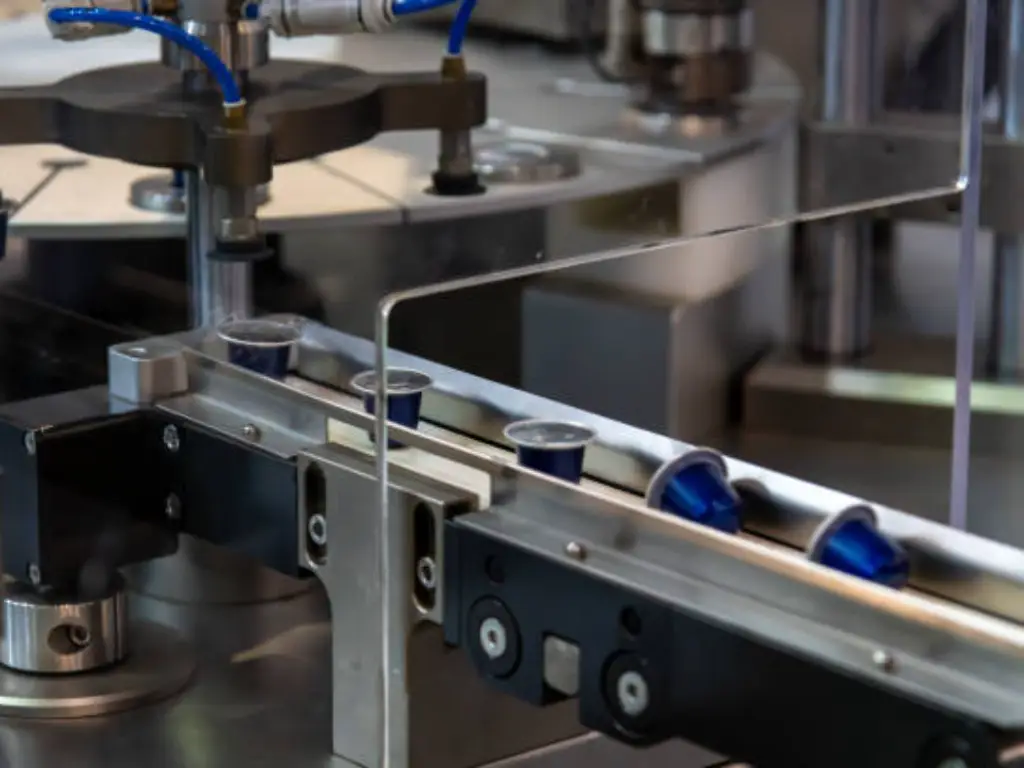
Transitioning from a manual or semi-automatic setup to a fully automated packaging line is a significant capital decision that often induces hesitation among roastery owners. However, relying on human labor for repetitive packaging tasks eventually becomes the primary bottleneck choking your growth. You do not need to wait for a catastrophic failure to upgrade; you simply need to recognize the operational red lights flashing on your production floor. The first undeniable signal is when your single-shift capacity hits a ceiling, forcing you into expensive overtime or causing you to turn down wholesale contracts simply because you cannot bag the product fast enough.
The second red light involves shelf-life inconsistency. Manual packaging makes it physically impossible to guarantee a stable nitrogen flushing environment. When your operators use foot-pedal sealers, the residual oxygen levels fluctuate wildly from bag to bag. If your wholesale clients or retail partners start reporting that certain batches taste stale while others are fine, your manual process is destroying your brand reputation. Finally, look at your waste bins. Human fatigue inevitably leads to spilled beans, misaligned seals, and wasted film. When your operators are tired, your scrap rate skyrockets.
To overcome the initial sticker shock of automation, you must view the investment through the lens of human capital. In the North American market, the combined annual salary, benefits, liability insurance, and turnover costs for three manual packaging operators easily exceed one hundred and twenty thousand dollars. Conversely, the financing cost of a highly accurate, automated packaging machine is a fraction of that ongoing expense. Automation is not a luxury meant only for massive corporations; it is a fundamental defensive strategy to lock in your baseline profit margins against rising labor costs.
The Complete Coffee Packaging Line Topology Explained
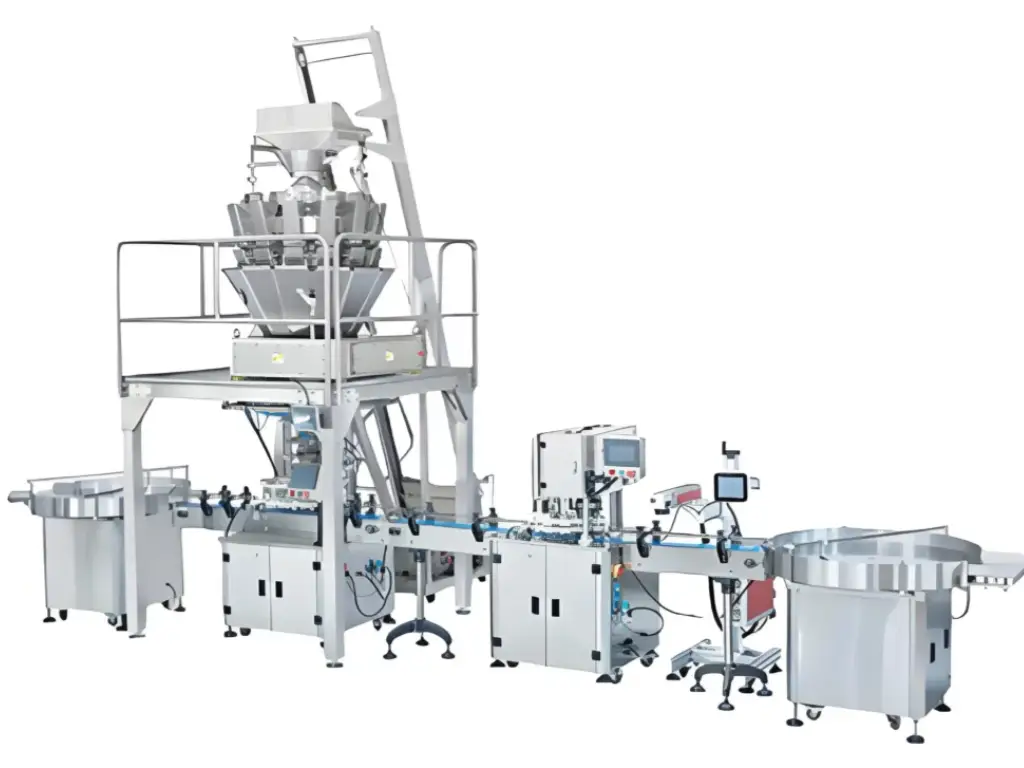
A frequent mistake made by buyers is suffering from tunnel vision, focusing entirely on the primary bagging machine while ignoring the upstream and downstream components. A true automated packaging line is an integrated ecosystem where every module must communicate flawlessly. The overall equipment effectiveness of your facility is dictated by your weakest link. If your feeding elevator jams or your case packer lags, the fastest bagging machine in the world will simply sit idle.
The workflow begins with bulk feeding, where roasted beans are transported from silos to the weighing deck. It is crucial to utilize Z-bucket elevators for this task. Traditional augers or harsh conveyors will agitate and crack the roasted beans, significantly increasing your breakage rate before the coffee even reaches the bag. Once elevated, the product enters the dosing system to be precisely weighed.
From there, the product moves into the packaging machine, bringing us to a critical and often misunderstood sequence of operations. Before the beans or grounds are dropped, the system must execute valve integration. The machine thermally bonds a one-way degassing valve directly to the film—either along the forming tube of a vertical bagger or just before a premade pouch is opened. This establishes the respiratory system for the coffee. Immediately following the valve application comes the integrated filling and flushing phase.
It is vital to correct a common industry misconception regarding physical timing here. Nitrogen flushing is not an independent action that occurs after the bag is filled. In a properly engineered system, inert gas is continuously blown down through the forming tube the moment the beans begin their descent, actively displacing oxygen throughout the entire filling cycle and closing the loop at the exact millisecond the thermal jaws seal the film. After sealing, the bags pass over a checkweigher to verify regulatory compliance before moving to the end-of-line case packing station.
Beans vs. Grounds: Why They Need Totally Different Dosing Systems
Understanding the physical behavior of your product under gravity and mechanical stress is the deepest technical barrier in packaging design. Coffee beans and ground coffee are essentially two entirely different materials. Attempting to use a universal dosing system for both will result in catastrophic production failures, ruined machinery, and massive product waste.
Multi-Head Weighers for Whole Beans
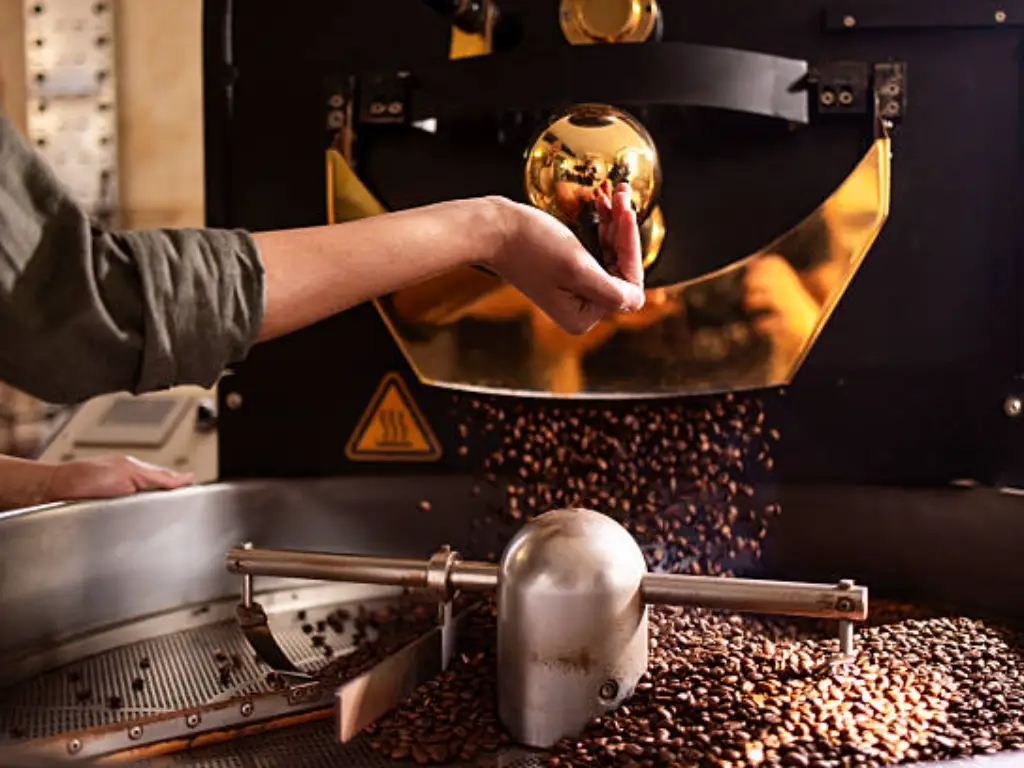
Whole roasted beans are fragile but flow freely. The undisputed standard for dosing beans is the multi-head weigher, also known as a combination scale. This system utilizes a central dispersion cone that vibrates beans into multiple individual weigh buckets. A high-speed algorithm instantly calculates the weights across all buckets and releases the exact combination that matches your target weight, achieving incredible speeds with virtually zero waste. However, if you are running oily, dark roasts like French roast or specific espresso blends, standard smooth stainless steel buckets are a liability. The oils will act as an adhesive, causing the beans to stick to the metal and paralyzing the weighing cycle. You must specify buckets with a dimpled surface to reduce the contact area and keep the oily beans moving freely.
Auger Fillers and Dust Control for Ground Coffee
Unlike beans, ground coffee does not flow; it compacts, bridges, and generates massive clouds of airborne particulate. If you attempt to drop ground coffee through a multi-head weigher, it will create a dust storm in your facility and deliver wildly inaccurate weights. Ground coffee strictly requires a servo-driven auger filler, which uses a precisely machined screw to push a specific volumetric amount of powder into the bag.
The true nightmare of packaging ground coffee lies in static electricity and dust. Airborne coffee dust is the natural enemy of a hermetic seal. If powder clings to the inside of the film where the heated jaws clamp down, it creates microscopic channels in the plastic, resulting in leaky seals that will oxidize the coffee within days. Even more disastrously, fine dust will clog the microscopic filter membrane of the one-way degassing valve. A compromised valve turns into a two-way leak, rendering your packaging completely useless. Therefore, any ground coffee line must be armed with heavy-duty dust extraction systems and industrial static eliminators to neutralize the charge and keep the sealing zone surgically clean.
Choosing Your Format: Rollstock or Premade Pouches?
Deciding on the physical format of your packaging is a strategic business decision that dictates your market positioning. You must look beyond standard bags and view your production floor through the lens of operational efficiency, evaluating formats based on volume requirements, retail aesthetics, and material costs.
| Format Criteria | Rollstock (VFFS) | Premade Pouches |
|---|---|---|
| Material Cost | Extremely low due to purchasing raw printed film on large rolls. | High premium paid for pre-manufactured and pre-sealed bags. |
| Bag Styles | Ideal for pillow bags, standard gusseted pouches, and commercial frac packs. | Unmatched aesthetic versatility including flat bottom, stand-up, and complex zippers. |
| Production Speed | Very high output, often exceeding sixty to one hundred bags per minute. | Moderate output, typically operating between thirty to fifty bags per minute. |
| Operational Flexibility | Requires physical forming tube changeovers which introduces minor downtime. | Tool-free changeovers accomplished in minutes, ideal for high-mix environments. |
High-Volume Commercial Bags: Rollstock VFFS
For operations supplying high-volume commercial clients, hotel chains, or massive supermarket contracts, vertical form fill seal technology is the ultimate cost-reduction weapon. Instead of buying expensive pre-made bags, you purchase massive rolls of flat printed film. For heavy-duty bean or ground coffee output, deploying a robust system like the Saneu VFFS-520 series provides a massive competitive advantage. Built specifically to handle large-format coffee packaging with integrated vacuum preservation and anti-jamming designs, it allows roasters to achieve relentless throughput while driving their per-bag material costs down to the absolute floor.
Premium Retail Shelves: Premade Pouches
If your primary battlefield is the hyper-competitive shelf of a specialty grocery store or a high-end boutique, aesthetics rule above all else. Premade pouch machines excel at handling complex, beautiful packaging like flat-bottom box pouches with integrated pocket zippers. While the individual bag cost is higher, these machines offer unparalleled flexibility. They allow toll roasters and co-packers to switch between different bag sizes and client brands in minutes without the need to hoist heavy metal forming tubes across the factory floor.
Keeping the Roast Fresh: Nitrogen Flushing & Degassing Valves
Protecting the delicate volatile compounds of freshly roasted coffee from oxygen degradation is the most critical scientific function of your packaging line. If your machinery fails in this regard, your coffee will taste flat and rancid before it ever reaches the consumer’s grinder.
Integrated Nitrogen Flushing: Hitting the One Percent Target
Traditional vacuum sealing is often too violent for specialty coffee, turning bags into hard bricks and potentially crushing delicate beans. Modified atmosphere packaging, specifically nitrogen flushing, is the superior method. By flooding the bag with inert nitrogen, you effectively push the ambient oxygen out of the environment. For standard whole bean bags, the industry baseline dictates that residual oxygen levels must be driven down below one to two percent to maintain a six-month shelf life.
To push freshness to the absolute limit in large-format bags, elite systems break conventional barriers. For example, Saneu VFFS packaging lines utilize highly engineered inert gas channeling within the forming tube to consistently drive residual oxygen levels well below the standard one percent threshold. By precisely controlling the flow rate and minimizing atmospheric turbulence during the drop, this technology maximizes flavor retention for every single wholesale or retail bag, outperforming legacy systems that suffer from inconsistent gas distribution across long production runs.
One-Way Degassing Valves: Let It Breathe
While you fight to keep oxygen out, you must simultaneously manage the gases generated from within. Freshly roasted coffee aggressively releases carbon dioxide for several days. If placed in a hermetically sealed environment without an escape route, the bag will expand like a balloon and eventually rupture. As mentioned in the workflow topology, the valve applicator punches a hole in the film and thermally bonds a one-way degassing valve over it. The engineering challenge here lies in absolute temperature and pressure control during application; a bond that is too weak invites oxygen, while excessive heat will warp the film and ruin the visual appeal.
Eco-Friendly Coffee Bags: What Machine Builders Don’t Tell You
Consumer pressure is driving the industry toward sustainable packaging, utilizing compostable PLA materials or fully recyclable mono-material films. However, beneath the marketing sustainability claims lies a harsh engineering reality that many machine builders conveniently omit: eco-friendly films are notoriously difficult to run on standard packaging equipment.
Traditional foil-lined bags have a wide tolerance for heat, making them forgiving to seal. In stark contrast, modern sustainable films possess an incredibly narrow operating window for their sealing temperature. If the sealing jaws are just two degrees too cool, the layers will not bond, causing the bag to burst open during transit. Conversely, if the temperature spikes by two degrees, the delicate eco-film will instantly melt and fuse permanently to the metal sealing jaws, requiring hours of painful scraping and machine downtime. To successfully run environmentally friendly bags, you must demand that your machinery is upgraded with Teflon-coated sealing jaws to prevent sticking, governed by ultra-precise PID temperature control systems capable of maintaining thermal stability within a fraction of a degree.
Finishing the Job: Cartoning, Case Packing, and Palletizing
Automating your primary bagging process is only half the victory. If your vertical form fill seal machine is outputting eighty bags per minute, and you lack secondary automation, you will require a small army of manual laborers frantically stuffing those bags into cardboard boxes. End-of-line automation is where you truly consolidate your labor savings.
A critical engineering warning must be stated regarding the handling of flexible coffee bags. You must absolutely forbid the use of vacuum suction technology for the end-of-line loading of pillow or gusseted bags. A bag full of coffee beans has an uneven surface and a shifting center of gravity. Vacuum cups will inevitably lose suction, dropping bags onto the factory floor and causing massive disruption. Professional secondary packaging for flexible coffee bags requires the use of mechanical grippers that physically cradle the bag, or the implementation of gravity-driven drop packing systems to guide the product safely into the corrugated shipping cases.
How to Calculate the Real ROI on Your Packaging Equipment
Purchasing a coffee packaging line is not a capital expense; it is a mathematical strategy designed to stop revenue leaks and multiply your profit margins. To calculate your true return on investment, you must execute a brutal audit of your hidden daily losses. The most silent and deadly profit killer on a coffee production floor is product giveaway.
- Daily Giveaway Calculation: If your machine overfills by just 2 grams per bag to meet legal weights, and you run at a moderate speed of 50 bags per minute for a standard 8-hour shift, you are losing 48,000 grams (48 kilograms) of premium coffee every single day.
- Financial Impact: Assuming a conservative wholesale cost of $15 per kilogram for premium roasted beans, losing 48 kilograms translates to a hemorrhage of $720 per day. Over a standard 250-day production year, your facility is silently throwing away $180,000 in pure net profit.
Halting this daily hemorrhage is where top-tier engineering pays for itself. By integrating solutions like the Saneu packaging lines, which are armed with world-class Schneider servo systems, you lock your filling accuracy down to a razor-sharp tolerance of plus or minus zero point one gram, instantly recovering that lost annual revenue. Furthermore, your ROI calculation must factor in equipment lifespan and regulatory safety. Cheap machines utilizing electroplated iron components will inevitably rust in a high-acidity coffee environment, triggering catastrophic FDA recalls. Protecting your brand means demanding aerospace-grade aluminum and washdown-ready stainless steel structures that ensure decades of safe operation.
Finally, you must calculate the cost of downtime. True ROI is defined by the resilience of your support network. When an East Coast co-packing roastery with a five-hundred-ton annual capacity suffered a sudden VFFS servo drive failure just three days before the Thanksgiving rush, the Saneu global support team executed a rapid online intervention. Within two hours, remote diagnostics pinpointed the exact drive fault. A replacement module was airfreighted and arrived in fourteen hours, allowing the facility’s overall equipment effectiveness to be fully restored to ninety-eight percent within twenty-four hours. That level of operational security is what transforms a piece of machinery into a permanent competitive advantage.
Conclusion
A high-performance coffee packaging line is far more than a collection of synchronized steel and moving belts; it is the ultimate fortress that protects the artistry of your roast and the engine that propels your wholesale business forward. Allowing outdated, inaccurate, or manual equipment to dictate your production speed is a direct compromise of your brand’s true potential. As the market continues to demand higher standards of freshness, exact weight compliance, and sustainable materials, your infrastructure must be ready to answer the call flawlessly. Do not let hidden material waste, microscopic oxygen leaks, or paralyzing labor bottlenecks drain the lifeblood of your roastery.
Ready to stop giving away your profits and lock in absolute freshness? Contact Saneu today for a custom line topology layout and a tailored ROI calculation designed specifically for your large-format roastery growth.