
Coffee packaging solutions
Coffee packaging machines built for your production.
Select filling, sealing and packaging equipment by coffee format, pack specification and output target. Then configure a machine or connected line around your production plan.
See the production behind the promise
Equipment setup and testing are part of the buying decision, not an afterthought.
businesses
countries
Start with the pack
How will your customer receive the coffee?
Choose the product format first. Each route opens a focused equipment conversation with its own filling, sealing and production requirements.
Coffee capsules & K Cups
Single serve filling and sealing for compatible cup formats.
Ground coffee bags
Flexible bagging and powder filling built around your bag style.
Instant coffee sticks
Portioned stick packs and sachets for convenient single-use.
Coffee powder cans
Rigid canning lines for product protection and shelf presence.
Market format signals
Choose the coffee format your market is buying
Compare coffee capsules, single serve coffee, instant coffee sachets and coffee cans before selecting the coffee packaging equipment for your market.
France retail coffee
Capsules take a premium value position.
Same market, compared by retail volume and retail value.
- Pods
- Other coffee formats
United States coffee at home
Single serve is a major route, not the whole market
At home coffee category volume in 2024.
- Single serve
- Other home formats
Capsule or pod lines are a strong North American route, yet other at-home formats still make up most volume.
Asia Pacific instant coffee
Jars lead now. Sachets and pouches remain close
Instant coffee packaging by revenue in 2024.
- Jars
- Sachets and pouches
Sources: European Coffee Report 2023 2024, Keurig Dr Pepper Investor Day and Asia Pacific Instant Coffee Outlook.
Built around your project
What supports a more competitive coffee packaging investment
Evaluate the line on the factors that affect product protection, capital cost and post-installation continuity.
Development
Develop a new coffee product
Define the product, packaging format, fill weight and validation work needed before production starts.
Capacity
Expand an existing production line
Add capacity, automate a manual step or connect new equipment to your current process.
Format
Add a new packaging format
Introduce capsules, bags, stick packs or cans with the process and tooling that the format requires.
Upgrade
Replace or upgrade equipment
Resolve output, changeover, reliability or integration needs with a defined equipment scope.
Commercial proof
What supports a more competitive coffee packaging investment
Evaluate the line on the factors that affect product protection, capital cost and post-installation continuity.
Coffee packaging capability
Performance and support you can build into the business case
99.9%
30%
24 hrs
1 day
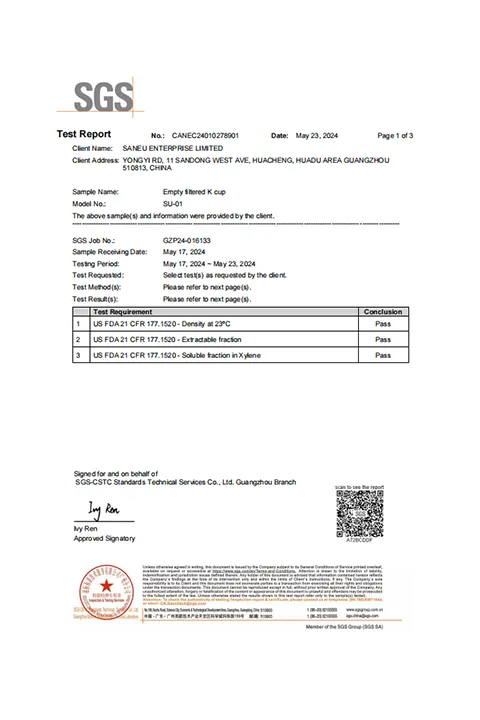
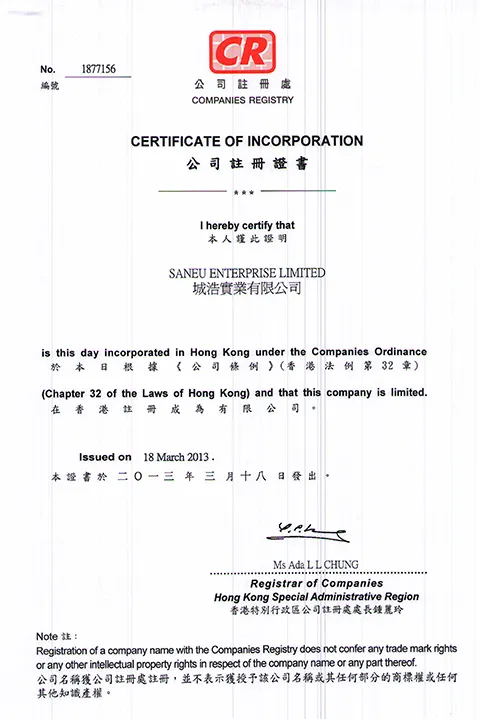
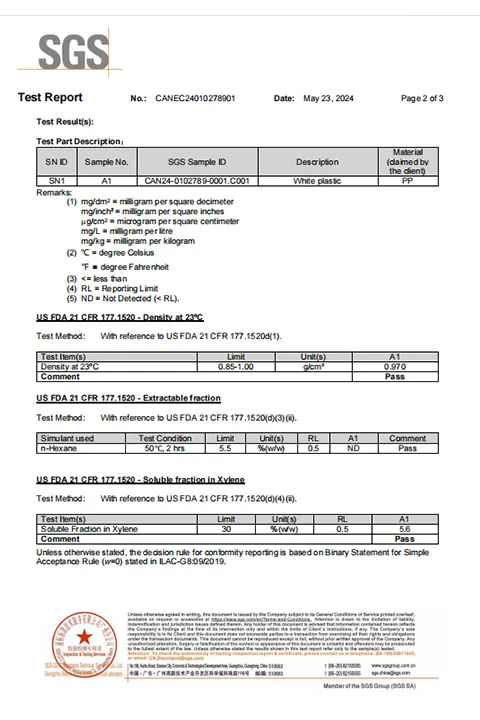
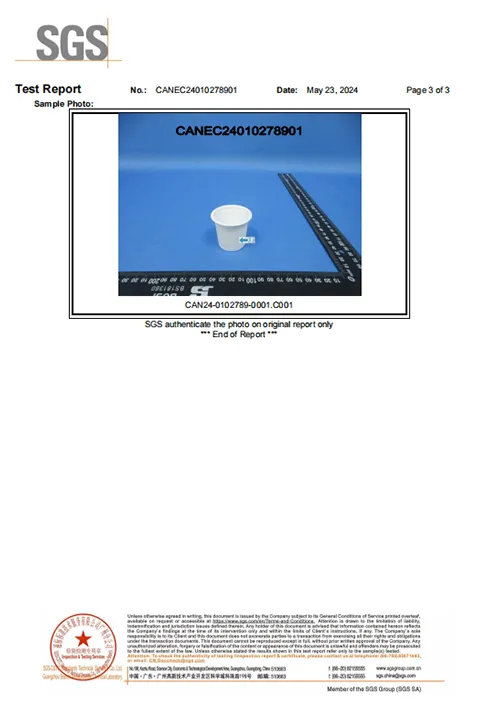
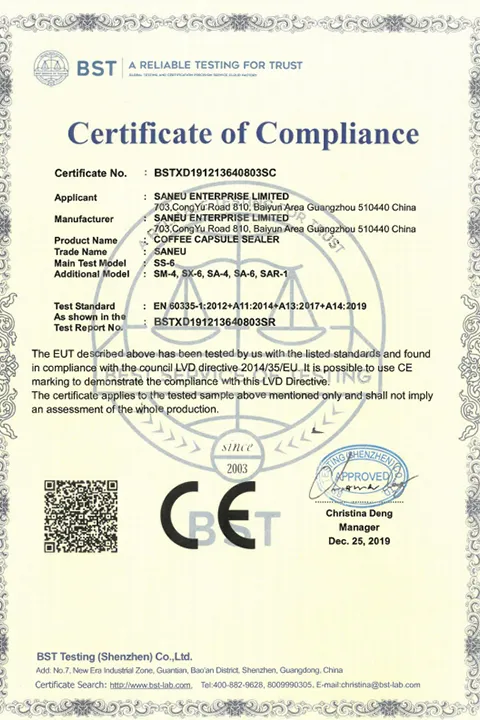
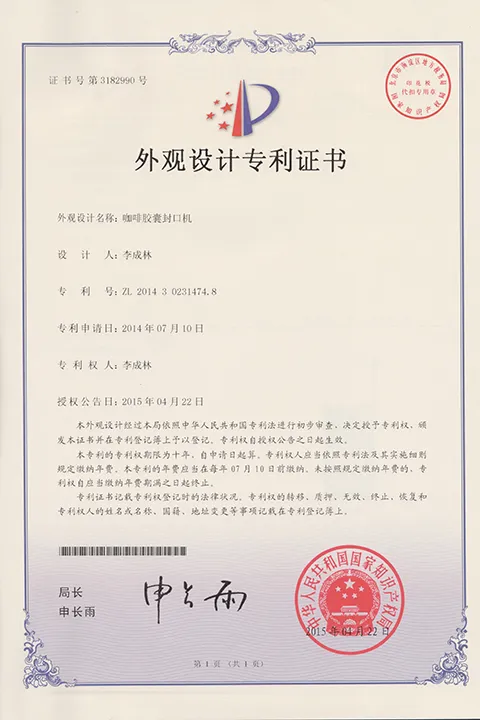
Certificates & patents
Documentation available for your technical and procurement review
CE and RoHS certification, along with patent documentation, can be reviewed as part of the project evaluation.

Project discussion essentials
Four details that shape the right equipment recommendation
These are the points our engineers need to understand before defining a machine, a line layout or a technical proposal for your project.
Start with the production reality
Product
Coffee and pack samples
Review the actual coffee, pack material, dimensions and fill weight that the equipment must handle.
Production
Output and factory conditions
Match output expectations with available space, utilities and the current production flow.
Scope
Machine and line integration
Confirm which process steps, tooling and upstream or downstream equipment belong in the project.
Service
Commissioning and support plan
Set expectations for testing, installation, training, remote support and planned maintenance.
Send these four details to start a focused technical review.
For capsule projects, compatibility, nitrogen performance and component brands are confirmed against the selected configuration.
Coffee packaging FAQ
Questions that protect your investment after the quote
Compare proposals on actual production risk—not only listed speed or purchase price.
Headline speed is not the same as usable shift output. Coffee flow, fill weight, packaging material, sealing time and operator routine all affect the result. Set the target against your actual product and pack, then agree the basis on which speed will be tested.
A fill-weight adjustment can be stored as a recipe; changing a capsule diameter, lid, bag width or forming set may require physical tooling. Share your SKU plan early and ask which changes are recipe-based, which need tooling, and what each changeover means for uptime.
Agree factory acceptance criteria using your samples: usable output, fill tolerance, seal appearance and integrity, reject logic and package protection. For selected capsule configurations, nitrogen performance can also be verified against the agreed application.
A filler or sealer can meet its own speed while feeding, empty-pack supply, coding, inspection, cartoning or discharge slows the overall line. Define every hand-off in the production flow before comparing machine quotations.
Confirm the response channel, commissioning and operator-training scope, remote diagnostic process and standard-parts plan before purchase. SANEU can provide technical video guidance after request, with standard parts dispatched within one day.