Introduction
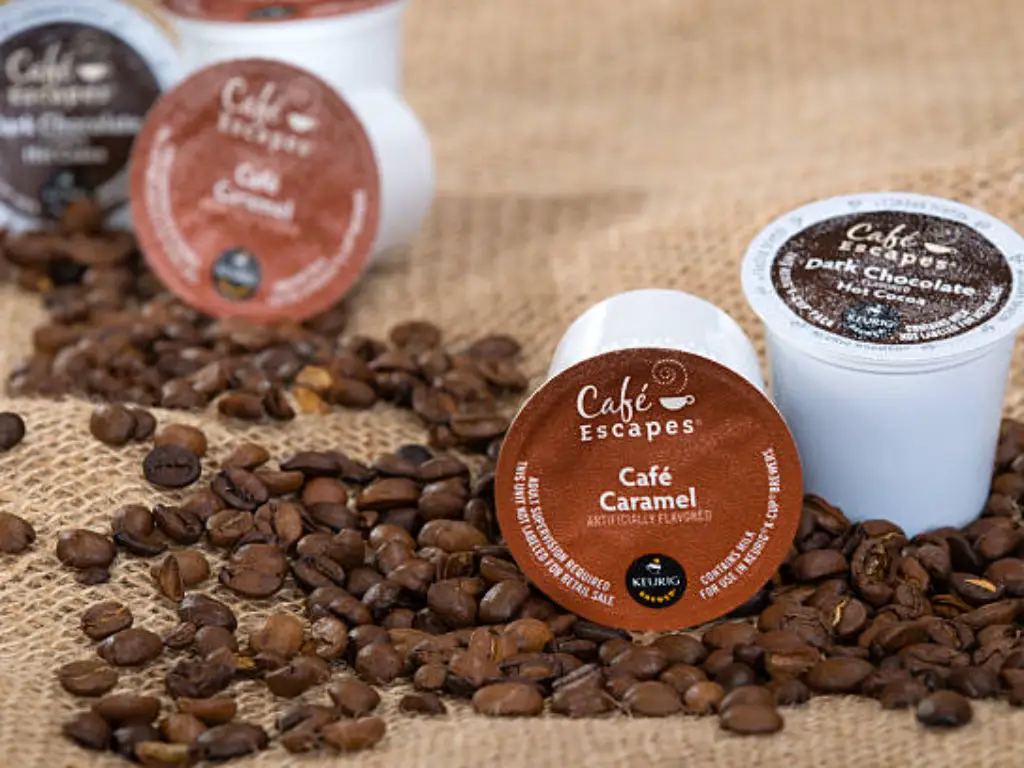
The contemporary morning routine has been reduced to a pressurized plastic or aluminum capsule. We substitute the patience of the artisan with the efficiency of the machine, but in the process we tend to forget the chemistry of the process. When you put coffee beans—processed into a pod—into your machine, you are not merely making coffee, you are starting a highly controlled process to manage your caffeine intake, the most popular psychoactive drug in the world.
The question “What is the amount of caffeine in my coffee pod? is deceptively complex. Not only the size of the cup, but the genus of the bean, the fineness of the grind, and the physics of the extraction. We are going to break down the caffeine profiles of the most popular pod systems in the world in this guide and guide you through the 2026 single-serve coffee landscape.
Quick Reference: Average Caffeine Levels by Capsule Type
To save time, the table below gives the baseline averages of the four big systems in the world. These numbers are typical; specialty high-caffeine pods will go beyond these numbers.
Capsule System | Serving Size (oz) | Average Caffeine (mg) | Max Caffeine (mg) |
Nespresso Original | 0.85 – 1.35 oz | 60 – 75 mg | 142 mg (Kazaar) |
Nespresso Vertuo | 1.35 – 14 oz | 70 – 150 mg | 230 mg+ (Alto XL) |
Keurig K-Cup | 8 – 12 oz | 75 – 125 mg | 200 mg+ (Death Wish) |
Dolce Gusto | 1.1 – 7 oz | 80 – 110 mg | 130 mg |
The Concept of “Per-Ounce Density”
To see why a 1.35oz Nespresso shot seems stronger than an 8oz K-Cup, one has to examine the density of caffeine, and not the number of milligrams. An average Nespresso Original espresso provides approximately 50mg of caffeine per ounce, compared to the average K-Cup, which provides approximately 12mg per ounce. Among different brands, this concentration varies, but the high density enables the caffeine to get into the blood stream much quicker, producing a sharp, immediate surge of alertness. Although a big mug of Keurig regular coffee pods offers a slow-release experience over time, the concentrated amount of a Nespresso pod is a targeted energy burst, which delivers a stronger physical hit even though it has the same or even less total caffeine content.
K-Cups vs Nespresso: Which Machine Packs More Punch?
The decision between these two types of coffee systems is based on whether you are more concerned with the speed of the caffeine rush or the overall amount of the drink. Nespresso machines replicate the workings of professional espresso bars, with 19 bars of high pressure in the Original Line or fast centrifugal force in the Vertuo Line to press water through tightly packed ground coffee. This technique produces a very concentrated shot with a rich crema and a high concentration of caffeine, and is the best option when one requires an immediate, sharp mental kick in a small portion.
Keurig is based on a completely different principle, acting as a miniaturized drip coffee system. Low pressure hot water passes through a bigger bed of grounds, which means that the contact time is longer and a greater total caffeine “payload” is extracted into a much larger amount of water. This renders Keurig the better system to drinkers who desire a full 8-to-12-ounce mug to savor on all morning instead of a fast shot.
Finally, it all depends on what you consume. In case you appreciate intensity per unit volume and a high-end experience, Nespresso wins. But, when you want the most cost-effective per cup and the overall amount of caffeine to keep you going longer, Keurig is the more cost-effective.
The Top 50 Pods: Exact Caffeine for Every Brand
Browing the coffee aisle in 2026 has become more than just choosing a favorite roast; it is now about controlling your daily cognitive fuel with a scalpel. In order to really control your energy levels, you need to go beyond the marketing rhetoric and know the exact metabolic payload that is contained in each capsule. You can follow the 400 mg daily safety limit or you can find one, high-impact jolt to get you out of a morning fog, this data-driven guide gives you the precise caffeine content of the fifty most popular pods on the market today.
Light Roasts: High-Volume Retention
Light roasts are often misinterpreted. Because of the specific roast level, the beans are subjected to a shorter roasting process, meaning lighter roasts often have a higher caffeine content than their darker counterparts. Choosing a light roast coffee can actually provide a more potent stimulant effect.
Rank | Brand & Pod Name | System | Caffeine Content (mg) |
1 | Starbucks Veranda Blend | K-Cup | 130 |
2 | Nespresso Vertuo Solelio | Vertuo | 133 |
3 | Peet’s Colombia Luminosa | K-Cup | 110 |
4 | Dunkin’ Breakfast Blend | K-Cup | 105 |
5 | McCafé Breakfast Blend | K-Cup | 100 |
6 | Green Mountain Breakfast Blend | K-Cup | 96 |
7 | Krispy Kreme Classic | K-Cup | 100 |
8 | Caribou Daybreak Morning | K-Cup | 95 |
9 | Amazon Fresh Light Roast | K-Cup | 90 |
10 | Nespresso Vertuo Voltesso | Vertuo | 64 |
11 | Nespresso Original Volluto | Original | 60 |
12 | Nespresso Original Cosi | Original | 60 |
Medium Roasts: The Daily Equilibrium
These are the sweet spot of the market, offering a consistent flow of energy and a reliable average caffeine content for daily use with no drastic spikes of specialty high-yield pods.
Rank | Brand & Pod Name | System | Caffeine Content (mg) |
1 | Starbucks Veranda Blend | K-Cup | 130 |
2 | Nespresso Vertuo Solelio | Vertuo | 133 |
3 | Peet’s Colombia Luminosa | K-Cup | 110 |
4 | Dunkin’ Breakfast Blend | K-Cup | 105 |
5 | McCafé Breakfast Blend | K-Cup | 100 |
6 | Green Mountain Breakfast Blend | K-Cup | 96 |
7 | Krispy Kreme Classic | K-Cup | 100 |
8 | Caribou Daybreak Morning | K-Cup | 95 |
9 | Amazon Fresh Light Roast | K-Cup | 90 |
10 | Nespresso Vertuo Voltesso | Vertuo | 64 |
11 | Nespresso Original Volluto | Original | 60 |
12 | Nespresso Original Cosi | Original | 60 |
Dark Roasts and High-Yield Specialists
To achieve a more drastic metabolic re-set, these pods use dark roast coffee or particular Robusta dark roast beans blends to give the highest ratio of caffeine to the dollar. While they taste bolder, they may only have a slightly higher caffeine content compared to standard blends unless specifically engineered for power.
Rank | Brand & Pod Name | System | Caffeine Content (mg) |
13 | Nespresso Vertuo Odacio | Vertuo | 150 |
14 | Nespresso Vertuo Melozio | Vertuo | 130 |
15 | Starbucks Pike Place Roast | K-Cup | 130 |
16 | Starbucks House Blend | K-Cup | 130 |
17 | Nespresso Vertuo Double Espresso Chiaro | Vertuo | 135 |
18 | Peet’s Big Bang | K-Cup | 120 |
19 | Nespresso Vertuo Inizio | Vertuo | 120 |
20 | Caribou Coffee Caribou Blend | K-Cup | 115 |
21 | Dunkin’ Original Blend | K-Cup | 110 |
22 | Tim Hortons Original | K-Cup | 100 |
23 | Green Mountain Nantucket Blend | K-Cup | 100 |
24 | McCafé Premium Roast | K-Cup | 100 |
25 | Folgers Classic Roast | K-Cup | 100 |
26 | Eight O’Clock The Original | K-Cup | 100 |
27 | Newman’s Own Special Blend | K-Cup | 100 |
28 | Donut Shop Regular | K-Cup | 100 |
29 | Nespresso Original Vivalto Lungo | Original | 82 |
30 | Nespresso Original Tokyo Vivalto | Original | 82 |
31 | Lavazza Classico | K-Cup | 75 |
32 | Nespresso Original Livanto | Original | 60 |
The evaluation of these metrics shows that there is a fundamental gap in the approach of various systems to your morning routine. The Nespresso ecosystem provides a significantly broader range of intensity through the use of particular combinations of Arabica and Robusta, which can be used to produce extremely concentrated hits in pods such as the Fortado or Napoli. Conversely, the K-Cup market has a highly predictable 100 mg to 130 mg range of virtually all standard brands, and is thus the less risky option to those who like a high volume, consistent beverage.
To the real high-performance user, specialty selections such as Starbucks 2X or Death Wish have virtually filled the gap between regular coffee and energy drinks, providing a payload that can easily satisfy half of your daily recommended consumption in a single sitting. In deciding on your final choice, you should take into account whether you require a quick, sharp mental recharge or a long-lasting energy boost to get you through a lengthy afternoon.
Myth Busted: Why “Intensity” Does Not Mean More Caffeine?
Do not be misled by an Intensity 12 label into thinking that you will get a bigger energy boost. The 1-13 scale of coffee industry is used to measure the sensory impact of coffee, including bitterness, smokiness, and body, as opposed to the chemical payload of caffeine. Depending on the type of coffee, a pod can be incredibly mild and provide a massive boost, while an intense one might actually contain less caffeine.
The Flavor Intensity vs. Caffeine Matrix
Knowing how taste and energy are connected will enable you to select a pod that will suit your unique requirements, be it a slow-moving morning routine or a vigorous recharge.
Pod Category | Sensory Impact (Intensity) | Caffeine Payload | The Core Logic |
Light Roasts | Bright, fruity, and thin | High | Denser beans retain more raw caffeine. |
Medium Roasts | Balanced, nutty, and smooth | Moderate | The standard baseline for daily use. |
Dark Roasts | Smoky, charred, and bitter | Moderate / Low | Heat degrades mass and chemical density. |
Robusta Blends | Earthy, heavy, and woody | Maximum | Genetic makeup provides a $2\times$ surge. |
The Roast Paradox: Bitterness is an Illusion
The dark roast has an aggressive, burnt taste that tends to fool the brain into believing that the coffee is stronger. But the roasting is in fact a struggle with the chemical integrity of the bean. The longer the beans are roasted to attain dark profile, the more they swell and lose a lot of mass.
Since light roast beans are still dense and heavy, they have not been puffed up by excessive heat, so they tend to have more caffeine in the same sized pod than a dark-roasted one. Moreover, caffeine is relatively stable, but the extreme and long temperatures needed to achieve the darkest roasts may eventually lead to the degradation of the caffeine molecules, which will produce a cup that is bitter but less stimulating in reality.
The DNA Factor: Arabica vs. Robusta
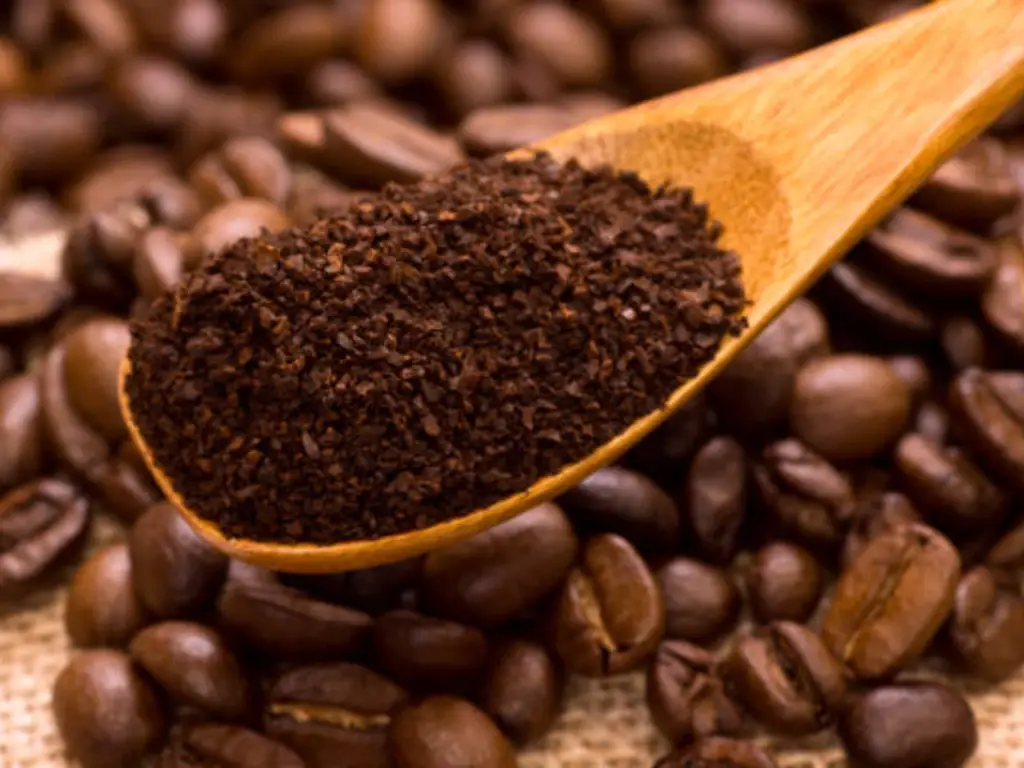
The fire is not the greatest influence on your caffeine consumption, but the genetics of the seed itself. The high-end flavor in the industry is Arabica beans, which are sweet and acidic with a caffeine content of about 1.2 percent -1.5 percent.
The industry energy boosters are robusta beans, which are commonly utilized to produce a rich, creamy crema and a more intense mouthfeel. These beans have almost twice the caffeine with a range of 2.2 -2.7 percent. A lot of brands are rated high in intensity by adding Robusta to the blend; you are getting the smoky, woody taste that you want, but the energy boost is actually being provided by the species of the bean and not the darkening of the roast.
Precision Matters: How Brands Guarantee Caffeine Consistency?
Best producers are pharmaceutical-grade in their caffeine kick. Natural harvests are variable, so the ratio of Arabica to Robusta is used as a chemical dial by the brands, recalibrating each batch to fix a particular energy profile. This uniformity is pegged on strict laboratory examination; green beans are analyzed through chromatography to trace their precise alkaloid content prior to roasting. These insights enable technicians to make adjustments to blends in real-time to ensure that the caffeine content does not exceed a 10 percent variance in millions of units.
It is finally won in the filling stage. High-technology gravimetric systems weigh grounds to a fraction of a milligram, making the extractable payload mathematically homogenous. Such accuracy removes the caffeine gap and offers a consistent experience to all consumers. This level of consistency is only possible with specialized technology, namely the high-speed, precision-engineered filling systems of Saneu, which transform these complicated chemical targets into a dependable reality.
Saneu: The Tech Behind Perfectly Consistent Coffee Pods
The consumer is concerned with the brand on the box, whereas the industry is concerned with the machinery that makes the pod. It is here that engineering excellence like that of Saneu packaging solutions is the silent assurer of your morning buzz.
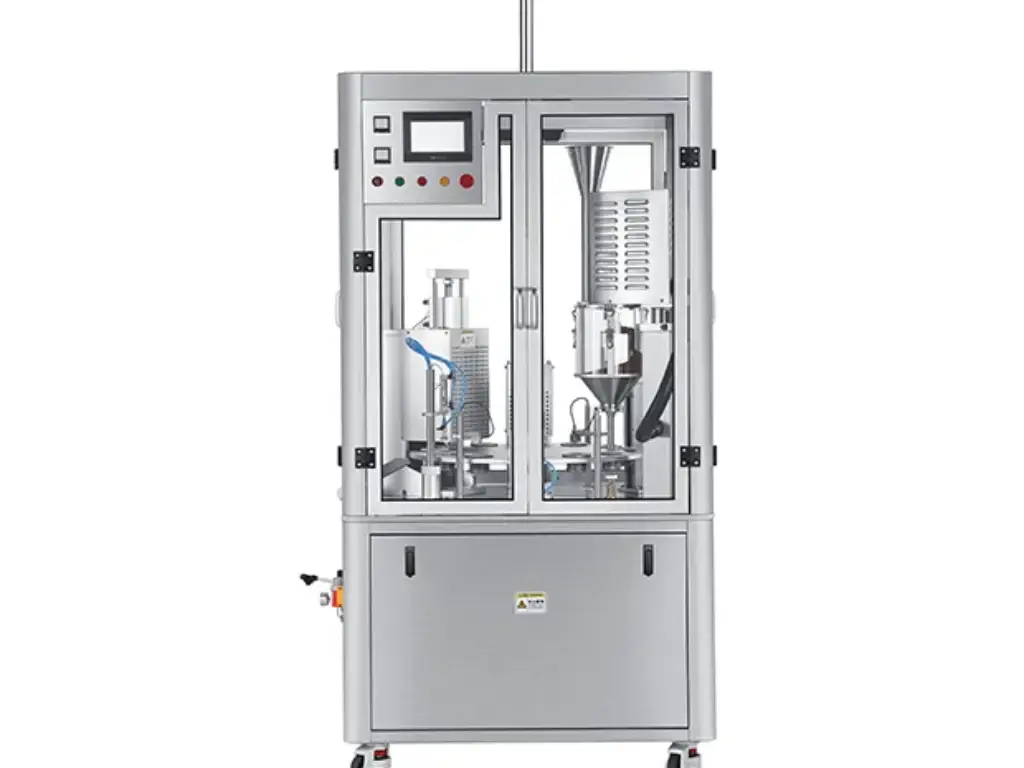
To guarantee a certain level of caffeine in a coffee brand, the filling procedure should be impeccable. The rotary coffee capsule filling and sealing machines of Saneu, which are compatible with K-Cup, Nespresso, Dolce Gusto, and Lavazza formats, use Schneider servo systems to fill the capsules with a precision of ±0.1g. Such accuracy guarantees that the caffeine “payload” is not varying cup to cup.
Moreover, Saneu has an industry-leading nitrogen flushing technology that preserves caffeine and flavor integrity. The coffee is preserved against oxidation by keeping its nitrogen content at 99.9% and the remaining oxygen content at less than 1%. This implies that the chemical compounds, such as the caffeine, are not affected by time between the factory in Guangzhou and a kitchen in New York. Saneu has a 12-year history and aerospace-grade aluminum parts, which offer the infrastructure that enables 100+ global coffee brands to offer a consistent, high-performance product at a cost that is approximately 30 percent less than similar European equipment.
Putting It in Perspective: Pods vs. Energy Drinks
It is easier to visualize the metabolic effect of a coffee pod in comparison to the heavy hitters of the beverage aisle. One high-intensity capsule, like a Nespresso Kazaar, contains approximately 150 mg of caffeine, which is almost twice the amount of 80 mg in a regular can of Red Bull. Simply put, a single quick pod of brewing gives the same physiological stimulation as two full cans of energy drink one after the other.
This difference is further enhanced by specialty products such as a Starbucks 2X K-Cup. A single pod is much better than a large 16 oz Monster Energy, which has 160 mg of caffeine, at 260 mg of caffeine, the pods provide an alternative that burns clean. You get a burst of brain power and natural antioxidants without the 50+ grams of sugar or the subsequent insulin crash that comes with a processed energy drink. A high-performance pod is just a more effective, healthier method of achieving your daily energy goals.
The Strongest Coffee Pods for High-Efficiency Performance
The secret of a high-performance pod is not the darkness of the roast, but the DNA. These pods are giving a metabolic boost that cannot be matched by ordinary coffee by adding Robusta beans that naturally have almost twice the amount of caffeine as Arabica.
Death Wish Coffee has dominated this category with a high-density Robusta blend to provide a raw, natural 210 mg payload. In case you want an engineered advantage, Starbucks 2X Caffeine adds more coffee extracts to its grounds to achieve an incredible 260 mg, the strongest K-Cup to drink in one sitting.
The Nespresso Vertuo Alto XL offers a higher volume option with a cumulative 230 mg payload, which is suitable to sustain focus or all-night sessions, to those who require a sustained infusion instead of a quick hit. To reboot with a concentrated shot, the Nespresso Kazaar is the gold standard, with the highest amount of intensity and energy packed into a small and high-impact shot of espresso.
Looking for Less? Best Low-Caffeine and Decaf Pods
To the ritualists who do not like the jitters, the label of Decaf needs to be questioned. Decaffeinated coffee is required by law to contain 97 percent of the caffeine, but it is not zero. Even a decaf pod has 2-5mg of caffeine.
One of the trends in 2026 is the Half-Caff pod. Such brands as Green Mountain and Nespresso (Half Caffeinato) offer a 50/50 mixture of decaf and regular beans. This gives you approximately 4050mg of caffeine- just enough to give you an afternoon pick-me-up without disrupting your sleep architecture.
Daily Safety Limits and the Best Time to Drink
Caffeine is a precision tool that you need to use in order to sustain peak cognitive performance. The FDA suggests a safety limit of 400 mg/day, or about 4-5 standard capsules. After this threshold, you are probably selling real attention to jittery nerves.
Caffeine does not produce energy, it is a molecular blocker to adenosine, the chemical that accumulates in your brain to tell you that you are tired. To get this mechanism to your advantage, use the 90-minute rule. You can naturally clear your brain of adenosine by delaying your first pod to 1.5 hours after waking. When you drink it too soon, you only cover the signal of fatigue and then you experience an enormous energy crash when the caffeine effect wears off in the afternoon.
Lastly, honor the half-life of 5-6 hours. When you brew a high-yield pod at 4:00 PM, half of that caffeine is still waking your brain at 10:00 PM, essentially ruining your REM sleep. To be able to rest your brain overnight, establish a strict 2:00 PM limit on all caffeinated pods.
How to Choose the Right Pod for Your Day?
Wake up by attacking residual sleep inertia with a high-caffeine Robusta blend. Caffeine pods such as Nespresso Kazaar or Death Wish offer the caffeine jolt required to get you to the next level of waking up and being at your most productive in the morning.
Approximately thirty minutes prior to a training session, change to a 150 mg high-yield capsule. This particular dosage is the sweet spot of enhancing fat burning and power production and is therefore a good option to any person who wants to optimize his or her performance in the gym.
To have your afternoon pick-me-up, switch to 100 percent Arabica medium roast. This gives you a more balanced, longer energy flow and a more palatable taste profile, enabling you to be able to sustain cognitive focus throughout the rest of the work day without the possibility of late-day jitters.
When you are relaxing after dinner, you should use a Decaf or a low-intensity pod with a rating of 4 or less. This will enable you to have the aromatic experience of a post meal coffee and at the same time make sure that your system is free of stimulants in a chemical sense by the time you are ready to go to sleep in a deep and restful manner.
Conclusion
The coffee pod is a success of convenience, and, more and more, a success of accuracy. You want the 260mg kick of a Starbucks 2X or the nuanced 60mg sophistication of a Nespresso Original, it is important to know the information behind the capsule to be able to control your day. You can turn a mere habit into a mathematical instrument to optimum performance by simply looking beyond the Intensity labels and knowing the species of bean and the accuracy of the equipment, such as the high-precision systems that SANEU has created. Select your pod carefully; your nervous system will reward you.
FAQS
Q: What is the amount of caffeine in 1 pod of coffee?
A: An average coffee pod will have 60mg to 150mg of caffeine, depending on the capsule system (Nespresso vs. Keurig), the exact combination of beans, and the overall weight of the coffee grounds within.
Q: What are the most caffeinated K-Cup pods?
A: Specialty high-performance brands like Death Wish Coffee (around 400mg+ per serving), Black Label by Devil Mountain, and Starbucks 2X Caffeine pods are the K-Cup pods that contain the highest amount of caffeine.
Q: What is the caffeine content of a 12 oz cup of coffee?
A: The average 12oz cup of drip-brewed coffee has a range of 140mg to 190mg of caffeine, which is much more than a single standard espresso-style pod because of the increased amount of water and length of the extraction period.
Q: What will be the effect of taking 1,000 mg of caffeine?
A: 1,000mg of caffeine (2.5 times the recommended daily intake by the FDA) can cause serious side effects such as rapid heart rate (tachycardia), excessive anxiety, muscle tremors, insomnia, and stomach discomfort and may need medical intervention.