Introduction
The global instant coffee market has undergone a dramatic transformation, shifting rapidly from cheap, mass-produced granules to premium freeze-dried powders and specialty micro-ground blends. As coffee roasters and co-packing businesses elevate the quality of their extracts, the demands placed on their packaging materials have escalated exponentially. In this high-stakes environment, selecting the right instant coffee packaging material is no longer just a matter of visual branding; it is a complex engineering decision that directly dictates product shelf life and brand reputation. An inadequate moisture barrier or a slight mismatch between the film and the packaging machinery can lead to catastrophic spoilage and widespread customer returns. This comprehensive guide peels back the layers of flexible packaging laminates, exposing the hidden traps of material selection and providing actionable, engineering-level insights to ensure your instant coffee reaches the consumer’s cup exactly as the roaster intended.
Why Does Instant Coffee Clump? The Science Behind the Spoilage
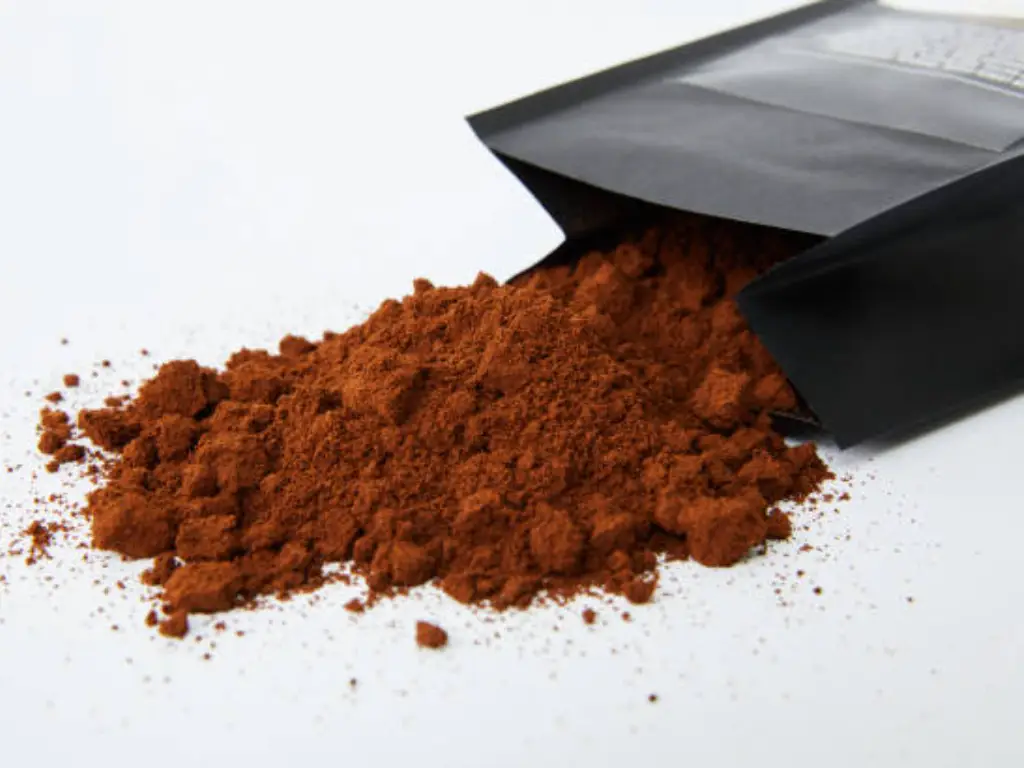
To truly understand the rigorous requirements of coffee packaging, we must first examine the physical chemistry of the product itself. Instant coffee—particularly premium freeze-dried powder—behaves essentially like a microscopic, highly dehydrated sponge. Due to its extreme hygroscopic properties, the powder is in a constant state of desperation to absorb any available moisture from the surrounding environment. In industrial manufacturing, the water activity (aw) of premium instant coffee is strictly controlled, usually maintaining a highly sensitive baseline of 0.2 to 0.3 to preserve both its structural integrity and volatile flavor compounds.
When the flexible packaging barrier contains even a microscopic compromise, the ambient environment immediately infiltrates the container. This infiltration triggers a devastating dual-disaster for the brand. The first phase is caking, where the powder aggressively absorbs water vapor, binding the particles together until they form a rock-hard solid that cannot be dissolved. The second phase is staling, an oxidative process where oxygen penetrates the film and reacts with the delicate coffee lipids, resulting in a rancid, sour taste profile. In the rigorous landscape of B2B supply chains and global distribution, your chosen packaging material serves as the definitive engineering shield. It is the absolute frontline of defense that prevents these chemical reactions and protects your bottom line from catastrophic retail rejection.
Anatomy of a Coffee Wrapper: Peeling Back the Multi-Layer Laminates
Attempting to protect highly hygroscopic products with single-layer commodity plastics is an engineering impossibility. The industry standard across modern coffee co-packing facilities relies exclusively on multi-layer laminates. This highly engineered “sandwich structure” ensures that each microscopic layer performs a specific, non-overlapping mechanical or chemical task.
The Outer Layer: Printing and Protection (PET/BOPP)
Functioning as the resilient exterior skin of the pouch, the outermost layer is tasked with far more than simply carrying the printed brand logo. It must provide essential puncture resistance and mechanical strength to protect the incredibly fragile barrier films buried beneath it. Furthermore, the material choice here dictates the tactile and visual consumer experience. When a brand requires a premium, soft-touch matte finish that communicates luxury, packaging engineers typically specify Matte BOPP (Biaxially Oriented Polypropylene). Conversely, if the design demands a high-gloss, vibrant shelf presence with exceptional scuff resistance, PET (Polyethylene Terephthalate) becomes the material of choice.
The Middle Layer: The Ultimate Barrier (ALU/VMPET/EVOH)
Buried securely beneath the protective outer skin lies the core armor of your packaging. This middle layer contributes nothing to the aesthetics of the pouch, but it is the sole factor deciding whether water vapor and oxygen can penetrate the environment. Selecting this layer requires a careful balance of barrier performance and financial modeling.
| Barrier Material | Water Vapor & Oxygen Barrier | Relative Cost Multiplier |
|---|---|---|
| VMPET (Metallized PET) | Moderate to Good | 1.0x (Industry Baseline) |
| ALU (Pure Aluminum Foil) | Below Detectable Limits (Near Zero) | 1.5x – 2.0x |
| EVOH (Ethylene Vinyl Alcohol) | Excellent (Requires strict co-extrusion) | 2.0x – 2.5x |
For premium instant coffee, pure aluminum foil (ALU) remains the gold standard, typically utilized at a precise thickness of 7 to 9 microns to prevent manufacturing ruptures. While amateur specifications often claim aluminum offers “absolute zero” transmission, seasoned engineers understand the concept of pinholing—microscopic defects inherent to the aluminum rolling process. Therefore, the barrier is more accurately classified as performing below detectable limits. Furthermore, when evaluating transparent high-barrier options like EVOH, one must account for its fatal flaw: its polymer chains absorb moisture rapidly, causing its oxygen barrier to crash. In real-world applications, EVOH is never used alone; it is strictly encased within a sandwiched co-extrusion structure (such as PE/Tie/EVOH/Tie/PE) to shield it from ambient humidity.
The Inner Layer: Food Safety and Heat Sealing (PE/CPP)
The innermost layer serves as the crucial sealing adhesive for the entire package. It is strictly mandated to be food-grade, as it maintains direct contact with the coffee powder. Its primary mechanical function is to melt predictably under the extreme heat and pressure of the packaging machine’s sealing jaws, creating an impenetrable hermetic weld. PE (Polyethylene) dominates the industry for Vertical Form Fill Seal (VFFS) applications due to its outstanding low-temperature heat-sealing capabilities. While CPP (Cast Polypropylene) offers superior high-temperature resistance, it is generally reserved for products requiring post-packaging retort sterilization, making PE the definitive choice for standard instant coffee.
Pure Aluminum vs. Metallized Film: The Hidden Trap of Flex Cracking
One of the most catastrophic errors made by procurement teams is the blind substitution of pure aluminum foil (ALU) with metallized film (VMPET) in an attempt to optimize material costs. At a glance, the Technical Data Sheet (TDS) provided by film suppliers will show that flat, uncreased VMPET exhibits excellent barrier properties. VMPET is simply a standard plastic film that has been subjected to a vacuum process, depositing a microscopic layer of vaporized aluminum atoms onto its surface.
The Gelbo Flex Test Reality
The illusion of VMPET’s performance is violently shattered during the actual packaging process. As the rollstock is pulled through a high-speed VFFS machine and aggressively folded around the stainless-steel forming collar, the incredibly fragile layer of aluminum atoms fractures. This phenomenon, verifiable through standard Gelbo Flex Testing, creates thousands of micro-cracks across the folds. Once creased, the barrier properties of VMPET experience an exponential collapse, allowing oxygen and moisture to bypass the shield and turn your freeze-dried coffee into solid clumps within a matter of weeks.
From Stick Packs to Stand-Up Pouches: Picking the Right Format
Translating theoretical material science into commercial reality requires aligning your film’s physical properties with the specific format of your product line. Different packaging geometries exert entirely different mechanical stresses on the material.
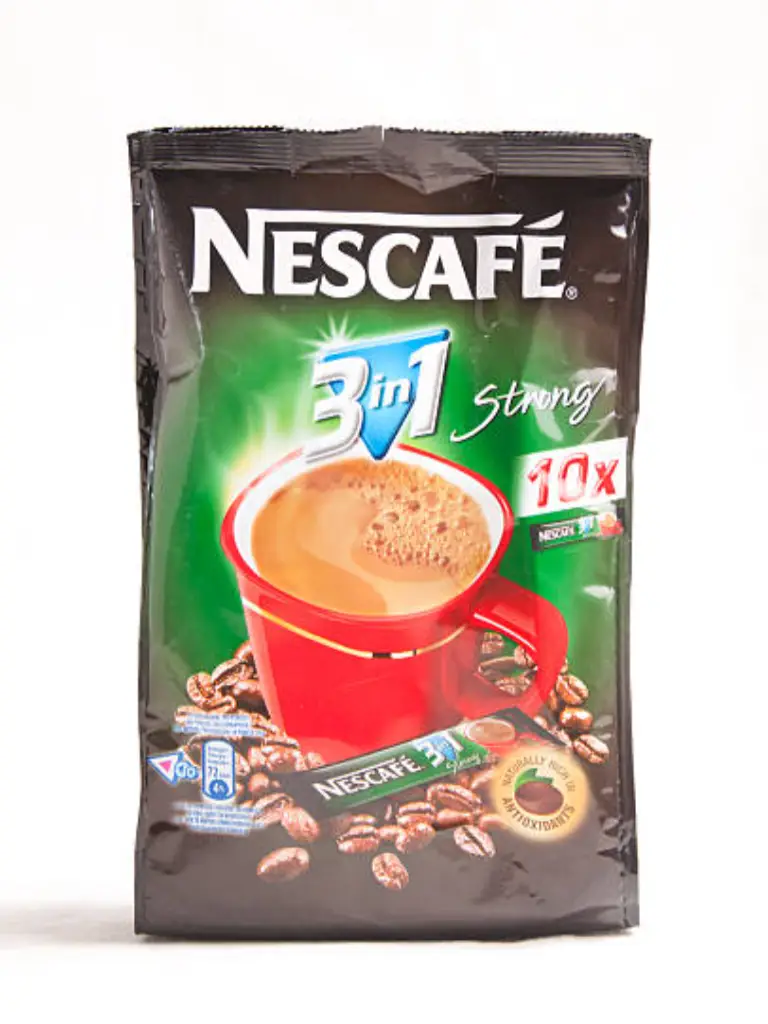
For cost-effective 3-in-1 coffee mixes, stick packs represent the optimal flexible format, saving up to thirty percent in film material compared to traditional four-side seal sachets. Because stick packs are designed for immediate, on-the-go consumption, the crucial mechanical parameter here is tear propagation. The film must possess precisely calibrated tensile strength—strong enough to survive the violent pulling forces of multi-lane packaging machinery without snapping, yet engineered to tear smoothly when the consumer opens it without requiring scissors.
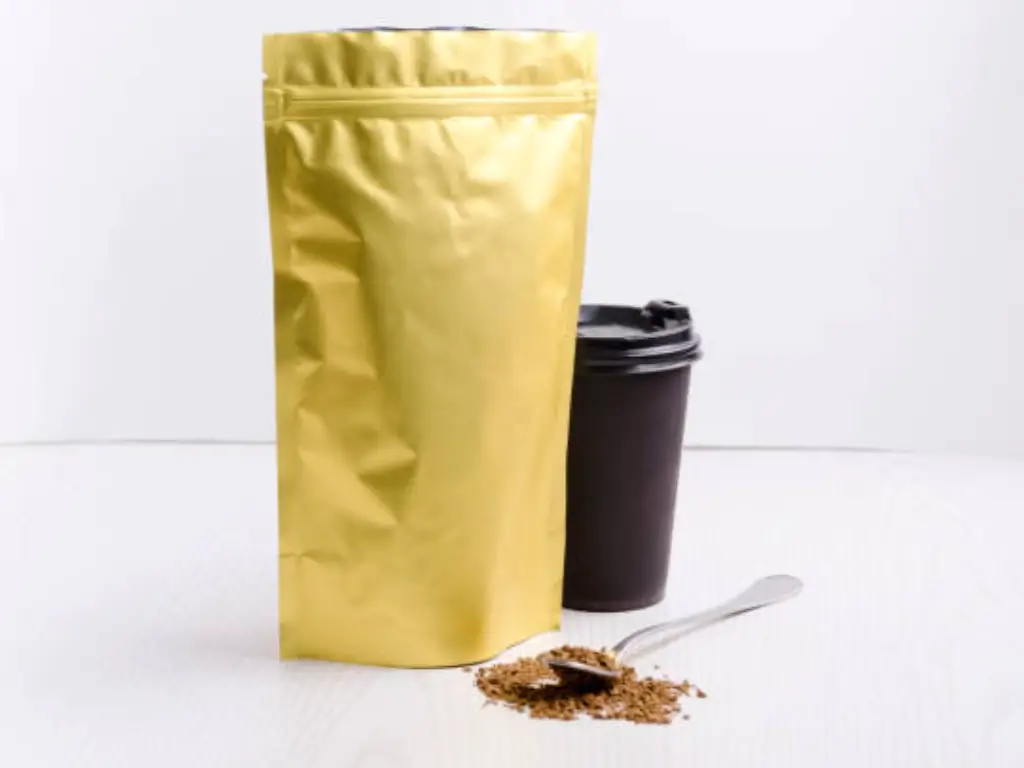
Conversely, when co-packing bulk or family-sized instant coffee, stand-up pouches are the undisputed standard in flexible packaging. The engineering priority shifts entirely away from easy tearing toward structural stiffness. A stand-up pouch must maintain a rigid posture on the retail shelf without collapsing under the weight of the powder inside. To achieve this, packaging engineers must significantly increase the thickness of the outer PET layer or integrate specialized rigid laminates into the structure.
Beyond flexible films, rigid containers—such as tinplate cans, aluminum containers, and sustainable composite paper tubes—represent a massive and highly profitable segment of the premium instant coffee market. Rigid packaging provides ultimate physical protection against crushing during transit and commands a premium visual presence on retail shelves. However, a can is only as effective as its closure system. For highly hygroscopic freeze-dried coffee, engineers must implement a rigorous dual-protection strategy. Advanced canning lines, such as Saneu’s dedicated powder canning equipment, execute a precise “sealing plus capping” process. This applies a hermetic peel-off foil seal directly to the rim before snapping on an outer plastic lid, guaranteeing absolute moisture exclusion even after the consumer breaks the initial seal, while utilizing high-grade seaming rollers capable of handling up to 100 million cans in their lifecycle.
Machine Compatibility: How Your Packaging Behaves on the Production Line
Investing heavily in premium high-barrier laminates is a futile endeavor if the material fails to harmonize seamlessly with your automated packaging machinery. A severe mismatch between material physics and machine mechanics leads to constant film jamming, compromised seals, and unacceptable production downtime.
Coefficient of Friction (COF): Ensuring Smooth Running
The Coefficient of Friction (COF) is a critical metric that dictates exactly how the film glides through the complex pathway of a packaging machine. For multi-layer laminates, the requirements for the inner and outer surfaces are entirely contradictory. The outer layer must exhibit a low COF, meaning it needs a high degree of slip to glide effortlessly over the stainless-steel forming collar. If it grips too tightly, the machine will stretch and distort the branding. Conversely, the inner layer must possess enough friction, or grip, ensuring that the machine’s pull belts can securely grab the film without slipping, which is essential for accurate cutting and registration.
Low-Temperature Heat Sealing: Preventing Leaks at High Speeds
During high-speed continuous packaging, the sealing jaws may compress the film for a mere fraction of a second. Within this tiny window, the Seal Initiation Temperature (SIT) of the inner polyethylene layer becomes the most critical factor. The inner layer must reach its melting point almost instantly to fuse the layers together. If the material’s SIT is too high, or if the machine fails to deliver heat fast enough, the result is the formation of microscopic, invisible gaps in the seal—the dreaded micro-leaks that quietly destroy the coffee’s shelf life long after it leaves the facility.
The Recyclability Challenge: Balancing Eco-Friendly Materials with High Barriers
Modern coffee brands are currently navigating a severe regulatory paradox. The most effective barrier structures—the proven combinations of PET, aluminum, and PE—are fundamentally unrecyclable due to their multi-material nature. In response to global ESG initiatives, the cutting-edge compromise is the transition to Mono-material Solutions. By utilizing MDO-PE (Machine Direction Oriented Polyethylene) coated with a high-density EVOH layer, engineers have created a structure that qualifies as fully recyclable polyethylene while maintaining respectable barrier properties.
However, adopting MDO-PE introduces a brutal reality on the factory floor: a frighteningly narrow sealing window. Unlike robust traditional laminates, eco-friendly MDO-PE films often possess a temperature tolerance margin of merely three to five degrees Celsius. If the packaging machine’s sealing jaws run slightly too hot, the mono-material distorts, shrinks, or burns completely through. If the temperature drops slightly, the seal fails to fuse, resulting in immediate leaks.
Conquer Sustainable Films with Absolute Thermal Precision
The ultimate bottleneck for sustainable coffee packaging doesn’t lie in the film factory; it lies in the thermal accuracy of your packaging machine. Saneu’s VFFS Packaging Lines are engineered to eradicate this exact variable.
- Standardized with top-tier Siemens, Schneider, and Omron PID temperature controllers for zero-deviation heat sealing.
- Perfectly handles the narrow sealing windows of MDO-PE and compostable laminates.
- Backed by a comprehensive 2-Year Warranty and global rapid-response technical support.
Request a Free Film Sealing Evaluation on Our VFFS
Send us your rollstock. Our engineers will test its machinability and sealing integrity to guarantee zero micro-leaks.
How to Choose the Right Instant Coffee Packaging Material
Selecting the ideal laminate structure or rigid container should not be based on trial and error. Procurement teams and brand managers must utilize a sequential, engineering-driven framework to lock in the correct material specification.
First, objectively assess the chemical sensitivity of your specific extract. Premium freeze-dried coffees and micro-ground specialty blends have exceptionally low moisture tolerances, mandating the use of pure aluminum (ALU) structures or hermetically sealed tinplate cans. Conversely, standard agglomerated 3-in-1 mixes—which are heavily buffered by sugars and non-dairy creamers—can often achieve their target shelf lives using more economical, high-barrier metallized films (VMPET).
Next, evaluate your distribution geography and corporate sustainability goals. If your product is destined for long transit times or export to high-humidity tropical climates, uncompromising barrier properties must override all other concerns. However, if your target demographic demands strict ESG compliance and your supply chain is localized, pivoting toward mono-material recyclable structures like MDO-PE becomes a viable strategy. Finally, never decouple your material selection from your machinery’s capabilities. The ultimate choice must always be validated by running a physical sample on your designated packaging equipment to verify the coefficient of friction and seal initiation temperature under real-world stress conditions.
Testing Your Packaging: Key Metrics (OTR/WVTR) You Need to Ask For
In the highly technical realm of B2B packaging procurement, relying on a supplier’s verbal assurances or marketing brochures is a recipe for disaster. When evaluating prospective instant coffee packaging materials, you must demand the official Technical Data Sheet (TDS) and rigorously verify the standardized testing metrics.
First, scrutinize the Water Vapor Transmission Rate (WVTR). Insist that the data is generated strictly under the ASTM F1249 standard. For hygroscopic coffee products, you should target an aggressively low transmission value. Secondly, verify the Oxygen Transmission Rate (OTR), ensuring the figures are derived from the ASTM D3985 testing protocol. Finally, understand that flat-film data is only theoretical. The ultimate truth lies in the finished, converted pouch. You must mandate underwater vacuum chamber tests—commonly known as bubble tests—on pouches that have actually been run and sealed by your specific VFFS machinery, proving that the seals hold under immense physical stress.
Conclusion
Navigating the complexities of instant coffee packaging material requires far more than aesthetic considerations; it demands a rigorous, uncompromising approach to material science and mechanical engineering. From understanding the catastrophic effects of flex cracking on metallized films to balancing the tight thermal tolerances of modern recyclable mono-materials, every decision impacts the final quality of the coffee in the consumer’s cup. By prioritizing pure aluminum barriers for premium lines, matching film slip characteristics to your automated machinery, and demanding standardized ASTM testing data, brands can virtually eliminate moisture-induced caking and oxidative staling. Ultimately, the synergy between high-performance laminate structures and precision-engineered packaging equipment is the true foundation of a profitable, scalable coffee business. Equip your production line with the right knowledge and the right machinery, and your product will consistently deliver the perfect, fresh brew.