Introduction
The single-serve coffee industry has evolved far beyond mere convenience. In today’s competitive B2B landscape, coffee roasters and co-packers face a dual challenge: maintaining a peak sensory profile for over 12 months while adhering to increasingly stringent global sustainability mandates. The choice of K-Cup packaging materials is no longer a secondary procurement task; it is a critical engineering decision that dictates your product’s shelf-life, production efficiency, and ultimate brand value. This guide deconstructs the multi-layered science of coffee pods, moving past surface-level descriptions to explore the technical interdependencies between high-barrier polymers, structural integrity, and the precision machinery required to seal them. Whether you are a high-volume manufacturer or a boutique roaster, understanding the synergy between material chemistry and equipment performance is the only way to ensure your capital expenditure (CAPEX) translates into consumer loyalty and a robust return on investment.
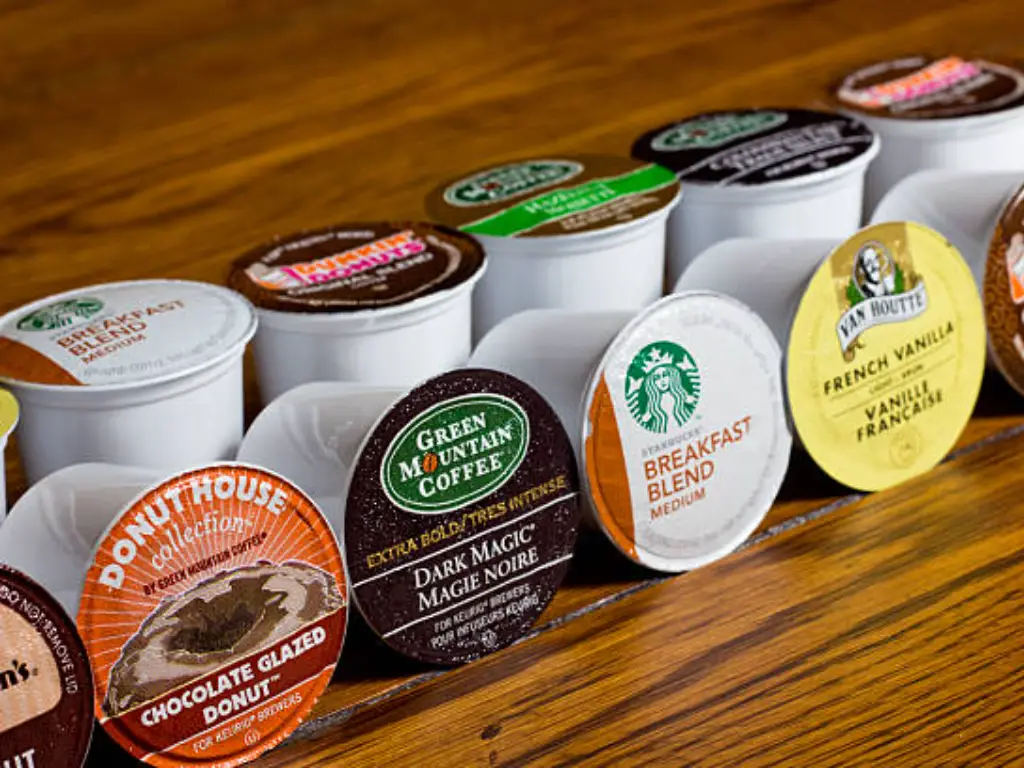
What Exactly Is a K-Cup Made Of?
At first glance, a K-Cup appears to be a simple plastic pod. However, in the eyes of a packaging engineer, it is a sophisticated, multi-component “controlled environment.” Every pod is a micro-system designed to withstand the physical stresses of a 19-bar extraction while protecting the volatile aromatic compounds within the coffee grounds from their primary enemies: oxygen, moisture, and light. A standard K-Cup comprises a rigid outer cup body, a non-woven filter, a multi-layer lidding film, and an internal atmosphere often enriched with high-purity nitrogen.
The synergy between these components is paramount. For instance, the outer cup must provide sufficient hoop strength to prevent deformation under heat, while the lidding material must offer a precise burst pressure. Understanding the specific polymer grades and mechanical properties of each layer is the first step toward optimizing your packaging line for both quality and cost-effectiveness.
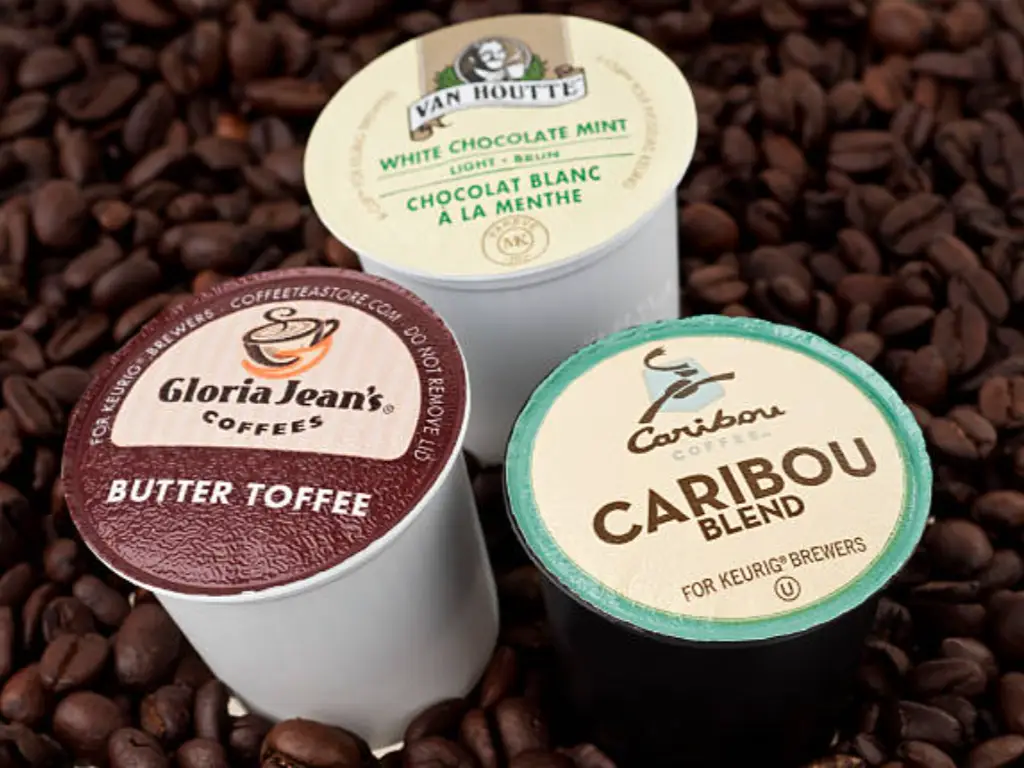
The Cup Body: Choosing Between PP and Compostable Plastics
The outer shell of the K-Cup is its primary structural defense. Choosing the right polymer grade is a delicate balance between barrier performance, heat resistance, and environmental impact. In the modern market, the decision usually splits between established high-performance plastics and emerging eco-alternatives.
Standard #5 Polypropylene (PP) Pods
Polypropylene (PP) has long been the backbone of the coffee capsule industry. Its dominance is driven by its exceptional thermal stability, with a melting point exceeding 160°C, ensuring that the pod remains inert and structurally sound when exposed to near-boiling water. From a B2B perspective, #5 PP is favored for its chemical resistance and its relatively low water vapor transmission rate (WVTR). However, not all PP cups are created equal. High-tier pods utilize a multi-layer co-extrusion process where the PP serves as the structural carrier for inner barrier layers like EVOH.
Compostable and Bio-based Materials
As consumer demand for sustainability skyrockets, materials like Polylactic Acid (PLA) and PBS (Polybutylene succinate) have entered the fray. These materials are derived from renewable resources and are designed to break down in industrial composting facilities. While they offer a significant marketing advantage, they present unique challenges on the factory floor. Bio-based plastics often have a narrower “heat-sealing window” and lower moisture barrier properties compared to PP. Roasters adopting these materials must ensure their packaging equipment features high-precision temperature control to prevent warping or sealing failure.
Lidding Materials: Foil vs. Plastic Seals
The lid serves as the final seal of the pressure vessel. Traditionally, aluminum foil lids have been the standard due to their “absolute barrier” properties, effectively offering a near-zero Oxygen Transmission Rate (OTR). However, the rise of recyclable pods has pushed the development of mono-material plastic lids (PP-based) and easy-peel laminates.
| Material Type | OTR (cc/m²/day) | Barrier Efficiency | End-of-Life Benefit |
|---|---|---|---|
| Aluminum Foil (Alu/PP) | < 0.01 | Ultimate protection against light & O2 | Requires separation for recycling |
| High-Barrier Plastic Film | 0.5 – 2.0 | Excellent for medium-term shelf life | Can be co-recycled with PP cup |
| Paper-based Laminate | Variable | Eco-friendly aesthetics | Compostable potential |
For B2B manufacturers, the choice often hinges on the “Easy-peel” technology. An easy-peel lid allows the consumer to remove the lid and filter from the cup effortlessly, facilitating the recycling of the #5 plastic pod. Without this feature, the entire unit is often rejected by automated sorting facilities at recycling centers, rendering the “recyclable” claim moot in practice.
Why the Filter Paper Matters More Than You Think
In the high-pressure environment of a coffee brewer, the filter paper acts as more than a sieve it is a pressure regulator. If the filter material is poorly specified, it can lead to catastrophic production issues or a degraded consumer experience. The focus here is on two critical engineering aspects: structural integrity and extraction physics.
Structural Integrity and Puncture Resistance
A common misconception is that a “dense” filter is always better for flavor. However, from a manufacturing standpoint, an overly dense paper increases Back-pressure. When the Keurig’s pump forces water into the pod, high back-pressure can exceed the structural limit of the heat seal, causing the lid to burst or creating an internal bypass where water flows around the filter rather than through it. The paper must possess a high “wet strength” to withstand the puncture of the bottom needle without tearing, which would lead to a cup full of sediment.
Impact on Flavor Extraction
The porosity of the filter paper directly dictates the flow rate and the Total Dissolved Solids (TDS) in the cup. Non-woven materials are typically used for their consistent pore size distribution. For roasters, selecting the right GSM (Grams per Square Meter) is essential to balance the retention of coffee oils (crema) while preventing fine particulates from passing through. This selection must be validated through “Flow Rate” testing on the actual packaging line to ensure consistency across millions of units.
Keeping It Fresh: Oxygen Barriers and EVOH Layers
True long-term freshness meaning a shelf life of 12 to 18 months is impossible with single-layer plastic. Oxygen molecules will eventually migrate through the polymer matrix, oxidizing the delicate oils in the coffee. To solve this, advanced K-Cups utilize 7-layer or 9-layer co-extrusion technology, where a thin layer of EVOH (Ethylene Vinyl Alcohol) is sandwiched between layers of PP. This reduces the OTR by over 1000 times compared to standard pods.
The “ROL” Standard: Moving Beyond Nitrogen Purity
While most competitors boast about “99.9% nitrogen purity,” packaging engineers know that Residual Oxygen Level (ROL) is the only metric that matters. Even with pure nitrogen, if your sealing process isn’t precise, the oxygen trapped inside the pod can remain as high as 5%.
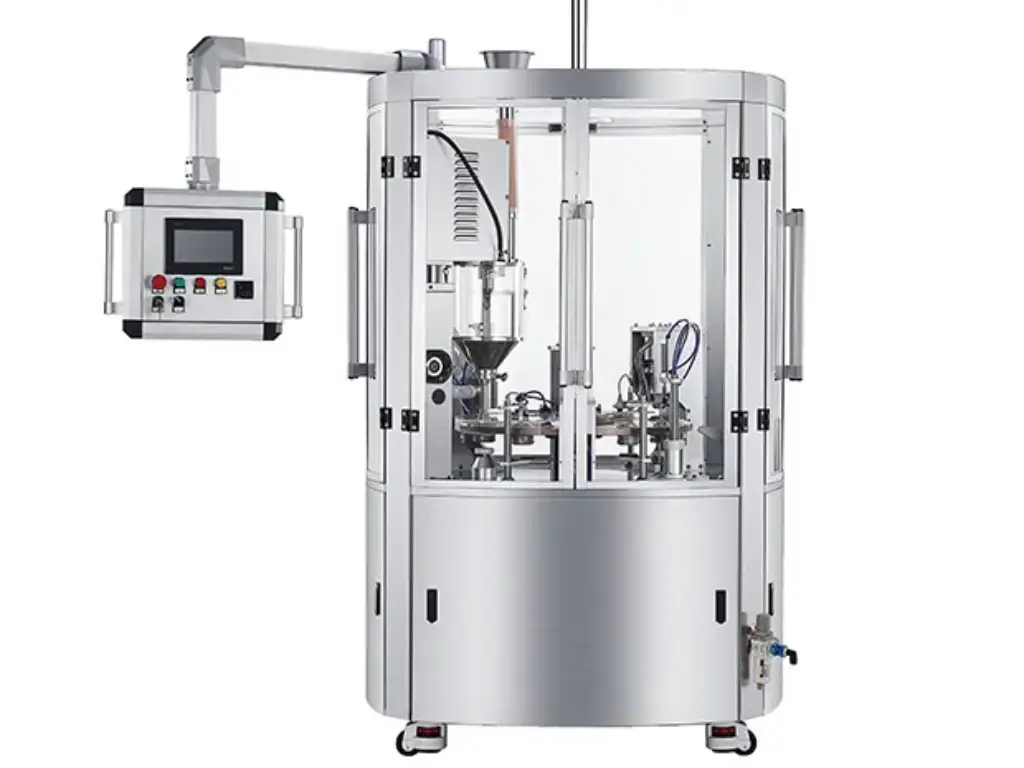
- Precision ROL Control: Saneu’s rotary filling and sealing machines consistently achieve an ROL of 1% to 2% inside the sealed pod.
- German Quality Verification: We utilize specialized Oxybady testing equipment to ensure that every seal is airtight and every pod meets the highest barrier standards.
By focusing on the ROL rather than just the gas supply, roasters can ensure that the investment in high-barrier EVOH materials isn’t wasted by a sub-par sealing process. It is the combination of material barrier and mechanical precision that creates a “vault” for your coffee’s flavor.
The Sustainability Shift: Recyclable vs. Compostable Pods
Sustainability is no longer a niche preference; it is a regulatory requirement. However, the path forward is complex. The industry is currently split between two major philosophies: the circular economy (recyclable #5 PP) and biological recovery (industrial compostable materials). Each path requires a different material strategy and, crucially, a different approach to machinery.
Saneu equipment is designed with this flexibility in mind. Our machines are built to handle the unique mechanical properties of compostable PLA and the high-speed requirements of recyclable PP, allowing your brand to pivot as market regulations evolve without replacing your entire production line.
How to Choose the Right Materials for Your Coffee Brand
Choosing the right materials involves a complex calculation of unit cost, shelf-life requirements, and capital equipment capabilities. A mistake in this phase can lead to “burst pods” during shipping or widespread consumer complaints about stale coffee.
Optimize Your CAPEX to Invest in Better Materials
At Saneu, we believe your budget should go into what the customer tastes. By maintaining a 30% more efficient CAPEX structure without sacrificing top-tier global components like Siemens and Schneider we enable roasters to reallocate funds effectively.
The TCO Advantage: Use the savings from Saneu machinery to upgrade from single-layer pods to 9-layer EVOH co-extrusion or high-end compostable filters. The result? A superior product that commands a premium price.
- Free Compatibility Testing: Don’t guess. Send us your materials for a 4-step customized trial.
- Expert Consultation: 12+ years of experience helping 100+ coffee brands worldwide.
Ultimately, the best material choice is one that has been validated through rigorous testing. Saneu offers a “Decision Safety Net” by inviting roasters to mail their cup, lid, and filter samples to our lab for comprehensive sealing, pressure, and ROL testing before a single machine is ordered.