Introduction
Stepping into the modern coffee industry, procurement managers quickly realize that buying packaging is rarely about selecting a visually appealing bag or a sleek rigid container. Fundamentally, you are investing in an invisible fortress of barrier materials. The specialty coffee market has evolved, and consumer palates are more sensitive than ever to staling, oxidation, and flavor degradation. Therefore, understanding the underlying polymers, foils, and bio-resins is no longer just a technical necessity—it is the cornerstone of your brand’s operational profitability and market reputation. This comprehensive guide strips away the marketing jargon to explore the raw material science behind coffee preservation. We will navigate through the intricate ecosystems of flexible laminates, rigid metals, and single-serve pods, ultimately bridging the critical gap between cutting-edge sustainable materials and the mechanical reality of your factory’s production line.
The Anatomy of Coffee Protection: Why Material Science Matters
From the exact moment coffee leaves the roasting drum, it transforms into a highly volatile, living organism that is under constant siege by four elemental enemies: oxygen, moisture, ultraviolet light, and internal carbon dioxide buildup. The Specialty Coffee Association (SCA) often references the “Rule of 15” to illustrate this extreme fragility. Exposed to ambient air, roasted coffee loses a significant portion of its volatile aroma compounds within fifteen minutes, and without proper barrier protection, it oxidizes into complete staleness within fifteen days.
To engineer a defense against this rapid degradation, packaging material science relies on exact industrial benchmarks rather than vague promotional claims. Engineers evaluate films based on two primary metrics: Oxygen Transmission Rate (OTR) and Water Vapor Transmission Rate (WVTR). For context, a high-performance pure aluminum foil (ALU) achieves an astonishing OTR of less than 0.1 cc/m²/24h, creating a near-perfect vacuum environment. In contrast, standard metallized polyester (VMPET) typically offers an OTR between 1.0 and 2.0 cc/m²/24h, which is sufficient for general retail but behaves entirely differently under prolonged storage.
Furthermore, different physical states of coffee demand entirely different material baselines. Whole beans, ground coffee, and liquid cold brew each interact with the environment in unique ways, making universal packaging solutions impossible. Below is a definitive material selection matrix based on the coffee’s physical state:
| Coffee Physical State | Critical Vulnerability Profile | Optimal Material Matrix Strategy |
|---|---|---|
| Whole Bean | High CO2 off-gassing combined with moderate susceptibility to oxidation. | VMPET multi-layer laminates or Tinplate containers, strictly requiring degassing capabilities. |
| Ground Coffee | Extreme oxidation risk due to an exponentially larger exposed surface area. | Pure ALU foil laminates, rigid Aluminum pods, or PP cups with an EVOH co-extruded barrier. |
| Liquid / Cold Brew | High risk of leakage and severe UV light degradation destroying coffee lipids. | Aluminum cans, amber-tinted glass, or UV-blocking thick-walled PET. |
Flexible Packaging Materials: The Polymer and Foil Ecosystem
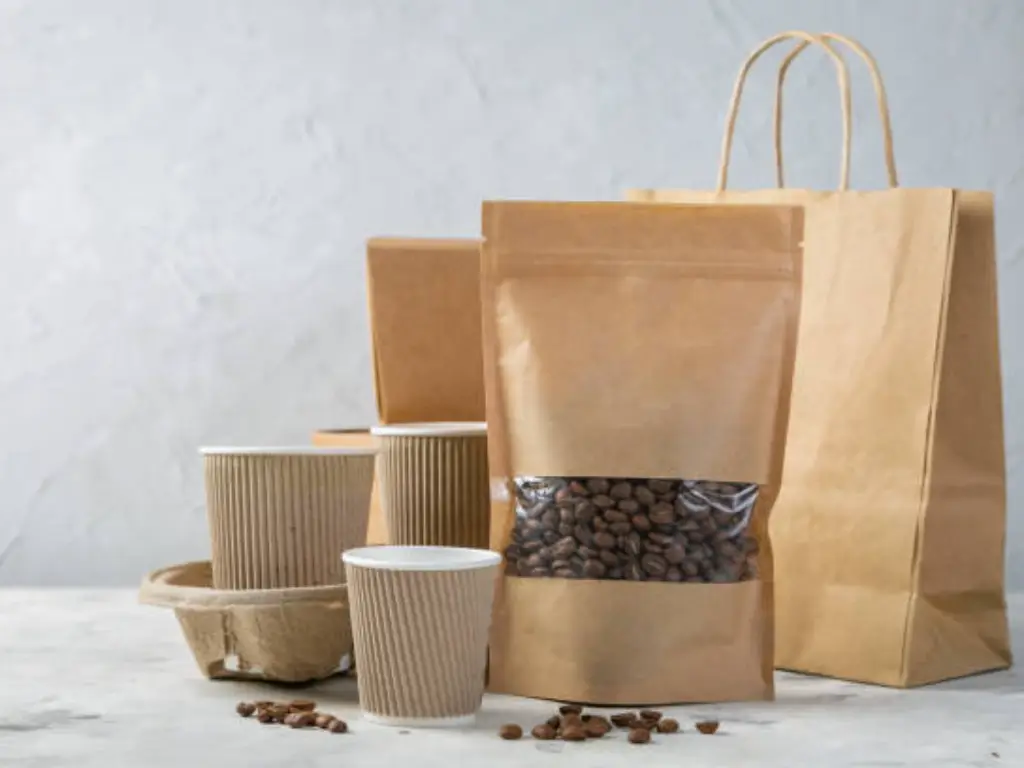
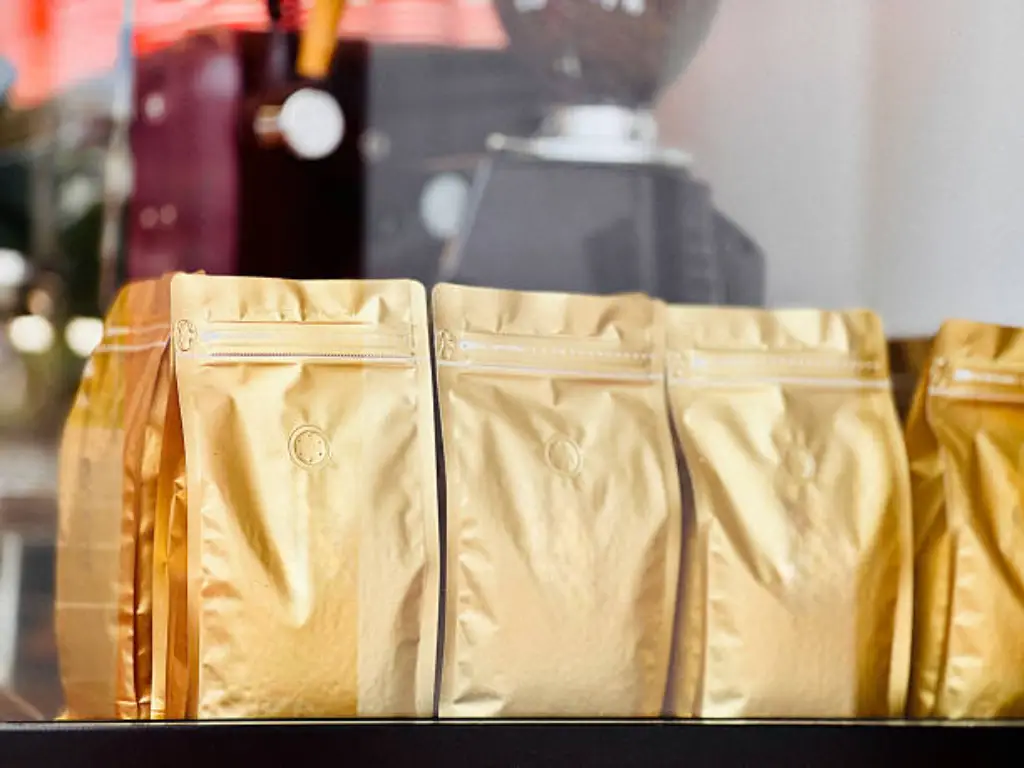
Flexible pouches remain the dominant choice for over eighty percent of coffee roasters worldwide. However, a commercially viable coffee bag is never constructed from a single sheet of plastic. It is a highly engineered, multi-layer laminate that functions much like a tactical winter jacket, utilizing specific strata for distinct protective purposes.
A classic, high-performance industrial laminate structure typically consists of three distinct layers. The outermost layer is usually a 12µm PET film, providing excellent tensile strength and a flawless canvas for high-resolution printing. The inner core is the true barrier layer—often a 7µm pure aluminum foil (ALU) or a 12µm metallized PET (VMPET) film. Finally, the innermost layer that touches the coffee is typically a 60µm Low-Density Polyethylene (LDPE) film, chosen for its food safety and its ability to melt precisely to form a hermetic heat seal.
The engineering debate often centers on the middle layer. While pure aluminum offers an OTR near zero, it suffers from a mechanical vulnerability known as “pinholing.” Sharp folds or aggressive handling during transit can create micro-cracks in the metal, subtly compromising the barrier. VMPET, while allowing a microscopic amount of oxygen transfer, offers far superior flexural endurance, making it ideal for rigorous e-commerce shipping networks.
Rigid Container Materials: Tinplate, Aluminum, and Glass Jars
For high-premium whole beans, specialty instant coffees, and ready-to-drink cold brews, rigid materials offer absolute physical defense and unmatched shelf presence. Tinplate and pure aluminum cans act as ultimate fortresses. When these metals are combined with Modified Atmosphere Packaging (MAP)—a process that flushes the container with nitrogen to displace ambient air—they can lock out oxygen completely, extending the shelf life of the product indefinitely.
However, there is a critical, often fatal misunderstanding regarding the physics of rigid containers in the coffee industry. You absolutely cannot completely seal freshly roasted whole beans inside a rigid metal can. Fresh coffee off-gasses massively; a single kilogram of freshly roasted beans can release between six to ten liters of carbon dioxide over a few weeks. If you place fresh beans into a completely sealed MAP tinplate or aluminum can without a pressure-release mechanism, the extreme internal pressure will cause the bottom of the can to bulge violently, or in severe cases, physically explode on the shelf. Therefore, even the most impenetrable metal cans intended for whole beans must integrate a micro-degassing valve on the base or within the easy-peel lidding film.
Additionally, procurement teams must carefully calculate the hidden tax of rigid materials: the cost of shipping air. Transporting empty, un-nestable metal or glass containers significantly inflates logistics costs compared to flat flexible film rolls. If opting for transparent rigid containers like glass or PET, brands must also invest in amber tinting or chemical UV-blockers to prevent rapid light degradation of the coffee’s delicate lipid structure.
Capsule & Pod Materials: Thermoformed Plastics, EVOH, and Aluminum
As consumer habits shift towards convenience, the single-serve pod sector—encompassing K-Cup and Nespresso-compatible formats—has become a microscopic battleground for material science. Protecting just ten to fifteen grams of highly volatile ground coffee inside a tiny cup requires extreme engineering precision, as ground coffee oxidizes exponentially faster than whole beans.
The market faces a stark divide in material quality. Inexpensive, single-layer Polypropylene (PP) plastic capsules offer virtually zero resistance to oxygen penetration. Ground coffee housed inside a pure PP cup will become completely stale within fourteen days, destroying the brand experience. The life-saving engineering solution for plastic pods is the Ethylene Vinyl Alcohol (EVOH) co-extruded layer. High-end thermoformed plastic capsules utilize a sophisticated PP/EVOH/PP sandwich structure. Though this EVOH core is only a few microns thick, it acts as an invisible, impenetrable shield, drastically dropping the OTR and locking in freshness for up to twelve months.
Alternatively, the classic Nespresso-style approach bypasses plastic entirely, utilizing pure aluminum’s absolute barrier properties. While aluminum guarantees zero oxygen transmission, it necessitates complex, closed-loop recycling systems to mitigate environmental concerns.
Active Freshness Components: Valves, MAP Seals, and Lidding Films
An impenetrable packaging material is useless if the entry and exit points are compromised. Independent of the main structural polymer or metal, dynamic gas-management components are what finalize the hermetic seal and ensure long-term freshness.
For flexible bags and whole-bean rigid containers, the one-way degassing valve is the silent hero. Far from a simple piece of plastic, a high-quality valve consists of a High-Density Polyethylene (HDPE) structural base, a highly sensitive silicone membrane, and a precise drop of sealing fluid. It is meticulously calibrated to open only when internal pressure reaches 2 to 5 mbar, venting accumulated carbon dioxide while acting as an absolute wall against external oxygen infiltration.
In the realm of capsules and rigid cans, the engineering focus shifts entirely to lidding films. For MAP-flushed metal cans, aluminum peel-off foils must be robust enough to maintain the nitrogen seal under fluctuating atmospheric pressures. For single-serve capsules, the lidding film presents a complex material compromise. It requires a perfectly calibrated peel strength to thermally weld to the rim of the cup without leaking, yet the aluminum or non-woven composite must remain brittle enough to be pierced cleanly by the coffee machine’s extraction needles. A film that is too tough will tear unevenly or clog the machine’s filter, ruining the extraction.
The Sustainability Minefield: Navigating Eco-Friendly Material Claims
The global push towards sustainable packaging has placed immense pressure on B2B buyers. However, navigating the landscape of eco-friendly materials is fraught with legal and public relations risks. Applying the term “biodegradable” loosely on packaging can invite heavy regulatory fines, particularly in strictly governed markets like California. Sourcing requires precise differentiation between recyclable structures and compostable biomaterials.
Mono-Material Structures (Recycle-Ready Plastics)
Traditional multi-layer laminates (such as PET/ALU/PE) are an environmental nightmare because the disparate materials are permanently bonded and cannot be separated by recycling facilities. The most mature and pragmatic industrial solution today is the Mono-Material polymer structure. By utilizing Machine Direction Oriented PE (MDO-PE) laminated to a standard LDPE sealing layer, the entire coffee bag falls uniformly under the #4 recycling code. By applying ultra-thin, specialized barrier coatings to this single polymer type, manufacturers can achieve high OTR protection while ensuring the packaging seamlessly enters standard municipal single-stream recycling systems.
Industrial vs. Home Compostable Biomaterials (PLA/PHA)
Compostable materials present a different set of challenges. The primary bio-based material adopted in coffee packaging is Polylactic Acid (PLA), derived from fermented plant starch. A critical warning for procurement teams: PLA does not magically degrade in a backyard compost pile, soil, or the ocean. It strictly requires industrial composting conditions—specifically sustained temperatures over 60°C alongside targeted microbial activity—as dictated by ASTM D6400 standards. Mislabeling PLA as generally “biodegradable” misleads consumers. Only highly specialized PHA polymers or advanced cellulose films currently meet the rigorous certifications required to be labeled as truly home compostable.
Surface Materials and Printing Finishes
The outermost layer of your coffee packaging dictates not only mechanical durability but also shelf impact and retail conversion rates. Different material substrates possess varying surface tensions, which radically alters how ink is absorbed and displayed.
Printing on a smooth, high-energy PET film is akin to printing on glossy photo paper. It handles high-line-screen rotogravure printing flawlessly, enabling photorealistic imagery, sharp gradients, and vibrant color matching. Conversely, printing on raw, uncoated kraft paper is like painting watercolors on a rough cardboard box. The ink bleeds heavily into the natural fibers, often requiring designers to compromise with solid vector color blocks rather than intricate details.
For rigid formats, tinplate utilizes direct metal lithography, baking the ink directly into the metal for an inherent premium luster that paper labels cannot replicate. Across all formats, the application of tactile surface treatments—such as soft-touch coatings that provide a velvety feel, or spot UV varnishes applied over matte bases—creates physical contrast. This tactile engagement directly elevates the perceived value of the product before the consumer even tastes the coffee.
B2B Sourcing Strategy: Machinability and Material Costs
All theoretical material science ultimately crashes into reality on the factory floor. Evaluating advanced packaging materials requires a holistic view that calculates true financial risk, operational throughput, and mechanical compatibility.
Total Cost of Ownership (TCO) by Material Type
When transitioning to eco-friendly packaging, buyers often encounter a massive hidden cost bomb: physical material degradation. Unlike traditional aluminum or PE laminates, which can sit in a warehouse for years without issue, biomaterials like PLA have a strict, inherent physical shelf life—often limited to 6 to 12 months. Procurement managers who over-order PLA roll-stock or empty capsules to secure a lower Minimum Order Quantity (MOQ) price frequently discover their inventory self-embrittling in the warehouse. The catastrophic cost of scrapped, expired biomaterial often dwarfs the initial unit price savings, severely skewing the Total Cost of Ownership.
Packaging Machinery Compatibility (The Machinability Challenge)
For the vast majority of roasters, high-barrier flexible pouches represent the foundational business. However, as your brand attempts to scale upstream and capture a share of the highly profitable single-serve capsule (pods) market, new eco-friendly packaging materials will reveal their true operational fangs.
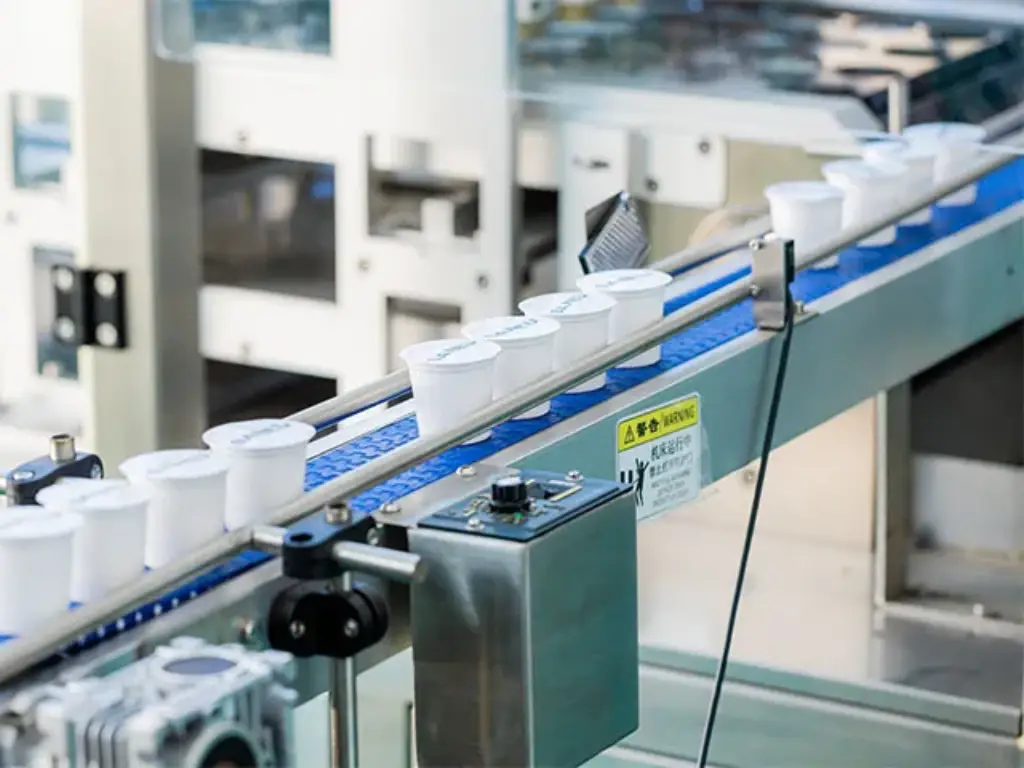
The lethal variable on the production line is the thermal sealing window. Traditional PP or PE capsules are highly forgiving, boasting a broad thermal sealing window with a 30°C to 40°C margin of error. In stark contrast, compostable PLA and advanced EVOH bio-films are incredibly delicate. Their sealing tolerance is incredibly narrow, typically spanning only 5°C to 10°C (often strictly locked between 130°C and 140°C). If you attempt to run these sensitive materials through older, mechanically imprecise sealing equipment, thermal drift will cause absolute disaster. Your line will suffer from severe under-sealing resulting in messy leaks, or immediate over-heating that burns straight through the lidding film, causing scrap rates to skyrocket.
The Saneu Rotary Capsule Sealing Machine
Overcoming the narrow thermal tolerances of sustainable materials requires industrial-grade precision. Saneu equipment is purpose-built to bridge the gap between advanced bio-polymers and high-yield production, ensuring your investment in premium materials isn’t wasted on the factory floor.
-
⚡
±0.1°C Thermal Mastery for PLA/EVOH
Driven by world-class Siemens and Schneider servo systems, Saneu achieves absolute thermal stability. It perfectly nails the ultra-narrow heat window of compostable bio-capsules and EVOH laminates, ensuring flawless, zero-leak hermetic seals on K-Cup, Nespresso, and Lavazza formats. -
🛡️
99.9% Extreme Nitrogen Flushing
While standard machines bottleneck at 99.5% N2, Saneu’s advanced gas flushing architecture (validated by German Oxybady testing standards) crushes residual oxygen limits, achieving an unprecedented 99.9% nitrogen saturation rate to lock in flavor longer. -
⚙️
30% Cost Efficiency & Aviation Hygiene
As a Top 5 Chinese packaging enterprise with 12 years of in-house manufacturing, Saneu integrates global premium components (Omron, SMC) with rust-proof aviation-grade aluminum. You receive Tier-1 European mechanical precision at a 30% lower capital expenditure.
Stop Risking Your Margins on Blind Material Testing
Ship us your eco-friendly capsules and lidding films. Our engineers will run them at maximum speed on Saneu production lines. Within 48 hours, we will deliver a comprehensive engineering report featuring your exact Thermal Sealing Curve parameters and a Destructive Airtightness Test Video. Validate your line compatibility with zero risk before committing to bulk material orders.
Conclusion
Selecting the right packaging materials for coffee in 2026 demands far more than an eye for design; it requires a rigorous understanding of barrier physics, chemical interactions, and sustainability compliance. Whether you are safeguarding whole beans in an engineered flexible laminate with a precision degassing valve, locking cold brew inside UV-blocking amber glass, or navigating the highly volatile thermal properties of PLA single-serve capsules, the material you choose is the final guardian of your roast profile. However, the most advanced polymer on earth is entirely worthless if your production equipment cannot handle it. By aligning your material sourcing strategy with cutting-edge, precision-controlled packaging machinery, you eliminate operational bottlenecks, slash scrap rates, and guarantee that every cup reaches the consumer exactly as the roaster intended.