Introduction
Transforming raw green coffee into a perfectly roasted, highly aromatic profile is an art that takes years to master. Yet, the harsh reality of the commercial supply chain is that all that artisanal effort can be completely undone within a matter of days if the final product is placed into substandard vessels. In the competitive B2B landscape of 2026, the packaging of coffee product has evolved far beyond simple aesthetics and branding. It is now a highly specialized engineering discipline that directly impacts your bottom line, return rates, and ultimate brand reputation.
Whether you are a boutique roaster scaling up to national distribution, or an industrial co-packer running high-speed capsule lines, understanding the exact intersection between material science and machinery compatibility is no longer optional. This comprehensive guide will strip away the marketing fluff and dive deep into the industrial realities of barrier properties, packaging formats, nitrogen flushing precision, and thermal sealing dynamics. Prepare to evaluate your packaging line not just as an expense, but as the ultimate guardian of your coffee’s integrity.
What Really Kills Coffee Flavor? (And How Packaging Stops It)
Every seasoned coffee roaster knows that a relentless race against time begins the exact moment the beans are discharged from the cooling tray. To build an effective defense strategy, you must first deeply understand your enemies. The three primary assassins of coffee freshness are oxygen, ambient moisture, and ultraviolet light. Without a scientifically engineered physical barrier, these elements will mercilessly decimate the delicate, volatile aromatic compounds of a premium specialty roast.
Based on extensive sensory studies aligned with the Specialty Coffee Association (SCA), freshly roasted coffee can lose upwards of 60% of its critical volatile aromatics within just a few days if left exposed to ambient oxygen. The oxidation of coffee lipids fundamentally alters the cup profile, introducing distinctly rancid and stale notes.
Consequently, the true essence of effective coffee packaging is constructing a highly controlled micro-climate chamber. When B2B procurement managers and packaging engineers evaluate materials, they rely heavily on two critical industrial metrics: Oxygen Transmission Rate (OTR) and Water Vapor Transmission Rate (WVTR). These figures represent the microscopic permeability of the film. An intelligently designed, high-barrier sealed environment will easily maintain your original cupping scores for many months. Conversely, a package with high OTR will turn a vibrant, 90-point Ethiopian Geisha into flat, lifeless grounds almost before it reaches the retail shelf.
Core Coffee Packaging Materials: Foil, Kraft, and Plastics
Before making decisions about the physical shape or visual design of your container, you must thoroughly evaluate its structural skin. Let’s break down the true physical properties of the most common composite materials utilized in the industry today, moving decisively past the visual illusions that frequently mislead inexperienced buyers.
The Gold Standard: Aluminum Foil and VMPET
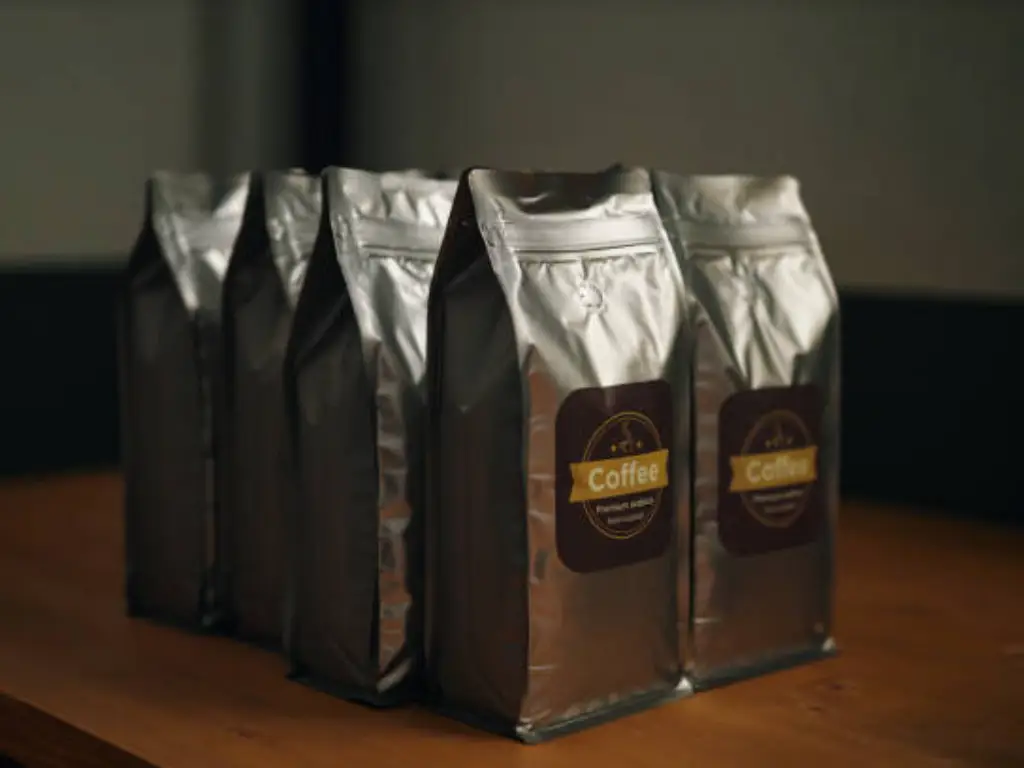
When an extended shelf life of six months to a year is absolutely non-negotiable, metalized films reign supreme. Typically engineered in robust, multi-layer composite structures such as a combination of PET, an aluminum barrier, and an LLDPE sealing layer they function as an impenetrable shield against both light and oxygen permeation. However, it is vital to distinguish between the tiers of metalization. Pure Aluminum Foil (AL) offers near-zero OTR, making it the ultimate choice for international ocean freight and long-term commercial bean storage. On the other hand, Vacuum Metalized PET (VMPET) offers a highly effective, yet slightly lower barrier, providing an excellent cost-to-performance ratio for fast-moving domestic retail operations.
The Natural Look: Kraft Paper
Kraft paper consistently delivers a highly sought-after artisanal and organic aesthetic that resonates strongly with third-wave coffee consumers. However, a critical industrial truth is that pure Kraft paper possesses absolutely zero inherent barrier properties. To function effectively, it must be intricately laminated with a high-barrier inner layer. A structure combining Kraft with an aluminum lining provides excellent preservation. In contrast, pairing Kraft with bio-plastics like PLA might appeal to eco-conscious brands, but it drastically sacrifices the product’s shelf life. Ultimately, unlined or poorly lined paper bags should be strictly reserved for hyper-local cafes selling freshly roasted beans intended for consumption within a few days.
Modern Clear and Plastic Films (LDPE/PET)
Many of the sleek, vibrantly printed, and smooth premium coffee bags populating supermarket shelves are actually complex, multi-layered advanced plastic laminates. These structures leverage the outer PET layer to provide exceptional structural integrity and high-fidelity printability. Meanwhile, the inner layers utilize advanced polymers to handle the actual thermal sealing process. More importantly, the ongoing development of Mono-material plastic structures where the entire bag is constructed from various densities of Polyethylene (PE/PE) forms the critical foundation for the future of genuinely 100% recyclable flexible packaging.
Choosing the Right Format: Bags, Cans, or Capsules
Your packaging format dictates much more than just shelf appeal; it determines your entire logistics infrastructure, shipping costs, and most importantly, the specific type of automation machinery you will need to invest in. Before diving into the options, consider this Production Line Decision Tree: Are you scaling a wholesale whole-bean business that requires flexible rollstock machinery? Or are you aiming to capture the high-margin, single-serve convenience market? Identifying your primary operational lane is crucial before selecting a vessel.
Flexible Bags (Flat Bottom, Stand-Up, Gusset)
| Pouch Architecture | Est. MOQ Threshold | Automation Compatibility | Valve Application Risk |
|---|---|---|---|
| Flat Bottom (Box Pouch) | 30k – 50k pcs (High investment) | Ideal for Premade Pouch Machines | Low risk: Flat panels allow automated valve insertion. |
| Stand-Up Pouch (Doypack) | 10k – 20k pcs (Accessible) | Excellent for both VFFS and Premade | Low to Medium risk depending on material thickness. |
| Side Gusset | 10k pcs (Highly economical) | VFFS (Rollstock) achieves maximum efficiency | High risk: Gusset folds can interfere with airtight sealing. |
If you are a roaster focused heavily on wholesale B2B cafe supply or aggressively scaling a direct-to-consumer e-commerce brand, flexible bags should be your primary vessel. Commercially, this format offers an unbeatable cost-to-volume ratio and drastically reduces outbound shipping weights. From a manufacturing standpoint, flexible formats integrate seamlessly with highly efficient VFFS (Vertical Form Fill Seal) rollstock machinery, allowing you to scale up production rapidly without facing crippling bottlenecks.
Rigid Tins and Cans
Metal containers whether crafted from tinplate or lightweight aluminum provide an absolute, uncompromising physical barrier. They offer near-zero OTR and WVTR, coupled with unparalleled crush resistance during transit.
Opting for rigid metal is a strategic move best reserved for launching ultra-premium “reserve” lines, authentic Italian espresso blends, or specialty cold brew concentrates targeted at luxury supermarkets and high-end corporate gifting. While your logistics and warehousing costs will be significantly higher due to the fixed, non-compressible volume of cans, the commercial payoff is undeniable. Tins deliver an irreplaceable, heavy tactile experience that instantly justifies a $30+ retail price point, building immense and lasting brand equity on crowded shelves.
Single-Serve Capsules (Pods)
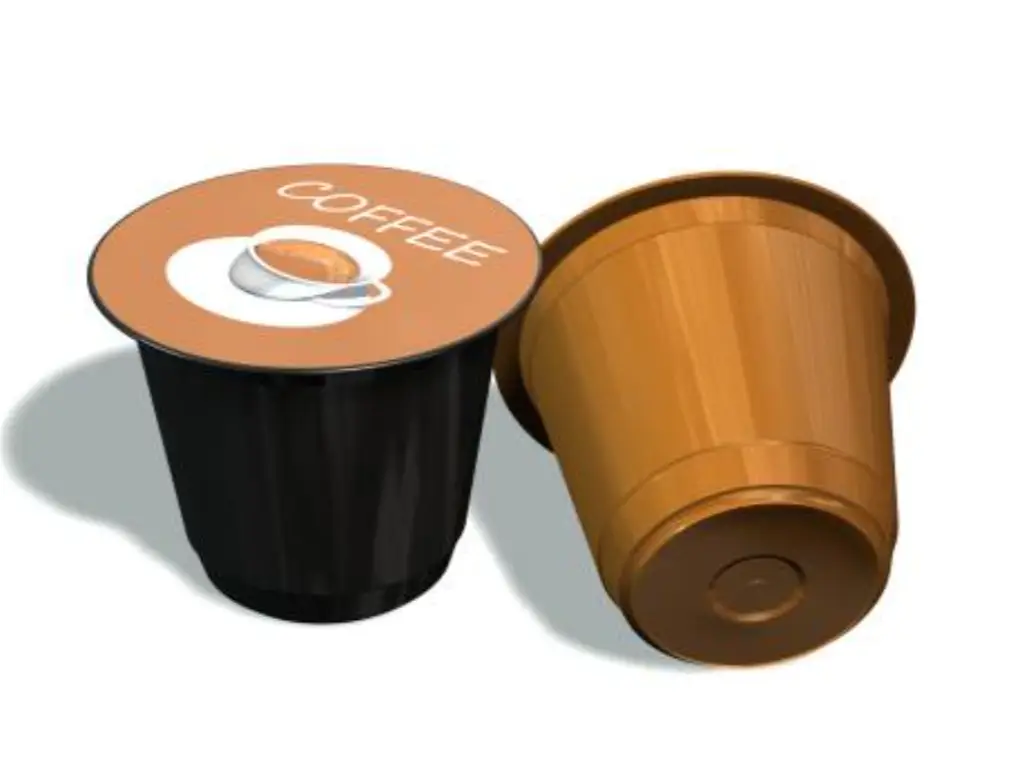
Capitalizing on the explosive growth of the fast-paced office and home-convenience sectors, single-serve capsules provide a staggering “price-per-gram” profit margin for roasters. The integrity of a coffee pod relies entirely on the EVOH high-barrier coating applied to the cup body, and the absolutely flawless heat-seal of the aluminum lidding film.
Capsules are the definitive choice if your growth strategy heavily targets corporate offices, the hospitality sector (HoReCa), or the domestic fast-moving consumer goods market. By adopting this format, you tap directly into the massive pre-existing installed base of Nespresso or K-Cup compatible machines globally. Most importantly, this format takes the brewing variable completely out of the customer’s hands. By guaranteeing a consistent, foolproof extraction every single time, you build the kind of unwavering reliability that drives massive, recurring subscription revenue.
Advanced Freshness Tech: Valves, Nitrogen, and Vacuum
The true depth of industrial-grade preservation lies entirely in invisible technologies. Investing in a high-barrier bag or capsule is entirely useless if the internal atmospheric environment isn’t meticulously controlled during the filling process.
The One-Way Degassing Valve
A pervasive consumer myth suggests that the small plastic valve exists simply so shoppers can squeeze the bag and smell the coffee aroma. In industrial reality, it is a critical, non-negotiable pressure-release mechanism. Dark roasts are highly active, releasing three to five times their own volume in carbon dioxide gas within the first 48 hours post-roast. Without a precisely engineered valve featuring the correct opening pressure threshold, the packaging will inflate like a balloon and eventually burst during transit. Because light roasts emit significantly less gas, their dependency on heavy-duty degassing valves is proportionately lower.
Nitrogen Flushing (MAP)
How do massive, globally distributed coffee enterprises keep their beans tasting incredibly fresh for up to 18 months? The secret is Modified Atmosphere Packaging (MAP). By flushing the internal cavity of the package with inert nitrogen gas at the exact millisecond of sealing, ambient oxygen is physically forcefully displaced.
Vacuum Packing
Frequently observed as dense “brick packs” in commercial supermarket aisles, vacuum packing relies on extreme negative pressure to forcefully extract all ambient air, thereby minimizing overall shipping volume. While highly efficient for logistics, this method creates immense physical stress on the packaging material, demanding supreme puncture resistance. Furthermore, once the end consumer breaks the vacuum seal, the coffee is exposed to a sudden rush of oxygen, causing rapid oxidation and necessitating quick consumption.
Eco-Friendly Coffee Packaging: What Actually Works?
Navigating the powerful marketing hype surrounding sustainability requires procurement teams to sit down and do the actual, uncompromising math on barrier properties versus environmental impact. Not all “green” solutions make commercial sense.
100% Recyclable Plastics: Currently, this represents the most pragmatic and scalable eco-solution for the B2B sector. Modern Mono-material structures (such as PE/PE laminates) successfully maintain respectable OTR barriers while being fully compliant with widespread recycling programs like How2Recycle. This is a massive leap forward from traditional mixed laminates (paper glued to aluminum and plastic), which are economically unviable for recycling facilities to separate.
Compostable & PLA Options: The Brutal Reality
Sustainable branding is a powerful asset, but for industrial operations, it must survive the economic audit. Investing in high-barrier compostables without a high-velocity turnover strategy is a capital leak.
+30-50%
-70%
Due to PLA’s high OTR and poor moisture resistance, your standard 12-month safety window plummets to a high-risk 3-month window.
Machine Compatibility: Will Your Packaging Actually Seal?
Procuring premium, high-barrier packaging materials is only the first step in the equation. If your filling and sealing machinery lacks the required thermal precision and kinetic control, your entire material investment is compromised. Let’s examine the mechanical realities across different production lines.
Scenario A: Flexible Bag VFFS Lines
For operations running continuous rollstock on Vertical Form Fill Seal (VFFS) machines, the inner sealant layer of your film is the most critical component. Many amateur buyers mistakenly specify CPP (Cast Polypropylene) to save costs. However, CPP possesses terrible cold resistance and will frequently suffer from catastrophic “Cold Cracking” during harsh winter logistics. True packaging engineers demand LLDPE (Linear Low-Density Polyethylene). LLDPE boasts exceptional dust-penetrating sealability. This means that even if fine, oily coffee grounds inevitably contaminate the sealing zone during high-speed drops, the LLDPE will successfully melt through the dust to create a flawless airtight lock, preventing the micro-leaks that allow your flushed nitrogen to escape.
Labeling and Design: Getting Coffee Drinkers to Pick Your Product
Ultimately, all your scientific preservation parameters and rigorous nitrogen flushing metrics must be wrapped in a visually compelling exterior to convert a retail sale. However, your design and material choices directly impact your downstream production line coding operations.
Industrial co-packers must account deeply for ink adhesion compatibility. If you choose an artisanal, rough Kraft paper exterior, or a heavily textured matte film to convey a premium feel, your production line’s automated TTO (Thermal Transfer Overprinting) or CIJ (Continuous Inkjet) date coders may suffer immensely. These surfaces frequently cause ink flaking, smudging, or complete failure to adhere. To prevent catastrophic traceability issues, always mandate a rigorous pre-production friction test on your specific film’s surface. Ensuring that batch codes and roast dates remain perfectly legible throughout the rough handling of the supply chain is just as important as the logo design itself.
Conclusion
The journey from a freshly roasted coffee bean to a perfectly preserved cup enjoyed by the end consumer is fraught with environmental perils. As we look toward the demands of 2026, it is abundantly clear that the packaging of coffee product is no longer a localized purchasing decision it is a comprehensive, interconnected engineering system. Selecting the right barrier materials, whether it be a bulletproof aluminum foil for global export or a precision-sealed EVOH capsule for the office sector, is meaningless without the exact mechanical alignment of your filling machinery.
By understanding the absolute necessity of dust-penetrating LLDPE seals, the uncompromising math of PLA degradation, and the vital importance of validated 0.1% MAP nitrogen flushing, you transition from merely buying bags to actively engineering freshness. When your materials and your machinery operate in perfect synergy, you eliminate waste, eradicate stale returns, and ultimately secure the unparalleled loyalty of your customers.