
Один из постоянных клиентов обожает вашу фирменную смесь. Дома он сам молот цельные кофейные зёрна. Однако в офисе рядом с копировальным аппаратом стоит всего лишь одна одинокая кофемашина Keurig. И в эту часть дня кофе из его рациона исчезает.
Именно в этом пробеле и заключается настоящая возможность. Дело не в том, что “капсулы пользуются популярностью”, и не в том, что “эта машина готовит 100 чашек в минуту”. Возможность заключается в том, чтобы привлечь клиента в тот момент, когда ваш текущий продукт не удовлетворяет его потребности.
Для большинства независимых кофейных обжарщиков разумный путь прост: протестировать один сорт кофе на текущих клиентах или у постоянного B2B-партнера, прибегнуть к услугам стороннего производителя, пока объемы продаж остаются неопределенными, и рассматривать возможность собственного производства только после того, как станет очевидным устойчивый спрос. Покупать линию розлива до того, как проверить рынок сбыта, — все равно что строить пункт обслуживания на выезде, не проверив, ездят ли по этой дороге автомобили.
Почему кофе в одноразовых порциях по-прежнему заслуживает внимания в США
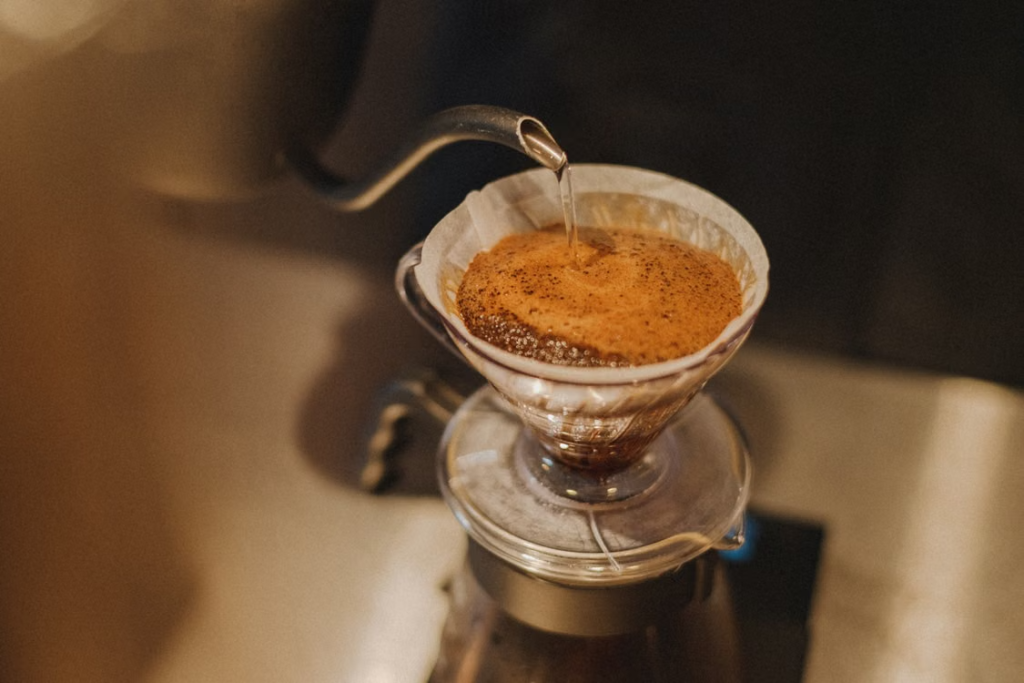
Широкий спрос действительно существует. Национальная ассоциация кофе в апреле 2026 года сообщила, что почти 195 миллионов взрослых американцев пьют кофе еженедельно. Её опрос, проведённый весной 2026 года среди 1 850 взрослых жителей США, также показал, что 82% из тех, кто пил кофе в течение последних суток, готовили его дома. См. Результаты исследования NCA по кофейному рынку, весна 2026 года для понимания контекста.
Компания Keurig Dr Pepper сообщила, что чистый объем продаж в сегменте кофе в США за 2025 финансовый год составил $4,0 млрд. Продажи капсул K-Cup выросли, в то время как продажи кофеварок сократились, что свидетельствует о том, что динамика продаж расходных материалов и оборудования может различаться. Независимые производители кофе не унаследовать экономическую модель владельца платформы. См. результаты за 2025 год для определения области применения.
Независимые кофейные обжарочные предприятия обладают преимуществами, которые крупные сетевые ритейлеры не могут легко скопировать: доверие местного населения, запоминающийся кофе, прямая обратная связь с покупателями, гибкие маркетинговые истории, а также налаженные связи с кафе и оптовыми партнерами. А в чём сложность? Покупатели капсул могут быть чувствительны к цене и ориентированы на удобство. Они ожидают, что капсула будет прокалываться, кофе будет вытекать, а вкус останется неизменным каждый раз. Им не нужна сложная процедура приготовления кофе в 6:30 утра.
Шесть перспективных направлений в сфере кофейных капсул
“Рынок США” — это не канал сбыта. Менеджер отеля, постоянный посетитель кафе, закупщик продуктового магазина и заказчик частной торговой марки — все они совершают покупки по разным причинам.
| Возможность | Ваше нынешнее преимущество | Лучший первый тест | Основной риск |
| Клиенты кафе и интернет-магазинов | Они уже доверяют этому кофе | Один набор «Hero Blend» при предзаказе или в рамках ограниченной серии | Любителям цельных зерен, возможно, не понравятся стручки |
| Подписка на DTC или набор разнообразных товаров | Вы отвечаете за взаимодействие с клиентами | Дополнение к действующей подписке | Уровень оттока клиентов и затраты на выполнение заказов |
| Отели, курорты и жилье для отдыха | Местный кофе делает пребывание гостей ещё приятнее | Пилотный проект в одном объекте недвижимости или с одним типом номеров | Ценовое давление и требования к обслуживанию |
| Офисы и корпоративные подарки | Удобство и поддержка местных производителей | Проверить с помощью действующего оптового счёта | Неравномерный или сезонный спрос |
| Продажа продуктов питания и товаров специального назначения | Признание на региональном уровне | Небольшой заказ с одним проверенным артикулом | Акции, маржа дистрибьютора, возвратные платежи |
| Собственные торговые марки и совместные проекты | Мастерство приготовления блюд на гриле и связи с местными жителями | Один розничный магазин, кафе, некоммерческая организация или партнер по проведению мероприятий | Слишком много мелких заказов на изготовление небольших партий |
Превратите нынешних поклонников в постоянных клиентов
Самый простой покупатель зачастую уже стоит у вашей прилавки. Упаковка из 12 порций позволит использовать домашнюю кофейную смесь не только дома, но и в офисах, на дачах, а также в спешке по утрам. Представьте её как удобный вариант кофе, а не как копию тщательно приготовленного кофе методом «поур-овер».
Набор различных сортов DTC может стимулировать покупателей попробовать новый продукт. Однако каждый вкус — это еще одна крышка, еще одна коробка, еще одна партия кофе и еще одна стопка товара на складе. Начните с одного основного SKU. Семь вариантов выглядят впечатляюще, пока шесть из них не перестанут продаваться.
Используйте гостиничный бизнес и офисы в качестве ключевых клиентов
Местный отель может обеспечить стабильный объем посещений, истории гостей и розничные продажи на стойке регистрации. Офисы, курорты, объекты аренды жилья для отдыха и программы по продаже сувениров могут работать по аналогичному принципу.
В рамках эффективного пилотного проекта определяются помещения или сотрудники, количество чашек в день, частота пополнения запасов, тип кофеварки, цена и условия обслуживания. Фраза “Они, похоже, проявили интерес” не является прогнозом. Заказ на поставку — это гораздо лучше.
Увеличивайте доходы от продажи продукции под собственной торговой маркой, не скрывая при этом свое мастерство
Розничным магазинам, ресторанам, туристическим центрам и кафе может понадобиться кофейная капсула с собственным брендом, но без необходимости её производства. Кофейная фабрика предоставляет знания о кофе, а клиент владеет торговой маркой.
Это может укрепить отношения с оптовыми партнерами. Однако это также сопряжено с подготовкой макетов, соблюдением конфиденциальности, указанием авторства и выполнением подготовительной работы. Установите минимальную сумму, которая покроет затраты времени и усилий, иначе индивидуальная настройка превратится в трудоемкий процесс, не приносящий прибыли.
Добавить услуги по копакингу позже
Once a roaster operates a qualified line, spare capacity can serve other brands. But empty machine hours are not customers. OEM work needs B2B sales, quality agreements, confidentiality, and concentration limits. It is a second business inside the first.
Co-Pack, Private Label, or Make Capsules In-House?
The terms vary between suppliers. One company’s “private label” is another company’s “custom white label.” Define who supplies and owns the coffee, formula, packaging, finished stock, testing, and complaints.
| Production Path | Best Fit | Capital and Workload | Main Trade-Off |
| Частная торговая марка «под ключ» | Fast test where brand/channel matters most | Lowest technical load | Less product distinction |
| Co-pack your own coffee | Signature coffee with uncertain capsule volume | Working capital and partner management | Scheduling, freight, supplier dependence |
| Semi-automatic in-house pilot | Frequent small batches and local demand | Moderate capital, high hands-on labor | Hard to scale consistently |
| Automatic in-house line | Proven and forecastable repeat volume | High capital and operating load | Idle capacity and quality risk |
| Hybrid own brand plus OEM | Experienced operation with B2B pipeline | Highest production and sales complexity | Client conflict and concentration |
Turnkey private label tests a channel quickly but may not preserve the exact coffee identity. Co-packing your roast offers more control without a line. SANEU’s guide to производство капсул собственной торговой марки, совместимых с системой K-Cup connects coffee, cup, lid, filling, and sealing choices.
In-house production becomes interesting when repeat volume, scheduling, quality, or cost supports it conservatively. It also adds grinding, dosing, sealing, inspection, maintenance, utilities, cleaning, traceability, and cartoning. Yeah, the filler is not the whole factory.
Outsourcing can remain strategic even after a roaster installs equipment. A co-packer may cover overflow, a second capsule format, geographic backup, or an unusual material system.
Validate the Channel Before You Size the Machine
Collect evidence that is harder than compliments:
- preorders or deposits from current customers;
- a defined hospitality or office pilot;
- repeat purchase after the launch excitement fades;
- an acceptable price beside the buyer’s real alternatives;
- monthly volume by SKU and channel;
- complaints and returns tied to pod performance.
| Pilot Metric | Question It Answers |
| Trial conversion | Did target buyers actually place an order? |
| Reorder rate | Did they return without a large discount? |
| Complaint rate | Did the pods puncture, brew, and seal reliably? |
| Contribution per box | What remains after variable costs and channel deductions? |
| Inventory days | How long is cash sitting in components or finished goods? |
A manual setup can support development or a controlled test. It becomes painful when one shift produces what a customer expects by lunch. Compare real output and labor with a startup coffee capsule filling machine and co-packing quotes.
Choose the Single-Serve Format Around the Customer
K-Cup-compatible capsules fit many U.S. homes, offices, and hotels. Nespresso-compatible formats serve espresso-oriented buyers. Soft pods, brew bags, and pour-over packs reach other occasions with different equipment needs.
SANEU’s overview of single-serve coffee formats and production options provides a useful comparison. Choose one system around the buyer’s installed brewer base. Do not launch two formats merely because a machine can change tooling.
“K-Cup-compatible” describes intended use; it should not imply affiliation or approval that does not exist. Confirm current trademark, intellectual-property, and supplier rules.
The outer pack follows the channel. Ecommerce favors compact cartons, grocery needs shelf-ready cases, and hotels may prefer bulk packs. This guide to types of coffee packaging connects capsules with cartons and shipping protection.
Specialty Coffee Needs Capsule-Specific Development
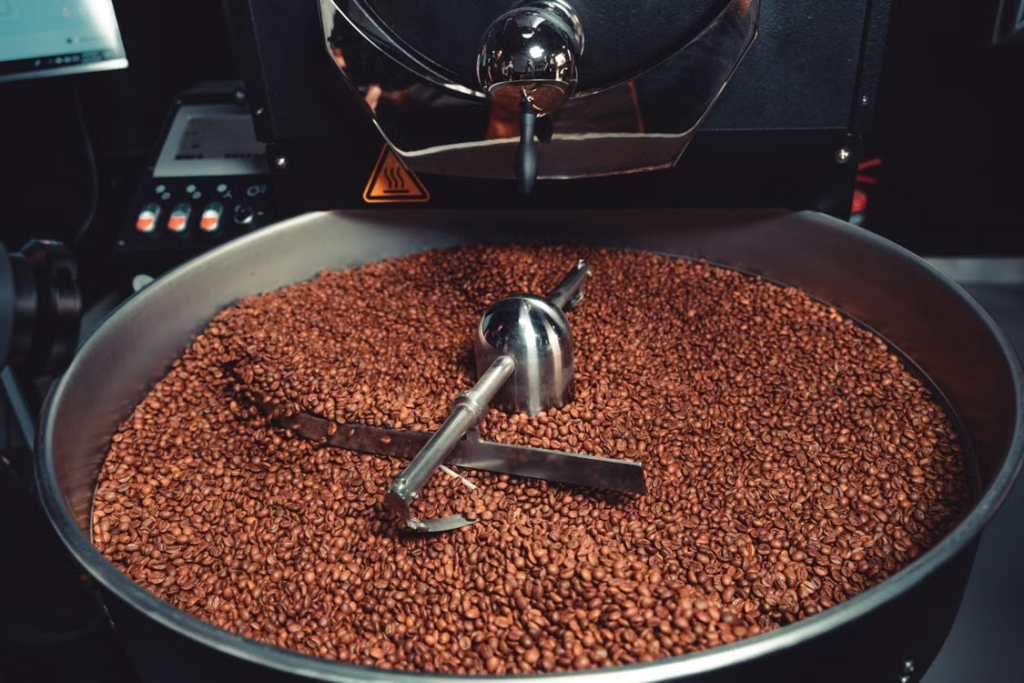
Your best filter roast is a starting point, not a finished capsule recipe. A short automated brew changes contact time, flow, pressure, and coffee-to-water ratio.
Roast, Grind, Dose, and Density Work Together
A light roast that sparkles in a V60 may taste thin in a pod. More development may improve solubility, but sensory trials decide.
Grind distribution controls flow and extraction. Too coarse brews weak; too fine may slow flow or add sediment. Dose and bulk density determine fill height. Equal coffee weights can occupy different volumes.
Fresh coffee releases carbon dioxide. Filling too soon can cause swelling or erratic brewing; filling too late may lose aroma. Establish a repeatable rest window.
Test the Pod Experience
Evaluate representative brewers, cup puncture, brew time, beverage weight, extraction, sensory quality, grounds leakage, and seal integrity. Sample the beginning, middle, and end of a production run. Then test again after shipping and storage.
The first fresh sample is the honeymoon. Shelf-life work tells you how the marriage is going.
Capsule Materials, Freshness, and Environmental Claims
A capsule is a small packaging system: perhaps a PP or multilayer barrier cup, paper filter, and lid. Other systems use aluminum or certified compostable structures. Every part must seal, survive heat, puncture, and protect coffee.
Important material questions include:
- барьер, предотвращающий проникновение кислорода и влаги;
- food-contact documentation;
- sealing temperature and dwell-time window;
- filter fit and grounds retention;
- lid puncture and peel strength;
- storage, transport, and recovery route.
SANEU’s coffee packaging material guide covers barrier and shelf-life trade-offs in more depth. For an in-house line, selecting empty coffee pod components means qualifying the cup, filter, lid, and machine as one system.
Nitrogen flushing and low residual oxygen can protect aroma, but do not create shelf life by magic. Use seal tests, appropriate oxygen measurements, sensory checks, and relevant aging conditions.
Environmental terms are not synonyms. BPI certification may support U.S. commercial-compostability claims, while ASTM D6400/D6868 and FTC Green Guides may inform evidence and wording. Construction, certification scope, labels, and realistic collection access matter.
Follow the Money: Contribution, MOQ, and Capacity
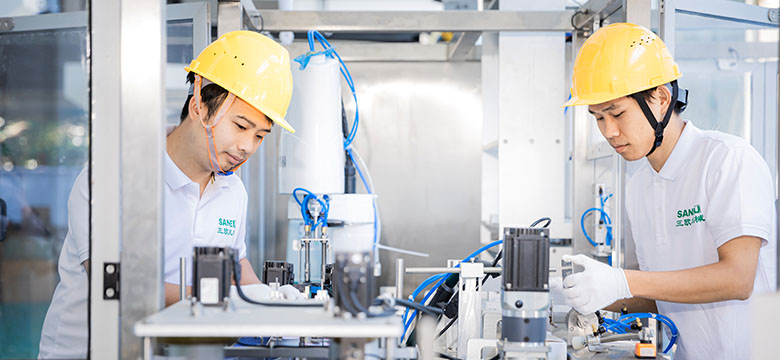
Gross margin is a useful start and a lousy finish. Calculate contribution per saleable box:
Net revenue after discounts and channel deductions − coffee − cup − filter − lid − carton − filling/co-packing − direct labor − variable freight support − testing − expected scrap
Fees, distributor margins, promotions, credits, and fulfillment sit between list price and net revenue. Use the money you keep.
Minimums hide in layers. A reasonable production MOQ means little if custom lids require much more. Ask for every component minimum and whether it applies per SKU. One coffee in a stock carton can protect cash better than four printed flavors.
For in-house production, add equipment, facility work, utilities, nitrogen, compressed air, operators, maintenance, spares, quality staff, certification, downtime, changeovers, and downstream packing. Use saleable output—not the brochure’s maximum speed.
A basic break-even view is:
Monthly capsule fixed costs ÷ contribution per saleable capsule = monthly break-even capsule volume
Run conservative, expected, and strong cases. If the investment works only when the line runs near full speed and every pod sells, that is not a forecast. It is a motivational poster.
When volume begins to support automation, use a Руководство для покупателей по машинам для наполнения капсул K-Cup to compare format, speed, dosing, nitrogen, inspection, changeovers, service, and future integration—not price alone.
US Food Safety, Labeling, and Buyer Standards
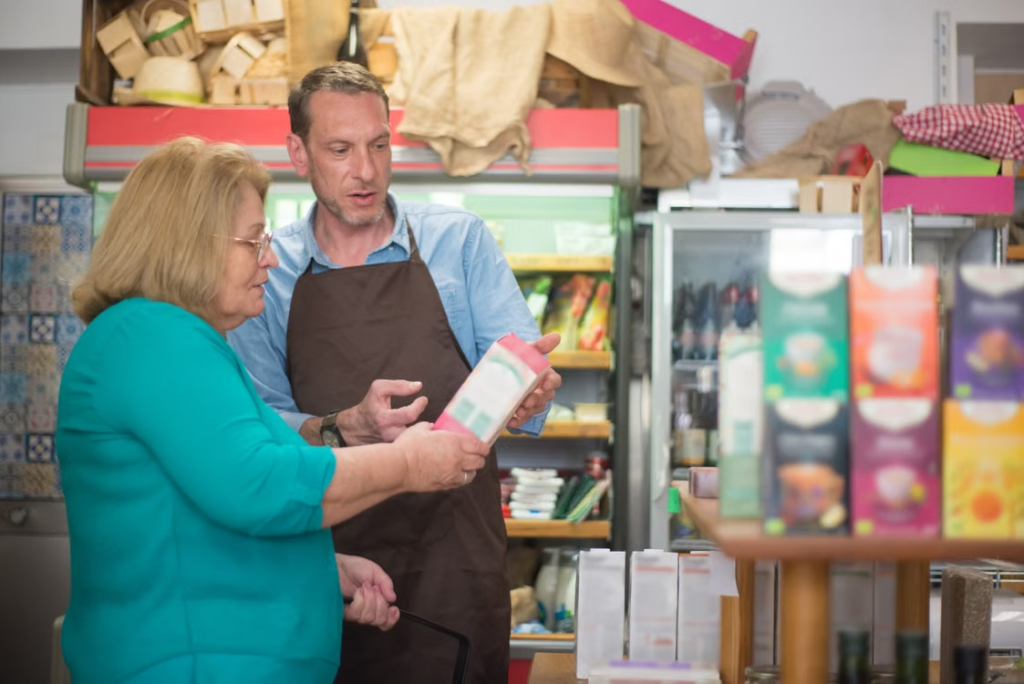
Coffee is familiar, but a capsule line is still food manufacturing and packaging. FDA requirements depend on the facility and activity. The agency states that facilities manufacturing, processing, packing, or holding food for U.S. consumption generally must register unless exempt. Its guidance also points to current good manufacturing practice and preventive controls under 21 CFR Part 117, recordkeeping, and labeling. Start with the FDA’s food-business guidance, then confirm federal, state, and local obligations for your operation.
A quality system may cover hazards, sanitation, suppliers, pests, maintenance, calibration, traceability, complaints, and recalls. Review food-contact support for cups, filters, lids, inks, and adhesives.
Labels may need product identity, net quantity, business identity, ingredients, allergens where relevant, nutrition information or a valid exemption, claims, and lot coding. “Small business” does not automatically mean “no label rules.”
Retail, hospitality, or private-label buyers may request HACCP-based controls, SQF, BRCGS, ISO 22000, USDA Organic, kosher, Fairtrade, GS1/UPC data, case labels, pallet specifications, and insurance. Requirements vary. A certificate should match the facility, product, and claim being sold.
With outsourced production, define specifications, suppliers, substitutions, release, nonconforming goods, complaints, recalls, insurance, and cost responsibility before something goes sideways.
A Low-Risk Roadmap From Idea to Repeat Production
- Interview current customers and choose one clear use occasion.
- Select one brewer format, hero coffee, and pack configuration.
- Test roast, grind, dose, extraction, seal, oxygen, and shelf life.
- Pilot through a co-packer or a controlled small-batch setup.
- Measure contribution, complaints, reorders, and inventory days.
- Scale outsourced production while demand is still forming.
- Bring filling in-house only when conservative committed volume and an operating plan support it.
- Add private-label manufacturing for others after quality and service systems are mature.
Okay, that path is less dramatic than unloading a shiny machine on day one. It is also much kinder to cash.
Заключение
The best coffee capsule production opportunity begins with a customer you already understand or an account ready to commit. Independent U.S. roasters can win with coffee quality, trust, local service, and agility—not by copying the cheapest national pod.
Start with the smallest production model that can prove repeat demand. Improve the product, count the real costs, and scale when the evidence asks you to.
Frequently Asked Questions
1. Are K-Cup-compatible pods profitable for independent coffee roasters?
They can be, especially with existing customers or repeat B2B accounts. Profit depends on net selling price, coffee cost, components, labor or co-packing, freight, scrap, channel deductions, and reorder rate. Calculate contribution per box rather than relying on markup alone.
2. Should a small roaster co-pack coffee capsules or make them in-house?
Co-packing is usually safer while demand is uncertain. In-house production makes more sense when volume is forecastable and control, lead time, or co-packing cost creates a clear operating case. Compare full system cost, not only the filler price.
3. What is a typical MOQ for coffee capsule co-packing?
There is no universal MOQ. It varies by co-packer, format, coffee, lid print, carton, and number of SKUs. Ask separately about coffee-batch, component, packaging, and finished-production minimums before comparing proposals.
4. Can a co-packer fill capsules with my own roasted coffee?
Many can. The partner will still need to approve the coffee and process. Define roasting, resting, shipping, grinding, dose, specifications, food-safety documents, ownership, losses, and rejected material in the agreement.
5. Which single-serve format is best for the U.S. market?
K-Cup-compatible products reach a broad U.S. home, office, and hospitality base. Nespresso-compatible formats suit other customers, while brew bags and pour-over packs serve different occasions. Choose from your customer’s brewer, not general popularity alone.
6. Does specialty coffee need a different roast or grind for capsules?
Often, yes. Short automated brewing changes contact time and flow. The roast, grind distribution, dose, density, and filter must work together. Validate with extraction and sensory tests across representative brewers.
7. How long do freshly produced coffee capsules stay fresh?
Shelf life depends on coffee age at filling, residual oxygen, barrier, seal integrity, storage, and distribution. Nitrogen can help, but it does not prove a fixed lifespan. Establish shelf life with packaging tests and sensory checks.
8. Which certifications do U.S. retail and private-label buyers request?
Buyers may request HACCP-based controls, SQF, BRCGS, ISO 22000, USDA Organic, kosher, Fairtrade, or their own supplier standard. Needs vary by customer. Confirm the required scope before spending money on certification.
9. Can a roaster market coffee pods as compostable or recyclable?
Only with support for the exact product and carefully qualified wording. Material type, certification, separation steps, and local collection or composting access matter. Review applicable federal and state rules before printing the claim.
10. When does buying a coffee capsule filling machine make sense?
It makes sense when conservative repeat volume covers the full fixed cost and in-house production solves a measurable problem. Include labor, utilities, maintenance, quality, downtime, changeovers, and cartoning. Machine speed alone is not a business case.

 English
 Spanish
 Arabic
 Russian