Private label is no longer the plain box hiding on the bottom shelf. U.S. store-brand sales reached a record $282.8 billion in 2025, according to the Private Label Manufacturers Association. Beverage private-label dollar sales grew 4.8% that year.
Those are broad store-brand figures, not K-Cup market data. Still, they show why more retailers and coffee businesses are looking for capable manufacturing partners.
For an OEM coffee factory, the opportunity seems obvious. Buy good equipment. Build a shiny website. Quote a low unit price. Wait for contracts.
Well, that last part rarely works.
A brand is not simply buying coffee pods. It is handing over food-safety risk, launch timing, product consistency, inventory, and part of its reputation. The factory that makes those risks easier to understand and control often beats the factory with the cheapest quote.
Here is how to turn more private-label K-Cup inquiries into sensible, repeatable business.
Understand What the Buyer Is Actually Buying
First, use the right production language.
- White label: The buyer selects an existing product and adds its brand.
- Private label: The product and packaging are configured for one customer.
- OEM: The factory produces to a customer-owned specification or formula.
- ODM: The factory also helps develop the formula or product concept.
- Co-packing: The factory packs a customer’s product or ingredients.
- Toll roasting: The factory roasts coffee owned or supplied by the customer.
Real projects overlap. A factory may develop a blend, roast it, fill compatible pods, print lids, and pack retail boxes. Define who owns each step before quoting. SANEU’s overview of OEM/ODM coffee capsule options helps map common capsule choices.
The buyer also has an internal approval problem. Marketing wants a distinctive product. Quality wants documents. Procurement wants a comparable price. Operations wants a launch date that will hold. Finance wants manageable inventory.
Your proposal should help the project owner answer all four teams. “We have advanced machines” does not do that.
Stop Chasing Every RFQ
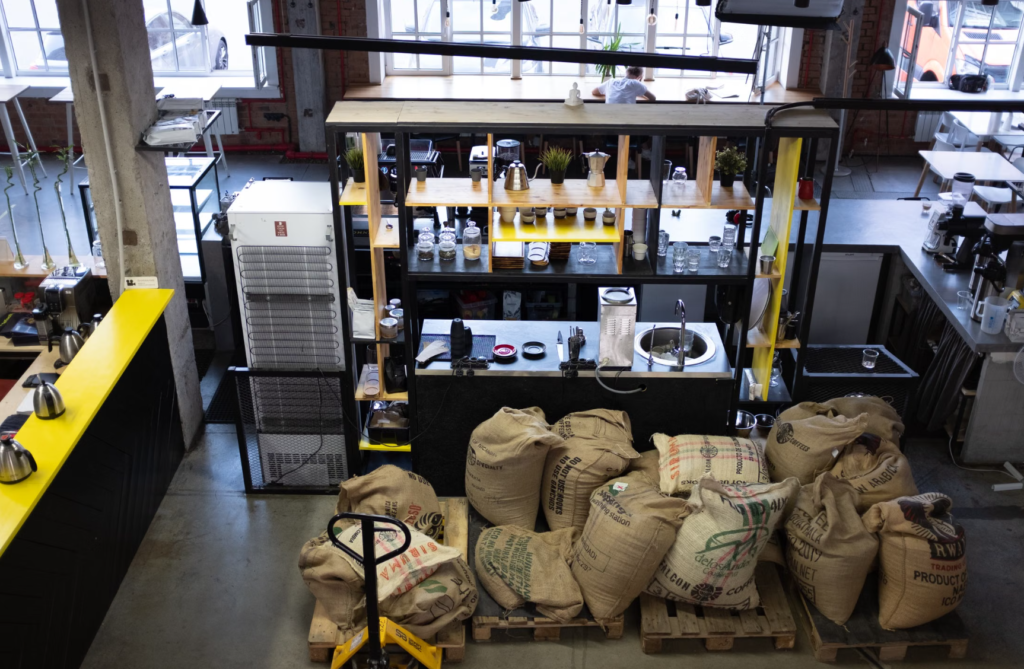
More inquiries do not always mean more good business. Define the contracts your plant can serve profitably.
Your ideal customer profile should cover:
- Target annual volume
- Number of SKUs
- Product and flavor complexity
- Packaging format
- Required certifications
- Destination market
- Forecast quality
- Margin after changeovers and service work
A two-SKU office coffee program may fit a stable line beautifully. A 14-flavor startup with tiny orders and weekly design changes may consume the entire R&D team.
Use a Simple Lead Scorecard
| Question | Strong signal | Risk signal |
| What is the sales channel? | Named retail, office, DTC, or hospitality route | “Everyone drinks coffee” |
| What is the annual volume? | Evidence-based forecast | Millions of pods with no buyers |
| Is the formula defined? | Clear brief or reference product | Scope changes every call |
| Is packaging underway? | Decision maker and artwork timeline known | Nobody owns the design |
| Is the launch date workable? | Allows development and validation | Wants custom stock next week |
| Is the budget realistic? | Understands MOQ and setup | Expects full custom at commodity price |
Disqualifying a poor fit is not losing a sale. It protects sampling capacity for a customer who can actually launch.
Make Your Factory Easy to Qualify
When a buyer asks for documents, speed matters. Build a buyer-ready evidence pack before the inquiry arrives.
Include:
- Legal company and facility details
- Applicable facility registrations
- Current certifications and their scope
- Food-safety plan summary
- Allergen and sanitation controls
- Product-liability insurance evidence
- Example COA
- Lot-traceability flow
- Mock-recall summary
- Equipment and realistic capacity list
- Quality KPI definitions
- Complaint and CAPA process
- NDA-safe case examples
Do not turn the page into badge wallpaper. A certificate without its scope, expiry date, and issuing body is like a ring of keys with no labels. It looks substantial but does not open much.
Avoid inaccurate phrases such as “FDA-approved factory.” FDA registration, regulatory compliance, and product approval are different ideas. Say precisely what is registered, audited, certified, or tested.
Capacity proof also needs context. Show good output by format and shift pattern, not only maximum machine speed. Buyers have seen enough brochures that quietly forget cleaning, changeovers, and rejects.
Turn Sampling Into a Sales Stage
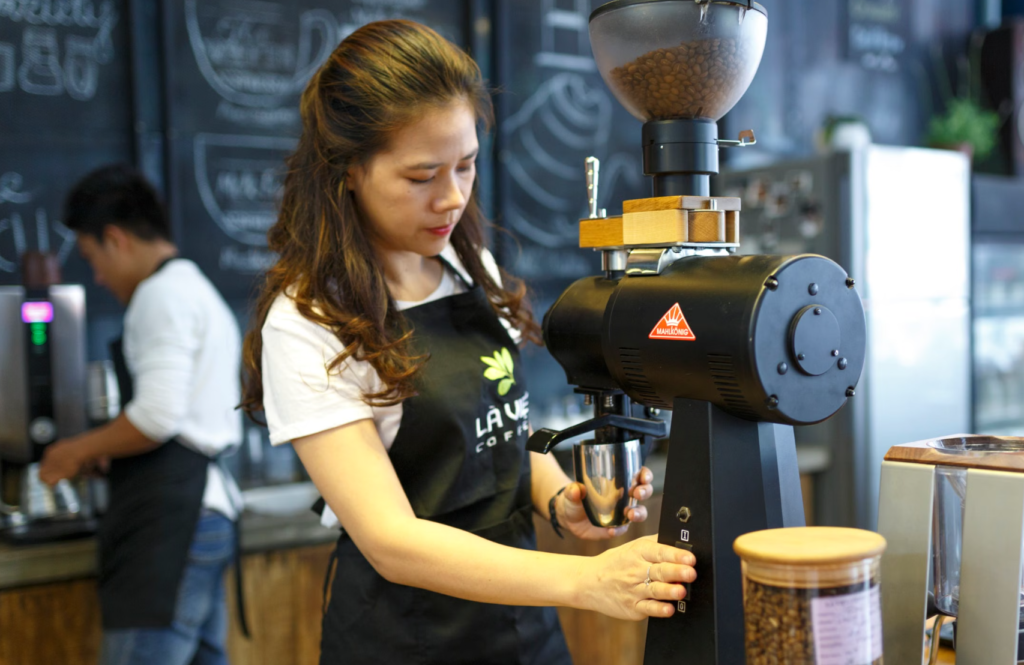
Random samples create random feedback. Start with a written sample brief:
- Sales channel and target consumer
- Reference coffee or flavor direction
- Roast level
- Intended dose and brew size
- Cup and filter type
- Packaging format
- Required claims
- Target launch date
Then use three approval stages.
1. Bench Concept
Confirm the basic roast, flavor, and product direction. It is fast and relatively cheap, but it may not represent line conditions.
2. Production-Representative Trial
Run the intended cup, filter, lid, coffee, dose, and sealing settings. Check whether the idea survives actual equipment.
3. Golden Sample
Approve the final sensory target, specifications, artwork, and acceptance criteria. Keep signed reference samples under controlled storage.
With each stage, report what was tested: fill weight, seal integrity, residual oxygen, brewer compatibility, sensory result, and the shelf-life plan.
Say how many revisions are included, what samples cost, and how long each round takes. Free unlimited development sounds generous. In practice, it teaches indecisive leads that your laboratory has no price.
Quote the Whole Project, Not a Mystery Price per Pod
A buyer cannot approve a quote it cannot explain.
| Quote item | What to state clearly |
| Coffee | Formula, source responsibility, dose, loss allowance |
| Pod components | Cup, filter, lid, print method, material specification |
| Secondary packaging | Carton count, case pack, artwork responsibility |
| Conversion | Included production and quality operations |
| One-time costs | Development, plates, tooling, setup, testing |
| MOQ | Per SKU, roast, lid design, and carton design |
| Lead time | Sample, first order, repeat order, material dependency |
| Logistics | Incoterm, freight scope, storage, pallet assumptions |
| Commercial terms | Payment, quote validity, volume tiers |
Explain why MOQ exists. Changeovers, sanitation, startup waste, printing minimums, and line time do not vanish because the customer is small.
Offer practical alternatives:
- One flagship SKU instead of four
- Stock lids with a labeled carton
- Shared carton structure
- A paid pilot credited against a larger order
- Higher unit pricing at a lower initial quantity
Separate assumptions from commitments. A forecast is not a purchase order. An estimated production window is not reserved capacity. Sample performance is not the final specification until it is approved and documented.
Sell a Repeatable K-Cup, Not Just a Flavor
Buyers may arrive asking for “a strong medium roast.” Your job is to turn that phrase into a product another shift can reproduce six months later.
Coffee and Extraction
Define origin or blend rules, roast profile, grind distribution, dose, brew volume, and sensory limits. If green coffee lots change, document how the blend will be adjusted without moving the cup outside its approved profile.
Cup, Filter, Lid, and Outer Pack
A compatible pod is a small packaging system:
- PP/EVOH, standard PP, or qualified compostable cup
- Nonwoven or paper filter with suitable flow and wet strength
- Aluminum foil or other validated high-barrier lid
- Compatible heat-seal layer
- Printed retail carton and coded master case
Use a clear material specification. This K-Cup packaging materials guide explains how the cup, filter, lid, and barrier work together. Buyers comparing empty K-Cup formats and parameters should also receive food-contact documentation and change-notification terms.
Control the Failures the Consumer Notices
| Failure | Buyer or consumer impact | Factory control |
| Dose drift | Weak or inconsistent cups | In-process weight checks |
| Grounds on the rim | Leaks and stale coffee | Rim cleaning and reject control |
| Poor filter fit | Sediment or slow flow | Incoming and line validation |
| High residual oxygen | Shorter flavor life | Finished-pod oxygen testing |
| Cup geometry issue | Brewer complaints | Multi-brewer compatibility matrix |
Nitrogen purity at the source is not residual oxygen in the finished pod. Test the package. Validate seals and shelf life under the conditions in which customers will store and distribute it.
The full K-Cup filling and sealing process is useful when mapping control points, inspection records, and responsibilities.
Make Capacity a Promise You Can Keep
A heroic launch date may win the first call and lose the customer six weeks later.
Calculate available capacity after:
- Planned maintenance
- Cleaning and allergen changeovers
- Material replenishment
- Normal yield loss
- Existing customer commitments
- Seasonal peaks
Show a scale-up path:
- Development samples
- Pilot run
- First commercial order
- Volume-price tier
- Blanket purchase order or forecast agreement
- Reserved capacity
Use published K-Cup filling machine capacities as a technical starting point, then translate rated speed into your factory’s good output.
If supply continuity matters, show how you source cups, filters, and lids. Vertical capabilities such as K-Cup filter welding and cup production can strengthen the story, but only if the backup plan, quality controls, and actual available capacity are documented.
Use Standards to Remove Sales Friction
Good compliance does more than pass an audit. It saves weeks of buyer qualification.
U.S. Food-Safety Expectations
The FDA’s preventive controls rule for human food covers CGMP, qualified employees, hazard analysis, preventive controls, verification, supplier programs, and recall planning for covered facilities.
Which requirements apply depends on the facility, product, activities, and exemptions. Foreign manufacturers selling into the United States may also need to coordinate with an importer on Foreign Supplier Verification Program responsibilities.
Prepare supplier-approval information before the buyer asks. Include ingredient controls, approved-supplier logic, audit evidence where applicable, traceability, and corrective-action records.
Management Systems and Retail Expectations
ISO 22000 food-safety management provides a framework for controlling hazards across the food chain. Depending on the customer, FSSC 22000, SQF, or BRCGS certification may also be requested.
Certification is not decoration. Confirm that the facility, process, and product category fall inside its scope.
Organic, Kosher, and sustainability claims need the same discipline. Do not promise a certified product until ingredient sourcing, segregation, processing, packaging, and label approval are covered.
Put Responsibility Into the Contract
Clarify:
- Formula and specification ownership
- Artwork and tooling ownership
- Confidentiality
- Approved suppliers
- Change notification
- Label-review responsibility
- Release and acceptance criteria
- Recall duties
- Complaint handling
- Liability and insurance
- Use of “K-Cup” and compatibility wording
An NDA is useful, but operational access controls matter too. Limit formula files and artwork to people who need them.
Build a Sales Process for a Long Buying Cycle
Private-label contracts can take months. The process should give the buyer a useful next step at every stage.
Improve the Website and RFQ
Create capability pages around buyer applications: retail, office coffee, hospitality, DTC, and contract roasting. Show MOQ ranges, typical timelines, sample steps, certification scope, and packaging options.
Keep the RFQ detailed enough to qualify but short enough to finish. Ask for channel, volume, SKUs, formula status, packaging, market, certifications, and target date. Save the 40-question technical form for qualified projects.
Use Targeted Outreach
Useful channels include PLMA events, coffee trade shows, retailer sourcing platforms, distributors, packaging partners, and account-based email.
Make the message specific. A hotel supplier cares about compatibility and replenishment. A DTC brand cares about pilot size and packaging. A retailer cares about audit readiness, service levels, and scale.
Follow Up With Progress, Not “Any Update?”
Useful follow-ups include:
- Sample delivery confirmation
- A scheduled feedback call
- Revised specification
- Material lead-time warning
- Available pilot slot
- Quote-expiry reminder
- A relevant certification update
Trade-show leads may take a year to mature. Use a CRM and a sensible contact cadence. Memory is not a sales system.
Win the Second Contract During the First Run
The first production order is still part of sales.
Before startup, confirm the golden sample, specifications, artwork, materials, release plan, and communication owners. After the run, share agreed KPIs such as:
- On-time in-full performance
- First-pass yield
- Fill-weight conformance
- Residual oxygen results
- Complaint rate
- CAPA status
Hold a post-run review. What surprised the buyer? What slowed the factory? What should change before the next order?
For larger accounts, set a forecast cadence and quarterly business review. Discuss cost-down options, new SKUs, capacity, material risks, and demand peaks.
The second contract is usually won while the first batch is being made, not when sales sends a reminder three months later.
A Practical Contract-Win Checklist
Before quoting
- Customer fit and decision makers confirmed
- Channel, volume, SKUs, and market understood
- Required certifications checked
Before sampling
- Brief and sample type agreed
- Fees, revisions, tests, and timeline stated
- Formula confidentiality in place
Before contracting
- Scope, MOQ, price tiers, and lead time clear
- Quality evidence ready
- Ownership and change-control terms stated
- Acceptance criteria agreed
Before production
- Golden sample and artwork approved
- Materials released
- Capacity reserved
- Quality and communication owners named
Conclusion
OEM coffee factories win more private-label K-Cup contracts by making projects predictable.
The practical path is:
Right fit → credible evidence → structured samples → transparent quote → documented validation → reliable first run
Buyers remember a low price. They remember a missed launch much more vividly.
Show what the factory can do, but also show how it controls change, catches problems, protects the customer, and communicates when something goes sideways. That is not flashy. It is very sellable.
FAQs
What do private-label buyers look for in a K-Cup manufacturer?
Buyers typically evaluate product quality, food-safety systems, MOQ, price, development support, packaging options, lead time, capacity, traceability, communication, and delivery performance. Clear evidence makes those factors easier to approve.
What is the difference between OEM, ODM, white label, and co-packing?
OEM produces to a customer specification. ODM also helps develop the product. White label puts a new brand on an existing product. Co-packing focuses on packaging a customer’s coffee or formula. Projects can combine these models.
What is a normal MOQ for private-label K-Cup production?
There is no universal MOQ. It depends on line changeover, cup and lid materials, print minimums, carton design, and SKU count. Many published programs start in the thousands of pods per SKU, but factories should quote their actual economics.
Which certifications help an OEM coffee factory win retail contracts?
Buyers may request HACCP-based controls, ISO 22000, FSSC 22000, SQF, or BRCGS. Organic or Kosher certification may apply to specific products. The right certification depends on the retailer, market, and product.
How should a factory price a custom K-Cup project?
Separate coffee, pod components, printing, cartons, conversion, development, tooling, testing, freight, storage, and one-time setup. State MOQ, price tiers, assumptions, payment terms, lead time, and quote validity.
Should an OEM charge for product-development samples?
Often, yes. A defined fee filters weak leads and pays for technical work. Some factories credit part of the fee against the first commercial order. Explain whether the sample is a bench concept or a line-produced unit.
How long does a private-label K-Cup project take?
Timing depends on formula readiness, sample revisions, packaging artwork, print lead times, certifications, testing, materials, and production scheduling. Give separate estimates for development, first production, and repeat orders.
How can a manufacturer protect a customer’s formula and artwork?
Use an NDA, define ownership in the manufacturing agreement, restrict file access, control versions, and document return or destruction requirements. Tooling and packaging artwork ownership should also be explicit.
What quality tests should accompany production samples?
Tests may include fill weight, seal integrity, residual oxygen, brewer compatibility, extraction or sensory checks, coding, package inspection, and shelf-life planning. Agree on methods and acceptance limits before production.
How can a co-packer turn a pilot into a long-term contract?
Deliver the pilot to the approved specification, share agreed performance data, resolve issues quickly, and hold a review. Then propose forecast cadence, volume tiers, reserved capacity, cost improvements, and a clear reorder process.