Sooner or later, a coffee roaster selling K-Cup-compatible pods reaches an awkward fork in the road.

One path leads to a co-packer. You send coffee, approve packaging, place an order and wait for finished cases. The other path leads to your own filling machine, a production room and a new collection of problems with names like “seal temperature” and “why are the cups not dropping?”
Both paths can work.
Co-packing is not simply paying someone else a premium because you do not own equipment. You are buying capacity, trained operators, maintenance, certifications and a shorter route to market. Owning a K-Cup filling machine is not simply buying cheaper pods. You are taking control of a manufacturing process and accepting the fixed cost and daily responsibility that come with it.
There is also a third path that rarely gets enough attention: use both. Many roasters keep a co-packer for peaks or special projects while bringing stable, repeatable SKUs in-house.
So, which model fits your roastery? The answer depends on demand, product mix, cash, operational ability and what kind of company you want to run. Let’s work through it without making the spreadsheet do circus tricks.
First, Know What You Are Actually Comparing
Compare complete operating models, not a co-packer’s price per pod against the price of an empty cup.
The terms in this corner of the coffee industry get mixed together. That makes quotes hard to compare.
Co-packing means a third party performs one or more manufacturing and packaging steps for your product. You may roast the coffee and ship it out. The partner may grind, fill, seal, code, carton and case-pack it.
Contract manufacturing can go further. The partner may source green or roasted coffee, develop the blend, manufacture the pods and manage packaging procurement.
Private label means the finished product carries the customer’s brand. The recipe may be custom or selected from the manufacturer’s options.
White label usually means a relatively standard product is sold under different customer brands with limited recipe customization.
In-house production means your business owns or controls the equipment, operators, quality system and component supply chain.
A roaster can sit anywhere along this spectrum. It may roast and outsource pod filling. It may buy finished private-label pods. It may fill its own coffee but outsource printed cartons. These are not messy compromises. They are normal operating models.
| Model | Roaster owns | Partner owns | Typical fit |
| Turnkey private label | Brand, sales and customer relationship | Coffee sourcing, manufacturing and packaging | New brands and fast launches |
| Roaster-supplied co-pack | Coffee, recipe and brand | Pod conversion and often materials | Established roasters testing single serve |
| Hybrid production | Stable internal SKUs and selected equipment | Peak demand, unusual formats or overflow | Growing multi-channel roasters |
| Fully in-house | Coffee, materials, equipment, staff and process | Specialist services only | Stable volume and operationally mature businesses |
Before comparing cost, draw your real process from roasted coffee to shipped case. Put a name beside every step. That little exercise catches missing costs surprisingly fast.
Why K-Cup Co-Packing Is Often the Better First Move
Co-packing converts a large fixed commitment into a more flexible cost tied to actual orders.
Imagine a regional roaster has landed two office coffee accounts and wants to test a retail 12-count box. Demand looks promising, but it is still foggy. Buying a production line at this point is a bit like building a commercial kitchen because three friends loved your barbecue. Nice compliment. Weak forecast.
A capable co-packer gives the roaster access to equipment, trained staff and an established process without a major capital project. That has several advantages.
Faster entry into single-serve coffee
Machine specification, factory testing, shipping, installation, commissioning and operator training take time. A co-packer that already runs compatible materials can usually shorten the route from approved recipe to saleable product.
This matters when a retailer has a set review window or a hospitality customer needs a launch date. Opportunity cost is real, even when it never appears on the equipment quote.
Lower capital exposure
The business does not have to fund a filling machine, compressor, nitrogen system, coding equipment, quality tools, electrical work and production-room changes before demand is proven.
Cash remains available for green coffee, sales hires, sampling, design and inventory. For a young brand, those may produce a better return than owning a lightly used machine.
Access to experience and certifications
A specialist has already learned what happens when a cup flange varies, coffee fines land on the seal surface or lid stock curls during a humid week. Good co-packers also maintain documented sanitation, traceability and food-safety systems.
If a customer requires organic handling or a recognized audit scheme, an appropriately certified partner may open that account sooner than building the capability internally.
Easier response to uncertain volume
A co-packer can pool demand from multiple customers. That is the basic economic trick. Your 40,000-pod order might not justify a fast line by itself, but it fits efficiently beside several other jobs.
The benefit is strongest when demand is seasonal, promotions are unpredictable or one customer represents a worrying share of volume.
More management time for the actual brand
Production consumes attention. Someone schedules materials, handles rejects, checks weights, manages maintenance and deals with late component shipments. Outsourcing lets a small management team stay focused on roasting, wholesale relationships and customer acquisition.
That is not laziness. Focus is a resource too.
Where a K-Cup Co-Packer Can Start to Hurt
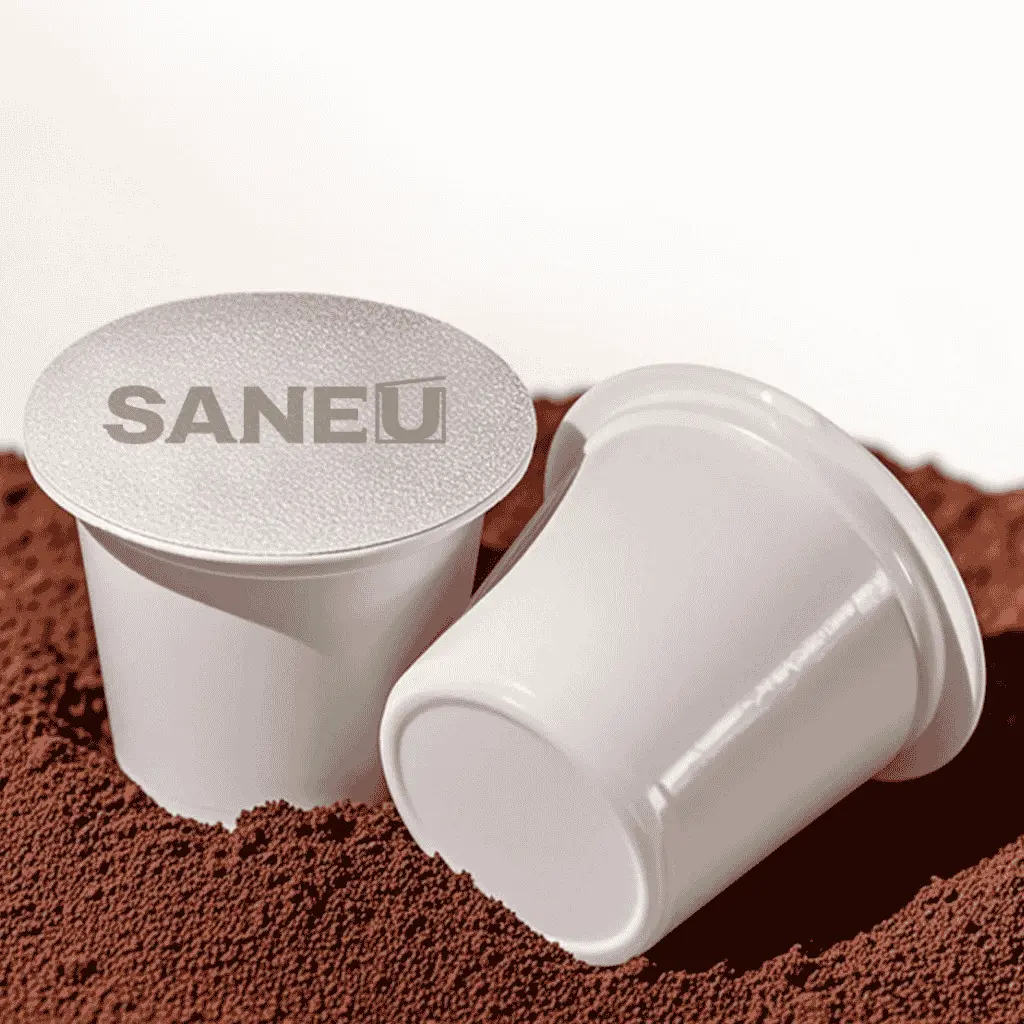
Outsourcing becomes a poor fit when its limits repeatedly damage margin, speed, innovation or customer service.
Co-packing removes operating burden, but it also puts part of your customer promise in someone else’s calendar.
Minimum order quantities tie up cash
MOQs can force a roaster to buy more finished inventory than it needs. This is especially painful across several blends, decaf, seasonal products and private-label accounts.
The invoice is only the beginning. Extra units occupy storage, consume working capital and can become obsolete when artwork or demand changes.
Lead times reduce flexibility
The production lead time may be reasonable, yet the total replenishment cycle includes purchase approval, coffee preparation, transport to the co-packer, queue time, finished-goods freight and receiving.
The RoasterTools co-packed workflow offers a useful glimpse of this inventory movement: roasted coffee leaves the roastery and returns later as a different finished item. Every handoff needs records and time.
When a customer suddenly needs 20 more cases, your answer may be “next month.” That answer gets old.
Small changes become slow or expensive
A 0.5-gram dose adjustment sounds simple. In an outsourced environment it may require a new test, production scheduling and approval. Custom printed lids and cartons add their own minimums and lead times.
If the roastery wins by launching small seasonal batches quickly, these delays can quietly erase the convenience of outsourcing.
Quality control is shared, not direct
The roaster can set specifications and audit results, but it is not standing beside the line. Problems may not appear until finished cases arrive.
Strong contracts define coffee identity, grind, target dose, tolerances, acceptable quality level, seal requirements, residual oxygen target, sampling frequency, traceability and responsibility for nonconforming product. “Pack it like last time” is not a quality agreement.
The co-packer may have priorities bigger than your order
During peak season, large customers often receive the best slots. A smaller roaster may face extended lead times just when holiday or promotional demand rises.
This does not make the partner bad. It means incentives and capacity need to be understood before the contract is signed.
Why Owning a K-Cup Filling Machine Can Change the Business
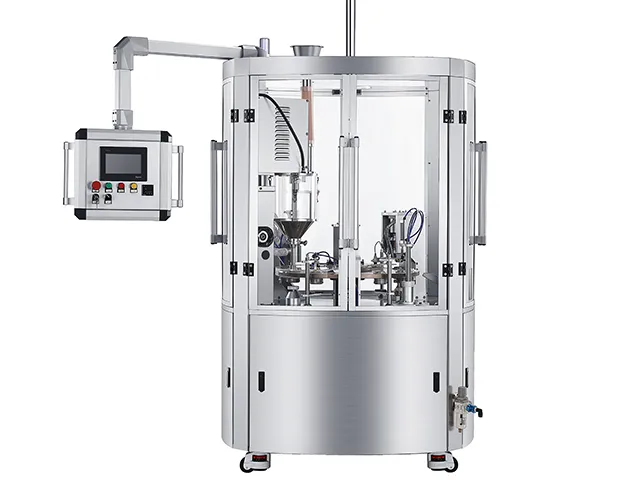
Machine ownership pays off through control and capability as well as potential unit-cost savings.
The obvious benefit is cost. At sufficient volume, an in-house line may remove the co-packer’s conversion margin and reduce freight between facilities.
The less obvious benefits can be more valuable.
Shorter production cycles
An internal team can respond to demand without entering an external production queue. A wholesale replenishment order that once took weeks may fit into the next planned run.
That can reduce finished-goods inventory while improving service. The exact result depends on material lead times, of course. Owning a machine does not help when the printed lids are still on a ship.
Greater recipe and sensory control
Coffee can be ground closer to filling. Operators can adjust grind distribution, dose and process settings with direct feedback from brew tests.
The team can connect production results with roasting data and customer comments. This tighter loop is useful for specialty roasters that do not want the pod format to flatten every coffee into the same cup.
Economical short runs
Once materials and changeovers are under control, a roaster can make smaller batches for subscription members, hotels, office clients, regional retailers and seasonal releases.
That is a commercial capability, not just a production feature. It may let the sales team say yes to business that does not meet a co-packer’s MOQ.
Private-label capacity becomes a service
Idle capacity is usually a cost. It can become revenue if the roaster produces for coffee shops, distributors or corporate-gift programs.
Be careful here, though. Becoming a co-packer means more than filling unused hours. Customer artwork, specifications, incoming materials, release records, confidentiality and complaints all need management. You have changed from product company to service company, at least partly.
Intellectual property stays closer
Some roasters consider the blend, grind strategy or process settings commercially sensitive. In-house production reduces the number of outside parties handling those details.
It does not eliminate risk, but it gives the roaster tighter control over access and records.
What Machine Ownership Really Adds to Your To-Do List
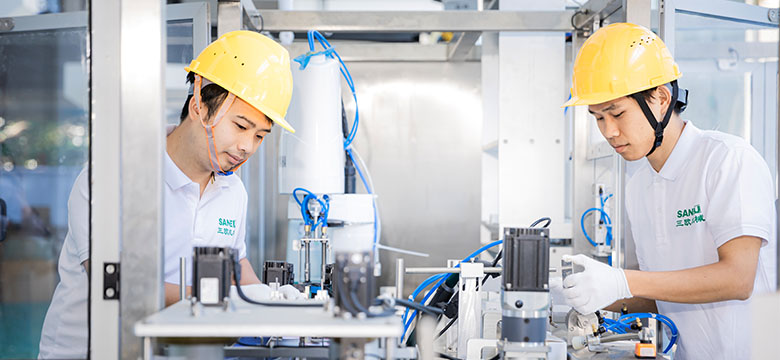
Buying the machine is the short part. Running a dependable food-packaging line is the real job.
An owned line adds responsibilities that the co-packer previously carried:
- Source and qualify cups, filters, lids, cartons and cases.
- Forecast materials around supplier lead times and MOQs.
- Maintain clean production and storage areas.
- Train operators and document procedures.
- Schedule production, changeovers and sanitation.
- Inspect incoming components.
- Measure fill weight, seal quality and residual oxygen.
- Maintain lot traceability and retained samples.
- Stock wear parts and plan preventive maintenance.
- Handle scrap, rework and customer complaints.
- Keep regulatory and certification records current.
The team also needs a clear escalation path. If seal failures rise on a Friday afternoon, who can stop the line? Who diagnoses the cause? Who decides whether the batch is released?
One production owner should have authority over the result. “The roasting team will figure it out” is not a staffing plan.
Compare the Fully Loaded Cost per Saleable Pod
Use the cost of a pod that passes inspection and is ready to sell—not theoretical output and not only material cost.
Start with the co-packed model:
Co-packed cost per saleable pod = quoted conversion or finished-pod price + supplied materials + inbound freight + outbound freight + warehousing + inspection + expected loss
Then add the cost of cash tied up in inventory and any routine expediting. If the co-packer requires you to ship roasted coffee, include coffee loss, outbound freight and administrative handling.
A current public Peacemaker wholesale pod sheet lists one specific offer at $0.26 per cup when the customer supplies at least eight pounds of roasted coffee. It is useful as a visible example, but it is not a US market benchmark. Grind, materials, lids, cartons, order size, certifications and freight can change the quote substantially.
Now calculate the internal model:
In-house variable cost per saleable pod = coffee + cup/filter + lid + direct labor + nitrogen/utilities + secondary packaging + routine consumables + scrap
Add annual fixed cost:
- Equipment payment or depreciation
- Financing cost
- Facility rent allocation
- Compressor and nitrogen-system cost
- Maintenance contracts and planned parts
- Quality equipment and calibration
- Insurance and software
- Salaried supervision
- Training and compliance expense
Then calculate the annual break-even volume:
Break-even pods = annual fixed in-house cost ÷ (co-packed cost per pod − in-house variable cost per pod)
A simple comparison
Suppose a roaster’s fully loaded co-packed cost is $0.43 per saleable pod. The conservative internal variable cost is $0.29. Avoided cost is therefore $0.14.
If annual fixed in-house cost is $140,000:
$140,000 ÷ $0.14 = 1,000,000 saleable pods per year
That is about 83,333 per month. But do not stop there. Add a safety margin, because actual output will include startup scrap, changeovers and downtime.
At 700,000 pods, ownership may lose on pure cost. At 1.3 million stable pods, the case looks stronger. If faster launches create additional profitable sales, ownership may win sooner—but show that value as a separate line, not as a wish wearing a necktie.
Run three scenarios
| Scenario | Volume assumption | Scrap/downtime assumption | Purpose |
| Downside | Current committed demand only | Higher scrap and lower speed | Tests survival if growth pauses |
| Base | Repeat business plus conservative growth | Expected validated performance | Main approval case |
| Upside | Strong pipeline conversion | Improved yield after learning | Shows capacity ceiling and expansion timing |
If ownership works only in the upside case, keep the co-packer a little longer.
Capacity Utilization Matters More Than Brochure Speed
A fast machine running two short days a month may cost more per pod than a slower line with steady work.
Equipment suppliers usually state an ideal maximum speed. Financial models need saleable output over a real shift.
Start with:
Required production rate = forecast saleable pods ÷ available production hours
Then adjust for:
- Product changeovers
- Cleaning and sanitation
- Startup and shutdown
- Operator breaks
- Material replenishment
- Quality sampling
- Minor stops
- Preventive maintenance
- Planned capacity buffer
Overall equipment effectiveness, or OEE, combines availability, performance and quality. You do not need a giant factory dashboard on day one, but the logic matters. A line that is available 85% of the time, runs at 80% of rated speed and yields 97% good product has an OEE of roughly 66%.
That is why 60 pods per minute on a brochure does not automatically equal 28,800 saleable pods in an eight-hour shift.
SKU complexity matters too. Five short runs can consume more time than one long run of the same total volume. Count changeovers, not only pods.
K-Cup Materials Can Decide Which Model Wins
The production model must fit the cup, filter, lid, coffee and shelf-life target as one system.
A K-Cup-compatible pod is small, but it is not simple. The cup needs dimensional stability. The filter controls flow and keeps grounds out of the beverage. The lid must seal to the cup and protect the coffee. Ground coffee must dose cleanly and brew properly.
The SANEU guide to K-Cup packaging materials explains how cup polymers, barrier layers, filter media and lidding structures interact. Those choices influence cost, shelf life, machine settings and reject rates.
Cups and filters
Common cup structures use food-contact polymers such as polypropylene, sometimes combined with a barrier layer. Other designs may pursue recyclable or compostable positioning.
The filter’s shape, attachment and permeability affect extraction. A poorly matched filter can slow the brew, allow sediment or create an unpleasant weak cup.
Before choosing a supplier, test empty filtered K-Cup-compatible pods with the actual coffee and intended brewer range. Verify dimensions, flange flatness, de-nesting behavior, filter consistency, barrier performance and order lead time.
Lids and sealing
Pre-cut foil lids and rollstock must match the cup’s heat-seal layer and the machine’s handling method. Seal temperature, pressure and dwell time work together.
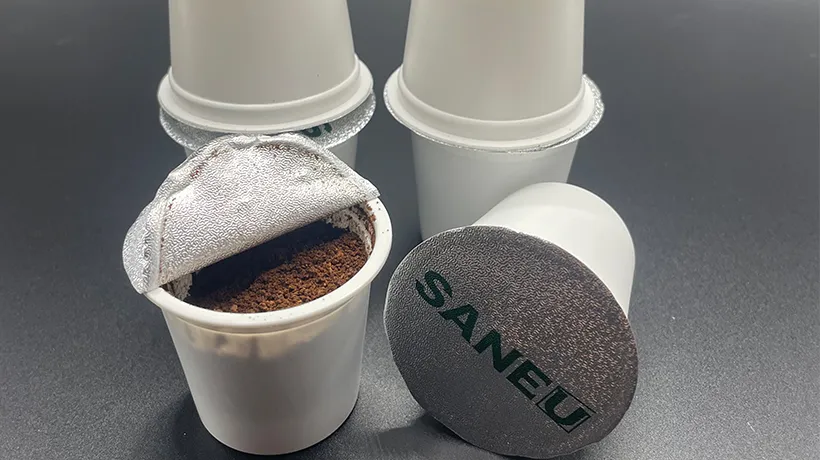
Coffee particles on the flange can create micro-leaks. Excessive heat may distort materials. Too little heat can produce a weak bond. The K-Cup filling and sealing process shows why cup loading, dosing, nitrogen flushing and sealing should be validated as one sequence.
Coffee and grind
The recipe that tastes great in a 12-ounce bag is not automatically pod-ready. Grind distribution affects dosing flow and brewing. Too many fines may slow extraction. A low dose may taste thin at larger brewer settings.
Validate fill weight, cup yield, brew time, sensory profile and shelf life. Do it before signing the large equipment order, not during the first customer shipment. Yes, that happens.
Cartons, labels and cases
Secondary packaging adds cost and operational steps. Printed lids and cartons create artwork approvals and MOQs. Cases need correct counts, lot identification and shipping strength.
Co-pack quotes vary in what they include, so ask whether price covers cup, lid, grinding, nitrogen, coding, cartons, case packing, pallets and freight.
Quality Control: Shared Oversight or Direct Ownership
Co-packing shifts execution to a partner; owning the line gives direct control but also direct accountability.
Under either model, define measurable specifications:
| Quality point | What to define | Why it matters |
| Coffee identity | Lot, roast profile and release status | Prevents the wrong coffee entering production |
| Grind | Target distribution and test method | Affects dosing and extraction |
| Fill weight | Target, tolerance and sampling rate | Protects flavor, label accuracy and yield |
| Seal | Visual criteria and integrity test | Protects freshness and prevents leaks |
| Residual oxygen | Target, timing and test method | Supports shelf-life control |
| Brew performance | Brewer setting, flow time and sensory standard | Confirms real consumer experience |
| Traceability | Coffee, components and finished lot connection | Supports investigation and recall |
With a co-packer, include reporting, sample retention, change-control and nonconformance procedures in the agreement. Define who pays for rejected materials and failed runs.
In-house, build checks into the shift rather than relying only on finished-product inspection. A bad seal detected after 80,000 pods is a very expensive lesson.
Nitrogen flushing can lower oxygen exposure, but it cannot rescue a poor seal. Shelf-life claims should be supported by testing using the final coffee, cup, lid and storage conditions.
Equipment Selection Should Follow the Operating Model
Choose automation after volume, SKU mix, materials and staffing are understood.
A small roaster handling pilots and local private-label work may value simple changeovers more than raw speed. A regional manufacturer with stable club-store volume may need multiple lanes, automatic feeding, inspection and downstream cartoning.
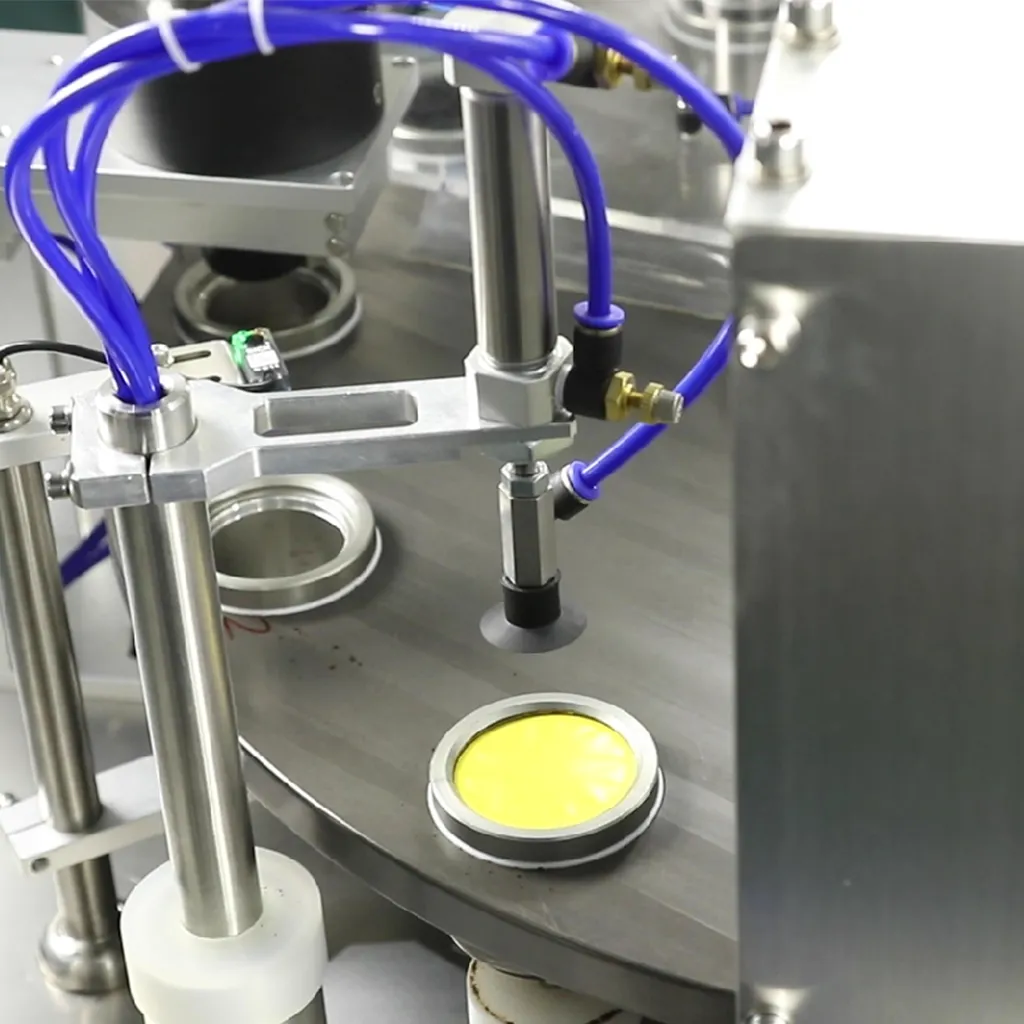
The SANEU K-Cup filling-machine range illustrates the spectrum from smaller systems to higher-output filling and sealing equipment. A compact rotary machine such as the SR-11 production platform may suit a different workload from a multi-lane line.
Ask suppliers about:
- Sustained speed with your coffee and materials
- Fill accuracy at target dose
- Cup and lid feeding reliability
- Nitrogen-flushing configuration
- Seal-temperature control
- Reject detection
- Changeover time
- Cleaning access
- Utility requirements
- Spare-parts availability
- Remote and on-site support
- Factory acceptance testing
- Installation and training
Use your own coffee, cup and lid in trials. A machine running generic granules in a video proves movement. It does not prove your product.
If comparing manufacturers, review the practical criteria in this coffee packaging machine supplier guide, including service response, component quality, documentation and installed support.
Food Safety, Labeling and Certification Responsibilities
Outsourcing can transfer production activity, but the brand owner still needs oversight of product safety and claims.
For an in-house US operation, begin with the FDA’s overview of how to start a food business. Facilities that manufacture, process, pack or hold food for US consumption generally must register unless an exemption applies.
The FDA’s Preventive Controls for Human Food rule explains CGMP, hazard analysis, preventive controls, training and record requirements for covered facilities. Applicability and exemptions should be reviewed for the actual business, preferably with a qualified food-safety professional.
If the pod is organic, the operation and label must follow relevant USDA rules. The USDA organic certification overview is a sensible starting point. A certified co-packer can reduce the setup burden, but the contract should identify whose certificate covers which activity.
Retailers, distributors and foodservice buyers may request SQF, BRCGS or another GFSI-recognized program. These are not automatic legal requirements for every coffee roaster. They are often customer requirements, which can be just as decisive commercially.
Environmental claims need care too. “Recyclable,” “compostable” and similar language must be accurate and appropriately qualified. The SEC’s Keurig recyclability enforcement release is a useful warning that packaging claims are not harmless decoration.
With a co-packer, audit certifications, allergen controls if relevant, traceability, recall processes and change notification. Ownership may be outsourced; brand risk is much harder to outsource.
Which Model Fits Different Coffee Businesses?
The right answer changes with the commercial job the pods need to perform.
Independent coffee shop or micro-roaster
Demand is usually modest and brand-building matters more than production efficiency. Co-packing or a carefully managed small-batch service is often the better fit. The owner should spend Tuesday finding customers, not rebuilding a lid feeder.
Regional specialty roaster
This business may have repeat wholesale volume, its own production team and a strong reason to control taste. A hybrid model often works well: produce core SKUs internally and use the co-packer for seasonal peaks or unusual packaging.
Private-label coffee factory
Frequent small customer orders make flexibility valuable, but SKU complexity creates changeover pressure. Ownership can become a competitive advantage if scheduling, artwork, quality agreements and component inventory are disciplined.
Office coffee service and distributor
These companies value reliable replenishment and broad assortments. Co-packing may remain attractive unless volume across owned brands is large and predictable. Holding finished inventory closer to demand may matter more than recipe experimentation.
E-commerce or influencer-led brand
Demand can spike and disappear quickly. Co-packing protects capital during validation. Owning equipment before repeat purchase is visible is a risky bet, even if launch-week sales look fantastic.
Hospitality and institutional supplier
Contracts can offer stable volume, which supports an owned line. Yet service penalties and audit expectations are serious. Redundant capacity or a backup co-packer may still be necessary.
The Hybrid Model Is Not Indecision
A hybrid model separates stable work from volatile work and assigns each to the best production route.
Suppose a roaster sells three evergreen K-Cup-compatible blends, two seasonal varieties and ten small private-label accounts.
The core blends run internally on scheduled campaigns. The co-packer handles holiday overflow, certified products outside the roaster’s scope and a special compostable format that requires different tooling.
This arrangement can:
- Improve utilization of the owned line
- Preserve emergency and overflow capacity
- Avoid buying every possible tool
- Support gradual operator learning
- Reduce transition risk
- Provide leverage in future co-pack negotiations
It does add planning complexity. Specifications must remain aligned across two sites. Consumers should not notice which facility made the pod.
The hybrid model is especially useful during the first year of ownership. Cutting off a reliable co-packer the day a new machine arrives is bold in the same way that removing a bridge before the new one opens is bold.
A Practical Decision Scorecard
Score each statement from 0 to 2:
- 0: Not true
- 1: Partly true
- 2: Clearly true and supported by evidence
| Readiness statement | Score |
| We have at least 12 months of repeatable pod demand. | 0–2 |
| No single uncertain customer makes the forecast collapse. | 0–2 |
| Conservative volume exceeds calculated break-even. | 0–2 |
| Co-pack lead time or MOQ causes measurable lost sales or excess stock. | 0–2 |
| Faster product changes would create profitable revenue. | 0–2 |
| We have suitable space, power, air and material flow. | 0–2 |
| We can fund equipment and working capital without starving the core business. | 0–2 |
| A qualified person will own production and quality. | 0–2 |
| We can source compatible cups and lids from dependable suppliers. | 0–2 |
| We have a realistic compliance and food-safety plan. | 0–2 |
| Equipment support and critical spare parts are available. | 0–2 |
| We have a backup plan during installation and downtime. | 0–2 |
Interpret the result carefully:
- 0–9: Co-packing probably fits better today.
- 10–17: Explore a hybrid model and close specific gaps.
- 18–24: Ownership deserves a full feasibility study and supplier trials.
This score is not an investment approval. Its job is to expose weak assumptions before money moves.
Red Flags in a Co-Packing Agreement
A cheap quote can become expensive when specifications, ownership and remedies are vague.
Review:
- What exactly is included in the quoted unit price?
- Who owns custom tooling, artwork plates and unused materials?
- What is the MOQ per coffee, lid and carton?
- When does lead time begin?
- Can pricing change when material costs move?
- What yield or loss is assumed for customer-supplied coffee?
- How are nonconforming goods investigated and credited?
- Can the partner substitute a component without written approval?
- Who holds certifications and production records?
- What happens to remaining inventory when the relationship ends?
- Are recipe, customer and sales details confidential?
- Is there a realistic exit and transfer process?
Do not judge the partner only by price. Communication, scheduling reliability, technical ability and transparent corrective action are part of the product.
Red Flags in a Filling-Machine Proposal
Treat unsupported speed, vague scope and weak service terms as financial risks.
Pause when:
- Speed is quoted without naming the tested product and materials.
- The proposal excludes essential feeding, coding or nitrogen equipment.
- Fill accuracy has no test method or operating range.
- Factory testing uses a different cup, lid or powder.
- Utility requirements are incomplete.
- No changeover time is provided.
- Wear parts and recommended spares are not listed.
- Manuals and electrical drawings are unavailable.
- Installation responsibility is fuzzy.
- Service response depends on one person in one time zone.
Request a written acceptance protocol. Define sustained run time, acceptable fill tolerance, seal criteria, reject rate and documentation. A factory acceptance test should answer whether the configured line meets the agreed job—not whether the machine can rotate impressively.
How to Move From Co-Packing to Machine Ownership
Transfer proven SKUs gradually while the external supply route remains available.
Phase 1: Build the baseline
Collect 12 months of volume, co-pack invoices, freight, material loss, stockouts and inventory. Record quality issues and response time. You need a fair baseline before claiming savings.
Phase 2: Define the product
Lock the target coffee, grind, dose, cup, filter, lid and case configuration. Set measurable quality criteria and expected shelf life.
Phase 3: Model the economics
Calculate downside, base and upside cases. Include facility work, people, working capital, scrap and downtime. Get finance and operations to challenge the assumptions.
Phase 4: Run supplier trials
Test actual materials. Brew the result. Measure dose, seals and oxygen. Confirm output over a meaningful continuous run.
Phase 5: Prepare the site and system
Complete utilities, layout, sanitation procedures, traceability, maintenance planning, training and component inventory before commercial launch.
Phase 6: Transfer one stable SKU
Choose a product with steady demand and simple materials. Compare internal results against co-packed controls. Do not move every customer on day one.
Phase 7: Keep contingency capacity
Retain enough co-packed inventory or partner access to protect customers during ramp-up. Once the internal process is stable, decide which work should stay outside.
Questions to Answer in the Final Meeting
Before approving either model, the leadership team should answer these questions in plain English:
- What business problem are we solving?
- Is the problem cost, lead time, quality, innovation—or a mixture?
- Which sales are repeatable and which are still hopeful?
- What is our fully loaded cost per saleable pod under both models?
- What happens if volume is 25% below plan?
- How many changeovers will a normal month require?
- Who owns production, quality and maintenance?
- Can our component suppliers support the plan?
- What compliance or customer certifications are required?
- How will we serve customers during a long equipment failure?
If the answers are specific and supported, the decision is probably ready. If the room keeps returning to “we think,” do another round of homework.
Conclusion: Choose the Model That Protects the Whole Business
K-Cup co-packing fits roasteries that need a quick launch, modest capital exposure, specialist capability and flexibility while demand develops. It is often the sensible model for new brands, low-volume SKUs and teams whose best use of time is selling coffee.
Owning a filling machine fits roasteries with repeatable volume, enough margin and cash to absorb the learning curve, a suitable facility and people ready to operate a food-packaging process. It can improve cost, speed, quality control and product flexibility. It can also become an expensive metal roommate if utilization never arrives.
A hybrid model fits the broad middle. Stable products run inside. Peaks, special formats or certified work stay with a partner. That is not a failure to choose. It is capacity design.
The final decision should survive a downside forecast. It should account for every material, every handoff and every new responsibility. Most of all, it should support the roastery’s real competitive advantage.
If customers buy from you because of roast quality, service and clever products, choose the production model that strengthens those things. The goal is not to own more machinery. The goal is to build a better coffee business.
FAQs About K-Cup Co-Packing and Filling Machines
1. What is a K-Cup co-packer?
A K-Cup co-packer is a third-party company that fills and seals K-Cup-compatible pods for another brand. Services may also include grinding, nitrogen flushing, lid printing, cartoning and shipping.
2. Is co-packing the same as private label?
No. Co-packing describes who performs production. Private label describes whose brand appears on the product. A co-packer can produce a custom private-label coffee, a customer-supplied recipe or both.
3. Is it cheaper to make K-Cups in-house?
It can be at stable volume, but not automatically. Compare the co-packed landed cost with internal materials, labor, scrap, utilities, maintenance and annual fixed cost per saleable pod.
4. How many K-Cups do I need to sell before buying a machine?
There is no universal threshold. Divide annual fixed in-house cost by the savings per pod, then test whether conservative repeat demand clears that break-even volume with room for error.
5. What does a K-Cup co-packer charge?
Pricing varies with order size, coffee source, dose, cup and lid type, secondary packaging, certifications and freight. Ask for an itemized quote so competing offers cover the same scope.
6. What is a typical K-Cup co-packing MOQ?
MOQs vary widely by producer and may apply separately to coffee, lids, cartons or the finished run. Custom printed materials can create higher effective minimums than production itself.
7. How much does a commercial K-Cup filling machine cost?
Cost depends on automation, lanes, output, dosing system, nitrogen flushing, coding, inspection and downstream packing. Budget for the complete installed project, not only the base machine.
8. Can a small coffee roaster fill K-Cups in-house?
Yes, with compact or semi-automatic equipment. The decision still requires suitable space, consistent materials, trained staff, quality checks and enough demand to justify the time.
9. Does a K-Cup line need nitrogen flushing?
Nitrogen is commonly used to reduce oxygen around ground coffee and support freshness. The required configuration and target should come from shelf-life goals and validation, not a generic promise.
10. What materials are needed for K-Cup production?
The core inputs are roasted ground coffee, a compatible cup and filter, lidding material, cartons or other secondary packaging, cases and coding supplies. Nitrogen may also be used.
11. How much space does a K-Cup filling line require?
Machine footprint is only part of it. Include operator access, maintenance clearance, material staging, clean product flow, quality testing and finished-goods storage.
12. Who is responsible when co-packed pods fail quality checks?
The contract should define specifications, sampling, investigation, material ownership and financial responsibility. Without that detail, disputes become slow and expensive.
13. Can a roaster use both a co-packer and its own machine?
Yes. Many businesses use internal capacity for repeat SKUs and a co-packer for overflow, unusual formats, certified runs or emergency coverage.
14. Should we keep the co-packer after installing a machine?
Usually yes, at least during ramp-up. Continued access can protect customer service during training, seasonal peaks, maintenance and unexpected downtime.
15. What should we test before buying a K-Cup filling machine?
Test the actual coffee, grind, dose, cup, filter and lid. Measure sustained output, fill accuracy, seal integrity, residual oxygen, reject rate, changeover time and brew performance.