A coffee pod and its carton may look like two separate purchases. They are not. They work as one little business system. Think of it like selling a nice cake in a shoe box. The cake may be excellent, but the package makes the whole offer feel wrong.
There is real opportunity here. The National Coffee Association reported that 66% of American adults drank coffee in the past day in spring 2026, while 85% of past-day drinkers had coffee at home. Single-cup machines were also among the leading home brewing methods. In other words, home coffee is not a side habit. It is a very busy market. (National Coffee Association)
So, what should a startup choose? Start with the beverage and pod barrier. Then match the pod count and carton structure to the sales channel. Cost, labeling, shipping, and packing speed come next. Doing it in that order saves a surprising amount of rework.
First, Separate the Pod Type From the Carton Type
People call almost every single-serve format a “coffee pod.” Technically, a soft pod is a flat paper sachet, while a K-Cup-style product is a rigid capsule. Nespresso-compatible and Dolce Gusto capsules are different again. The brewer decides what fits. Before ordering, review the differences between K-Cups, pods, and capsules.
It also helps to split packaging into three layers:
- Primary packaging touches or contains the product: the cup, internal filter, ground coffee or beverage powder, and lid.
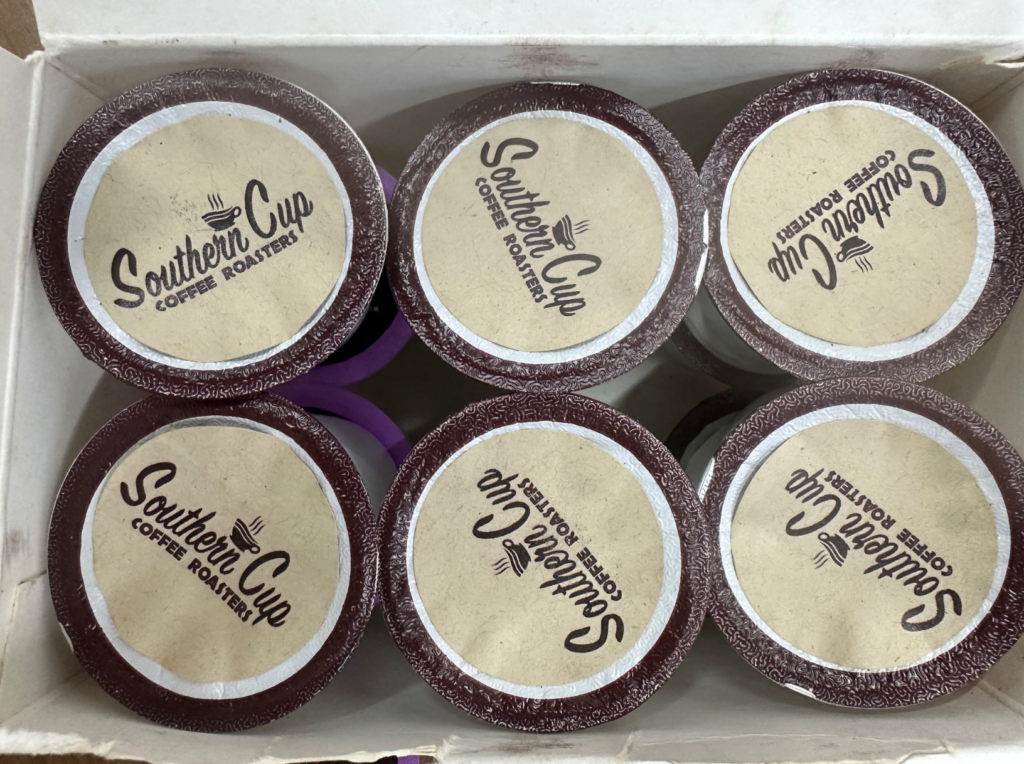
- Secondary packaging groups the pods for sale: usually a printed folding carton, dispenser, sleeve, or mailer.
- Tertiary packaging moves saleable units through distribution: corrugated master cases, stretch wrap, and pallets.
The pod and lid do the heavy work of protecting flavor from oxygen and moisture. The retail carton protects sealed pods from knocks, presents the brand, carries information, and helps stores or warehouses handle the product. It supports freshness, but it is not the main freshness barrier.
Choose the K-Cup Pod Before Designing the Box
Pod Construction and Barrier Options
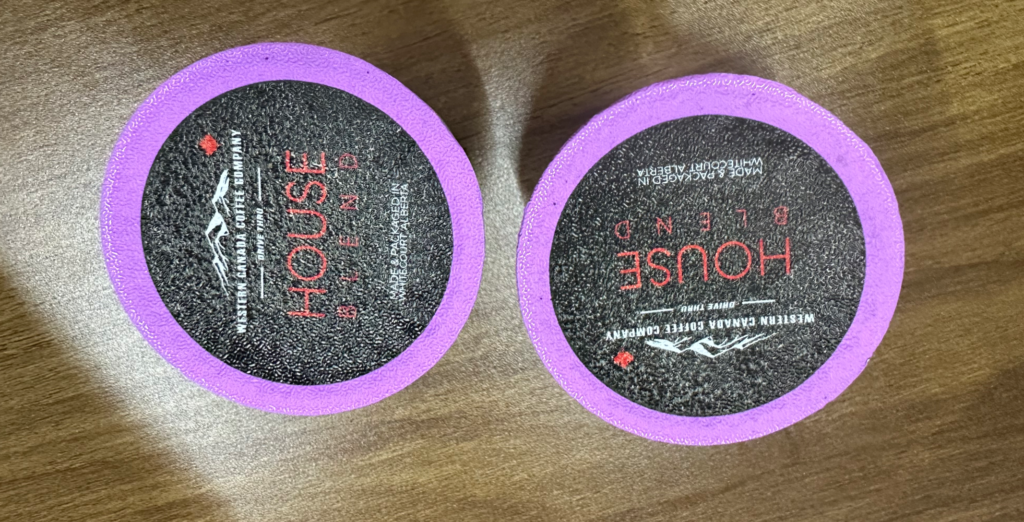
Standard K-Cup-compatible shells are often made from polypropylene. Some structures add a barrier layer such as EVOH to slow oxygen transmission. That can help shelf life, though multilayer materials may be harder to recycle in practice.
Recyclable-compatible and compostable options are also available. Neither label should be treated as magic. A pod may be technically recyclable but not accepted by the buyer’s local program. A compostable capsule may require an industrial facility rather than a backyard pile.
The choice depends on:
- brewer compatibility;
- oxygen and moisture barrier;
- required shelf life;
- heat-sealing window;
- puncture and brewing performance;
- local recovery infrastructure;
- total material cost.
Ask for material specifications, seal data, migration documentation, and filled shelf-life results. A sales sample is nice. Evidence is nicer. This guide to K-Cup packaging materials explains the barrier question.
The Filling Changes the Packaging Brief
Regular coffee is the obvious product, but the same format can carry decaf, flavored coffee, tea, cocoa, and soluble beverage mixes. Each brings a small twist.
Flavored products need very clear identification, especially in a variety carton. Cocoa or dairy-containing mixes can introduce allergen and cleaning controls. Fine soluble powders may create more dust around the sealing area. Decaf lids and cartons should look different enough that a tired person at 6 a.m. will not grab the wrong one.
| Pod or Product Type | Typical Application | Packaging Issue to Watch |
| Standard high-barrier coffee pod | Mainstream retail coffee | Shelf life, seal protection, roast and count clarity |
| Flavored coffee | Variety and seasonal packs | Flavor identification and cross-contact controls |
| Decaf coffee | Retail and hospitality | Highly visible decaf identification |
| Tea or herbal pod | Beverage variety | Product name and brewing directions |
| Cocoa or soluble mix | Family and office packs | Ingredients, allergens, dust, and cleaning |
| Compostable-format pod | Sustainability-led brand | Certification scope and qualified disposal claims |
A startup should freeze the fill weight, filter, shell, lid, and expected shelf life before approving the carton dieline. If the shell dimensions change later, even a little, the neat 3-by-4 arrangement may become a wobbly mess.
Common K-Cup Box Sizes and Where They Fit
Pod count is not just a number on the front panel. It controls the retail price, box dimensions, shipping cube, reorder cycle, and number of units produced from one filling run.
Sample Packs: 3 to 6 Pods
Small packs work for trade shows, discovery kits, and first-order samples. The catch is a high packaging cost per pod.
Retail Packs: 10 to 12 Pods
A 10- or 12-count folding carton is a sensible first retail format. It has a manageable shelf footprint and a lower checkout price than a large value pack.
Regular and Value Packs: 18 to 24 Pods
These packs offer better value per serving and suit household use, subscriptions, and DTC bundles. The higher checkout price, however, can slow trial for an unknown brand.
Office, Club, and Hospitality Packs: 36 to 120+ Pods
Large packs are about efficiency. Offices may prefer a corrugated dispenser over a glossy carton. Hospitality and club channels usually value clear case labels, lot codes, and easy replenishment.
| Pod Count | Best-Fit Channel | Main Advantage | Main Risk |
| 3–6 | Sampling and discovery | Low buyer commitment | High packaging cost per pod |
| 10–12 | Grocery and specialty retail | Familiar, shelf-friendly format | Lower value perception |
| 18–24 | Retail, DTC, subscription | Better value and reorder interval | Bigger box and ticket price |
| 36–48 | Office and ecommerce | Efficient repeat purchase | More transport protection needed |
| 72–120+ | Club, wholesale, hospitality | Low pack cost per pod | Bulky storage and handling |
Variety packs need an extra decision: the flavor split. A 24-count box might contain four flavors with six pods each. Put that allocation on the carton. Then support it with lid colors, operator pick sheets, checkweighing, or vision inspection. “Probably six of each” is not a quality system.
Also, keep the carton honest. A box that looks half-empty can create a shrinkflation feeling even when the count is printed correctly. If the pod count drops, the carton should usually shrink too.
Six Coffee Pod Carton Types a Startup Can Use
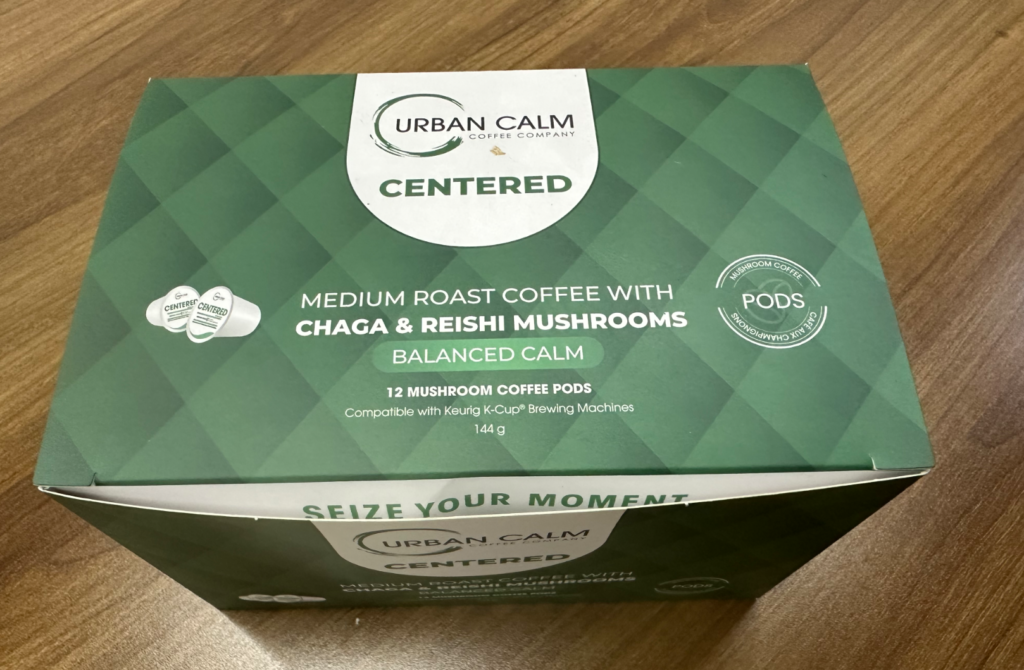
1. Straight or Reverse Tuck-End Carton
This is the familiar printed folding box. It is easy to display and can be packed by hand or machine. A simple tuck carton often gives a startup the cleanest balance of cost, graphics, and retail presence.
2. Auto-Lock Bottom Carton
An auto-lock, or crash-lock, base opens faster during manual packing and supports more weight than a basic tucked bottom. It costs more to convert, but the saved labor can matter on a busy packing day.
3. Tear-Away Dispenser
A perforated panel turns the carton into a counter or pantry dispenser. This format works well in offices, hotels, and shared kitchens. Test the perforation with filled pods. A line that tears too easily can open during shipping; one that is too strong makes customers wrestle with the box. Neither is charming.
4. Tray-and-Sleeve or Drawer Box
This structure creates a premium unboxing moment and holds mixed flavors neatly. It suits gifts, seasonal launches, and curated subscriptions. It also uses more board and assembly labor, so it is rarely the cheapest everyday format.
5. Corrugated Ecommerce Mailer or Bulk Shipper
A snug corrugated mailer handles parcel networks better than a light folding carton. In some DTC programs, the consumer pack can also be the shipping container. That removes an outer box, but only if the graphics can survive labels, scuffs, and rain on a doorstep.
6. Shelf-Ready or Display-Ready Case
Here, the outer case opens into a retail display. Store staff remove a panel and place the remaining tray on the shelf. It can reduce stocking time, but the retailer should approve the dimensions, opening method, and case quantity before production.
Inserts and dividers are optional. Use them when they prevent movement, protect seals, organize flavors, or improve presentation. Skip them when a tight pod arrangement already does the job. Extra paperboard added for no clear reason is just more cost wearing a tiny hat.
Carton Materials and Printing, Minus the Fog
For premium folding cartons, converters often recommend solid bleached sulfate or a similar white paperboard. It prints cleanly and folds well. Recycled paperboard and kraft board can support a more natural look, although color and surface consistency may vary.
Corrugated board is better when compression and parcel protection matter. E-flute keeps the profile relatively slim. B-flute is thicker and tougher. The actual answer depends on the pack weight, route, stacking height, climate, and whether the carton is a retail unit or master shipper.
Printing follows a similar trade-off:
- Digital printing is handy for prototypes, seasonal designs, and shorter runs.
- Offset printing delivers polished folding cartons and becomes economical at higher quantities.
- Flexographic printing is common for corrugated cases and longer industrial runs.
Finishes include aqueous coatings, varnishes, matte or gloss effects, embossing, and foil. Pick them for a job, not because a mood board looked expensive. A dark matte carton that shows every scuff may photograph beautifully and arrive looking tired.
Request a structural sample, a color proof, and finally a production-made sample. Check fold cracking, glue, rub resistance, barcode quality, and how flat-packed cartons behave in storage. The same thinking applies across other single-serve coffee packaging formats.
Match the Carton to the Sales Channel
| Sales Channel | Practical Starting Format | Why It Fits |
| Grocery or specialty retail | 10–12 or 18–24 count folding carton | Clear shelf communication and familiar size |
| DTC ecommerce | 18–48 count protected carton or snug mailer | Better shipping efficiency and order value |
| Subscription | 12–24 count variety pack or changing sleeve | Easy seasonal updates and repeat engagement |
| Office coffee service | 24–96 count dispenser or corrugated case | Quick access and less decorative waste |
| Hotel and hospitality | Bulk case with clear flavor and lot coding | Efficient storage and traceability |
| Gift or seasonal launch | Tray-and-sleeve variety carton | Premium presentation and organized assortment |
Retail buyers care about shelf size, price, barcodes, and case packs. Ecommerce teams care about dimensional weight and drop resistance. Hotels care about fast storeroom identification.
Same pod, very different box.
The Real Startup Cost Is More Than the Box Quote
A low carton price can mislead because one finished SKU has several minimum order quantities. The shell, lid, co-packing, carton, and master-case suppliers may all set different minimums, sometimes per artwork or flavor.
Calculate the cost of a saleable carton, not one loose pod:
landed carton cost = filled pods + printed carton + packing labor + coding and QC + master case + freight + warehousing + expected loss
Tooling, plates, dielines, prototypes, and changeovers may sit outside that number. Ask.
Here is where startups get into a pickle. One roast in 12- and 24-count packages is already two SKUs. Add regular, decaf, and vanilla, and the inventory tree grows fast.
A calmer launch plan is:
- Start with one or two core beverages.
- Choose one main retail count.
- Use a shared carton architecture where possible.
- Test new flavors with digital print, sleeves, or compliant labels.
- Move to dedicated high-volume print only after demand is visible.
Empty space also costs twice: once in board and again in shipping cube. Build a physical arrangement with real filled pods before requesting final dimensions. Do not inflate the carton just to look larger. Customers notice, and not in the good way.
Make Sure the Carton Works on the Packing Line
A startup can hand-pack a market test. That is fine. As orders rise, carton erecting, pod loading, flap closing, coding, and case packing can become the bottleneck.
The carton and equipment suppliers should agree on:
- dieline dimensions and tolerances;
- opening direction and loading pattern;
- board caliper and stiffness;
- glue and closure zones;
- pod orientation;
- date or lot-code area;
- case quantity and pallet pattern.
Use count verification appropriate to the risk: an operator check at low volume, then checkweighing, sensors, or vision at scale. Variety packs need stronger controls than single-flavor boxes.
The K-Cup filling and sealing process should also be reviewed before the secondary pack is frozen. Seal integrity, fill weight, nitrogen flushing, rejection, and downstream handling all affect the final line.
Later, compare K-Cup filling machine options against real demand, labor, changeover time, and downstream capacity. Buying a filler that produces 100 pods a minute does not help much if two people can carton only 30.
Labeling, Testing, and Standards Belong on the Checklist
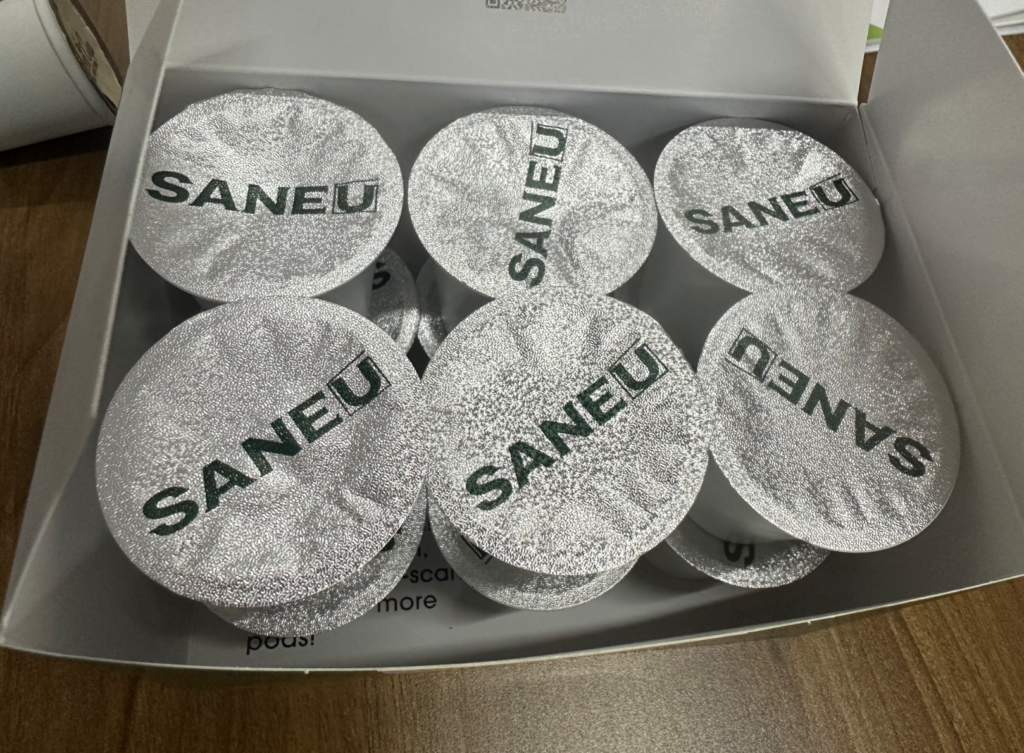
For products sold in the United States, the carton may need a statement of identity, net quantity, business name and address, ingredient information, allergen disclosure, and Nutrition Facts where applicable. Requirements vary with the product and claims. The FDA does not pre-approve food labels, so the business remains responsible for compliance. Its Food Labeling Guide is a starting point, not a substitute for a current regulatory review.
Also plan for:
- a lot or production code;
- best-by information where used;
- brewing and storage directions;
- GS1-issued product identifiers and a scannable UPC;
- case labels required by distributors or retailers;
- accurate compatibility language and trademark usage.
Sustainability claims need just as much care. A recyclable paper carton does not make the complete pod system recyclable. The FTC advises marketers to avoid broad, unqualified environmental claims and to qualify recyclable or compostable claims when access or conditions are limited. Review the FTC Green Guides summary before printing “eco-friendly” across the front panel.
Relevant references include ASTM D6400 for certain compostable plastics, FSC chain-of-custody rules, ISTA 3A for parcel delivery, and ASTM D4169 for distribution testing. The route to market determines the test plan.
At minimum, test filled production-like packs for:
- drop and vibration exposure;
- top-load and compression strength;
- scuff and rub resistance;
- perforation performance;
- barcode scanning;
- glue and flap security;
- pod movement and lid damage.
An empty presentation sample proves that the artwork looks nice. It does not prove the package works.
Common Packaging Problems and Practical Fixes
| Problem | Why It Happens | Practical Fix |
| Oversized box with loose pods | Artwork began before the pack layout | Build a real pack-out and reduce void space |
| Good graphics but cracked folds | Material was approved only on screen | Approve a printed structural sample |
| Affordable MOQ, painful inventory | Every flavor and count became a SKU | Launch fewer SKUs; use modular labels or sleeves |
| Damaged pod seals | Pods move or carry stacking load | Adjust orientation, clearance, dividers, and shipper strength |
| Vague green claim | The carton and pod were treated as one item | Name the component and qualify the claim |
| Filler waits for hand packing | Downstream capacity was ignored | Measure total line output and phase in cartoning |
| Wrong variety mix | Counting depends on memory | Add color control, verification, or checkweighing |
A Quick Decision Checklist Before Requesting Quotes
- Confirm brewer compatibility and the pod specification.
- Lock the formula, fill weight, lid, and target shelf life.
- Choose the launch channel and target selling price.
- Select the pod count and any variety allocation.
- Build the physical arrangement before finalizing dimensions.
- Decide whether the consumer carton must survive parcel shipping.
- Combine all MOQs and calculate landed cost per saleable carton.
- Map label content, barcode, claims, lot coding, and retail rules.
- Test filled prototypes through expected distribution hazards.
- Plan how manual packing can grow into semi-automatic or automatic cartoning.
Conclusion
The best startup package is usually not the fanciest custom K-Cup box. It is the smallest sensible system that protects the pods, tells the buyer exactly what is inside, fits the sales channel, and can scale without a full redesign.
Begin with one proven pod, one clear box count, and one tested carton structure. That may feel almost too simple. Good. Complexity will arrive on its own once more flavors, retailers, and order sizes show up.
FAQs
1. How many K-Cup pods usually come in one box?
Common consumer formats include 10, 12, 18, and 24 pods. Sample boxes may hold 3–6 pods, while office, club, and hospitality packs often contain 36–120 or more. There is no mandatory universal count.
2. Is a 12-count or 24-count K-Cup box better for a startup?
A 12-count box usually offers a lower trial price and smaller retail footprint. A 24-count box can deliver better value per pod and suit DTC or subscriptions. Choose based on channel, target price, and reorder behavior.
3. How do I calculate the right carton dimensions?
Arrange real, filled pods in the intended rows and layers. Add only the clearance needed for loading, board thickness, and transport protection. Then let the packaging converter turn that arrangement into a dieline and physical prototype.
4. Do K-Cup cartons need inserts or dividers?
Not always. A snug single-flavor pack may work without them. Use dividers when pods move, lids rub, flavors must stay organized, or the unboxing experience requires a fixed presentation.
5. What carton style is best for retail K-Cup pods?
A straight or reverse tuck-end folding carton is a strong starting point. It prints well, displays neatly, and can be packed by hand or machine. Final approval should reflect the retailer’s shelf and case requirements.
6. Should ecommerce packaging be different from retail packaging?
Often, yes. A light retail carton may need an outer corrugated mailer for parcel delivery. Alternatively, a well-designed corrugated consumer pack can serve both jobs. Test it for drops, vibration, moisture exposure, and scuffing.
7. What is a typical MOQ for custom K-Cup boxes?
It varies widely by supplier, structure, print method, and artwork. Digital cartons may support shorter runs, while offset-printed boxes become more economical at higher volumes. Ask whether the MOQ applies per size, design, flavor, or total order.
8. What information should go on a K-Cup carton?
Typical information includes product identity, pod count or net quantity, business details, ingredients, allergens where applicable, brewing directions, barcode, and lot coding. Requirements depend on the product and market, so obtain a current label review.
9. Are recyclable and compostable K-Cup packages the same?
No. Recyclable materials enter a recovery and reprocessing stream. Compostable materials break down under specified composting conditions. A carton and pod may also have different disposal routes, so label each component clearly.
10. Can one carton contain several K-Cup flavors?
Yes. Variety packs are popular for sampling and subscriptions. State the flavor allocation clearly and use controlled picking, lid colors, checkweighing, or vision inspection to keep every carton consistent.