
أحد الزبائن الدائمين يحب مزيج القهوة الخاص بكم. في المنزل، يقوم بطحن الحبوب الكاملة. لكن في المكتب، لا يوجد سوى آلة «كيوريغ» وحيدة بجوار آلة النسخ. فتختفي القهوة من تلك المرحلة من يومه.
تلك الفجوة هي الفرصة الحقيقية. ليست “شعبية الكبسولات”، ولا “هذه الآلة تنتج 100 كوب في الدقيقة”. الفرصة الحقيقية هي العميل الذي يمكنك الوصول إليه في اللحظة التي لا يلبي فيها منتجك الحالي احتياجاته.
بالنسبة لمعظم محامصي البن المستقلين، فإن المسار المنطقي بسيط: اختبار نوع واحد من القهوة مع العملاء الحاليين أو مع عميل B2B ملتزم، والاستعانة بمُعبِّئ خارجي طالما أن حجم الطلب غير مؤكد، وعدم التفكير في الإنتاج الداخلي إلا بعد أن يتضح وجود طلب متكرر. وشراء خط تعبئة قبل إثبات جدوى القناة يشبه بناء ممر لخدمة السيارات قبل التحقق مما إذا كانت السيارات تستخدم الطريق أم لا.
لماذا لا يزال القهوة المعبأة في عبوات فردية تستحق الاهتمام في الولايات المتحدة
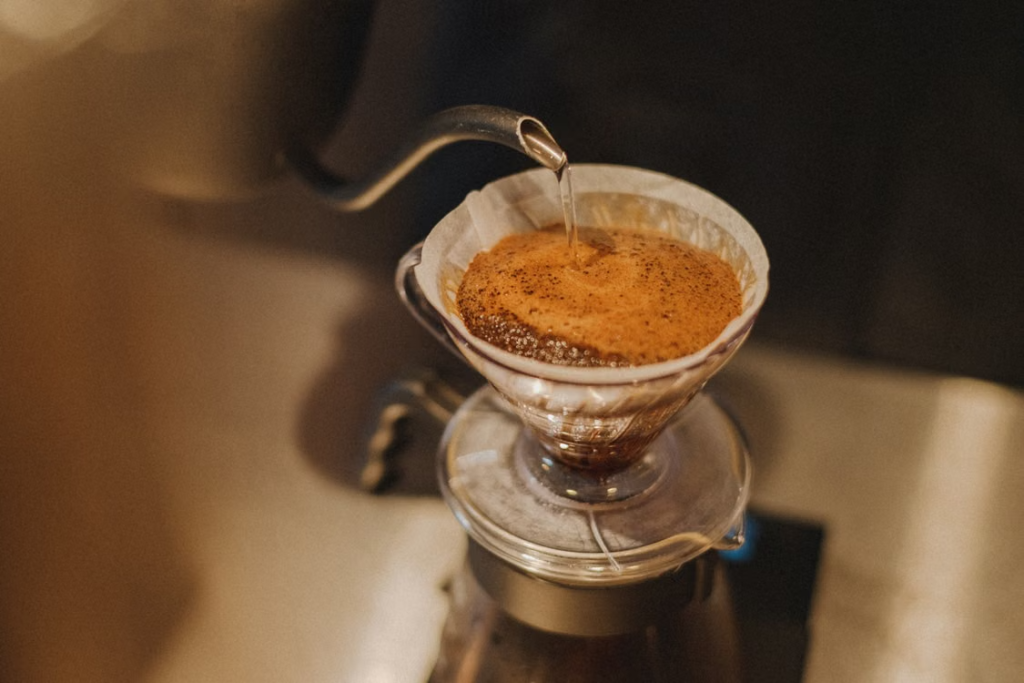
الطلب الواسع النطاق حقيقة واقعة. فقد أفادت «الرابطة الوطنية للقهوة» في أبريل 2026 بأن ما يقرب من 195 مليون أمريكي بالغ يشربون القهوة أسبوعيًا. كما كشفت الدراسة الاستقصائية التي أجرتها الرابطة في ربيع عام 2026 على عينة من 1,850 بالغًا أمريكيًّا أن 82% ممن شربوا القهوة في اليوم السابق قد أعدوا قهوتهم في المنزل. انظر نتائج دراسة NCA حول القهوة لربيع عام 2026 للتوضيح.
أعلنت شركة «كوريغ در بيبر» عن تحقيق مبيعات صافية بلغت $4.0 مليار في العام المالي 2025 لقطاع القهوة في الولايات المتحدة. وارتفعت مبيعات كبسولات «كي-كوب» في حين انخفضت مبيعات آلات تحضير القهوة، مما يدل على أن أداء المواد الاستهلاكية والأجهزة يمكن أن يختلف. أما شركات تحميص القهوة المستقلة فتقوم بـ لا تتبع نفس النموذج الاقتصادي لمالك المنصة. انظر نتائج العام المالي 2025 بالكامل من حيث النطاق.
تقدم محامص القهوة المستقلة مزايا لا يمكن للسلسلة الوطنية محاكاتها بسهولة: الثقة المحلية، والقهوة التي تترك انطباعًا لا يُنسى، وردود الفعل المباشرة من العملاء، والقصص المرنة، والعلاقات القائمة مع المقاهي أو تجار الجملة. ما هو الجانب الصعب في الأمر؟ قد يكون مشترو الكبسولات حساسين تجاه السعر ويهتمون بالراحة في المقام الأول. فهم يتوقعون أن يتم ثقب الكبسولة وتدفق القهوة ومذاقها بشكل متسق في كل مرة. إنهم لا يبحثون عن لغز صغير في تحضير القهوة في الساعة 6:30 صباحًا.
ست فرص واعدة في مجال كبسولات القهوة
“السوق الأمريكية” ليست قناة مبيعات. فمدير الفندق، والزبون الدائم للمقهى، ومسؤول المشتريات في متجر البقالة، وعميل العلامة التجارية الخاصة، جميعهم يشترون لأسباب مختلفة.
| فرصة | ميزتك الحالية | أفضل اختبار أولي | المخاطر الرئيسية |
| عملاء المقاهي والتجارة الإلكترونية | إنهم يثقون بالفعل في القهوة | مزيج «One Hero» مع الطلب المسبق أو إصدار محدود | قد لا يرغب عشاق الحبوب الكاملة في شراء القرون |
| اشتراك DTC أو حزمة متنوعة | أنت المسؤول عن العلاقة مع العميل | إضافة إلى اشتراك قائم | معدل فقدان العملاء وتكاليف تلبية الطلبات |
| الفنادق والمنتجعات وأماكن الإقامة المخصصة لقضاء العطلات | القهوة المحلية تُثري تجربة الضيوف | تجربة تجريبية في عقار واحد أو نوع غرفة واحد | ضغوط الأسعار ومتطلبات الخدمة |
| المكاتب والهدايا المؤسسية | الراحة تلتقي مع الشراء المحلي | اختبار باستخدام حساب جملة حالي | الطلب المتفاوت أو الموسمي |
| متاجر البقالة ومتاجر التجزئة المتخصصة | التقدير الإقليمي | طلبية صغيرة تتضمن منتجًا واحدًا أثبت نجاحه | العروض الترويجية، هامش الموزع، عمليات رد المبالغ المدفوعة |
| العلامات التجارية الخاصة والتعاونات | مهارة التحميص بالإضافة إلى العلاقات المحلية | متجر تجزئة واحد، أو مقهى، أو منظمة غير ربحية، أو شريك في تنظيم الفعاليات | عدد كبير جدًّا من الدفعات الصغيرة المصنعة حسب الطلب |
تحويل المعجبين الحاليين إلى عملاء يبحثون عن الراحة
غالبًا ما يكون المشتري الأسهل موجودًا بالفعل عند منضدتك. يمكن لعلبة تحتوي على 12 حبة أن توسع نطاق استخدام مزيج القهوة المنزلي ليشمل المكاتب ومنازل العطلات وأوقات الصباح المزدحمة. قم بتقديمها على أنها نسخة مريحة من القهوة، وليس نسخة مكررة من القهوة المُعدة بطريقة «البور أوفر» المُحسَّنة.
قد تشجع حزمة الأصناف المتنوعة من DTC العملاء على تجربة المنتج. لكن كل نكهة تتطلب غطاءً إضافيًا، وعلبةً إضافية، ودفعةً إضافية من القهوة، وكومةً إضافية في المخزون. ابدأ برقم تعريف المنتج (SKU) رئيسي واحد. قد تبدو الخيارات السبعة مثيرة للإعجاب، إلى أن يتوقف بيع ستة منها.
استخدام قطاعي الضيافة والمكاتب كحسابات رئيسية
يمكن أن يوفر الفندق المحلي بيانات استخدام يمكن التنبؤ بها، وقصة عن النزيل، ومبيعات التجزئة في مكتب الاستقبال. ويمكن أن تسير الأمور على نحو مماثل في المكاتب والمنتجعات وأماكن الإقامة السياحية وبرامج الهدايا.
يحدد المشروع التجريبي الناجح عدد الغرف أو الموظفين، وعدد الأكواب يوميًا، وعمليات إعادة التزويد، ونوع آلة تحضير القهوة، والسعر، والخدمة. عبارة “بدا أنهم مهتمون” لا تُعد توقُّعًا. أما أمر الشراء فهو أفضل.
حقق إيرادات من العلامة التجارية الخاصة دون إخفاء حرفتك
قد ترغب متاجر البيع بالتجزئة والمطاعم ومراكز الزوار والمقاهي في الحصول على كبسولات تحمل علامتها التجارية دون الحاجة إلى إنتاجها بنفسها. حيث يوفر المحمص الخبرة في مجال القهوة، بينما يمتلك العميل العلامة التجارية.
يمكن أن يؤدي ذلك إلى تعزيز العلاقات مع تجار الجملة. كما أنه ينطوي على أعمال فنية، وسرية، واعتراف بالملكية الفكرية، وأعمال الإعداد. حدد حدًا أدنى يغطي عناء العمل، وإلا فإن التخصيص سيصبح وسيلة شاقة لا تدر أي ربح.
إضافة خدمات التعبئة والتغليف بالنيابة لاحقًا
بمجرد أن يبدأ مصنع التحميص في تشغيل خط إنتاج معتمد، يمكن توظيف الطاقة الإنتاجية الفائضة لخدمة علامات تجارية أخرى. لكن ساعات تشغيل الآلات الخالية لا تعني وجود عملاء. ويتطلب العمل مع مصنعي المعدات الأصلية (OEM) مبيعات بين الشركات (B2B)، واتفاقيات جودة، وسرية، وحدود تركيز. إنه نشاط تجاري ثانٍ داخل النشاط الأول.
التعبئة من طرف ثالث، أم العلامة التجارية الخاصة، أم تصنيع الكبسولات داخليًّا؟
تختلف المصطلحات من مورد لآخر. فما يُسمى “العلامة الخاصة” لدى إحدى الشركات يُعرف بـ“العلامة البيضاء المخصصة” لدى شركة أخرى. حدد الجهة التي توفر وتمتلك البن، والتركيبة، والتغليف، والمنتج النهائي، وعمليات الاختبار، ومعالجة الشكاوى.
| مسار الإنتاج | الخيار الأنسب | رأس المال وحجم العمل | المفاضلة الرئيسية |
| علامة تجارية خاصة جاهزة للاستخدام | اختبار سريع تُعد فيه العلامة التجارية/القناة العامل الأهم | أقل عبء تقني | تباين أقل بين المنتجات |
| قم بتعبئة قهوتك بنفسك | قهوة مميزة ذات حجم كبسولة غير محدد | إدارة رأس المال العامل والشركاء | الجدولة، والشحن، والاعتماد على الموردين |
| مشروع تجريبي داخلي شبه آلي | إنتاج دفعات صغيرة متكررة وتلبية الطلب المحلي | رأس مال متوسط، عمالة عملية مكثفة | يصعب تحقيق التوسع بشكل متسق |
| خط إنتاج داخلي آلي | حجم مبيعات متكرر مؤكد وقابل للتنبؤ به | ارتفاع تكاليف رأس المال والتكاليف التشغيلية | الطاقة الإنتاجية غير المستغلة ومخاطر الجودة |
| علامة تجارية خاصة هجينة بالإضافة إلى تصنيع المعدات الأصلية (OEM) | خبرة عملية في إدارة قنوات المبيعات بين الشركات (B2B) | أعلى مستوى من التعقيد في مجالي الإنتاج والمبيعات | تضارب مصالح العملاء وتركيز الأعمال |
تُتيح خدمة «العلامة التجارية الخاصة الجاهزة» اختبار قناة التوزيع بسرعة، لكنها قد لا تحافظ على الهوية الدقيقة للقهوة. أما التعبئة المشتركة لمنتجك المحمص، فتوفر مزيدًا من التحكم دون الحاجة إلى خط إنتاج. دليل SANEU لـ creating private-label K-Cup-compatible pods يربط بين خيارات القهوة، والكوب، والغطاء، والتعبئة، والإغلاق.
يصبح الإنتاج الداخلي خيارًا جديرًا بالاهتمام عندما تدعمه عوامل مثل حجم الطلبات المتكررة، أو الجدولة الزمنية، أو الجودة، أو التكلفة، وذلك وفقًا لتقديرات متحفظة. كما أنه ينطوي على عمليات الطحن، والجرعات، والختم، والفحص، والصيانة، والمرافق، والتنظيف، وإمكانية التتبع، والتعبئة في علب كرتونية. نعم، آلة التعبئة ليست هي المصنع بأكمله.
يمكن أن تظل الاستعانة بمصادر خارجية أمراً استراتيجياً حتى بعد قيام شركة تحميص البن بتركيب المعدات. فقد يتولى مقاول التعبئة والتغليف تغطية الفائض من الإنتاج، أو شكل كبسولة ثانٍ، أو الدعم الجغرافي، أو نظام مواد غير معتاد.
تحقق من صحة القناة قبل تحديد حجم الجهاز
اجمع أدلة أقوى من مجرد الإطراءات:
- الطلبات المسبقة أو الدفعات المقدمة من العملاء الحاليين؛;
- مشروع تجريبي محدد في مجال الضيافة أو الأعمال المكتبية؛;
- تكرار الشراء بعد أن تهدأ الحماسة التي تلي الإطلاق؛;
- سعر مقبول مقارنة بالخيارات الحقيقية المتاحة أمام المشتري؛;
- الحجم الشهري حسب رمز المنتج (SKU) والقناة؛;
- الشكاوى وحالات الإرجاع المرتبطة بأداء الوحدات.
| مقياس «بايلوت» | الأسئلة التي يجيب عليها |
| التحويل التجريبي | هل قام المشترون المستهدفون فعلاً بتقديم طلب شراء؟ |
| معدل إعادة الطلب | هل عادوا دون الحصول على خصم كبير؟ |
| معدل الشكاوى | هل تم ثقب الكبسولات وتخميرها وإغلاقها بشكل موثوق؟ |
| المساهمة لكل صندوق | ما الذي يتبقى بعد خصم التكاليف المتغيرة وخصومات القنوات؟ |
| Inventory days | How long is cash sitting in components or finished goods? |
A manual setup can support development or a controlled test. It becomes painful when one shift produces what a customer expects by lunch. Compare real output and labor with a startup coffee capsule filling machine and co-packing quotes.
Choose the Single-Serve Format Around the Customer
K-Cup-compatible capsules fit many U.S. homes, offices, and hotels. Nespresso-compatible formats serve espresso-oriented buyers. Soft pods, brew bags, and pour-over packs reach other occasions with different equipment needs.
SANEU’s overview of single-serve coffee formats and production options provides a useful comparison. Choose one system around the buyer’s installed brewer base. Do not launch two formats merely because a machine can change tooling.
“K-Cup-compatible” describes intended use; it should not imply affiliation or approval that does not exist. Confirm current trademark, intellectual-property, and supplier rules.
The outer pack follows the channel. Ecommerce favors compact cartons, grocery needs shelf-ready cases, and hotels may prefer bulk packs. This guide to types of coffee packaging connects capsules with cartons and shipping protection.
Specialty Coffee Needs Capsule-Specific Development
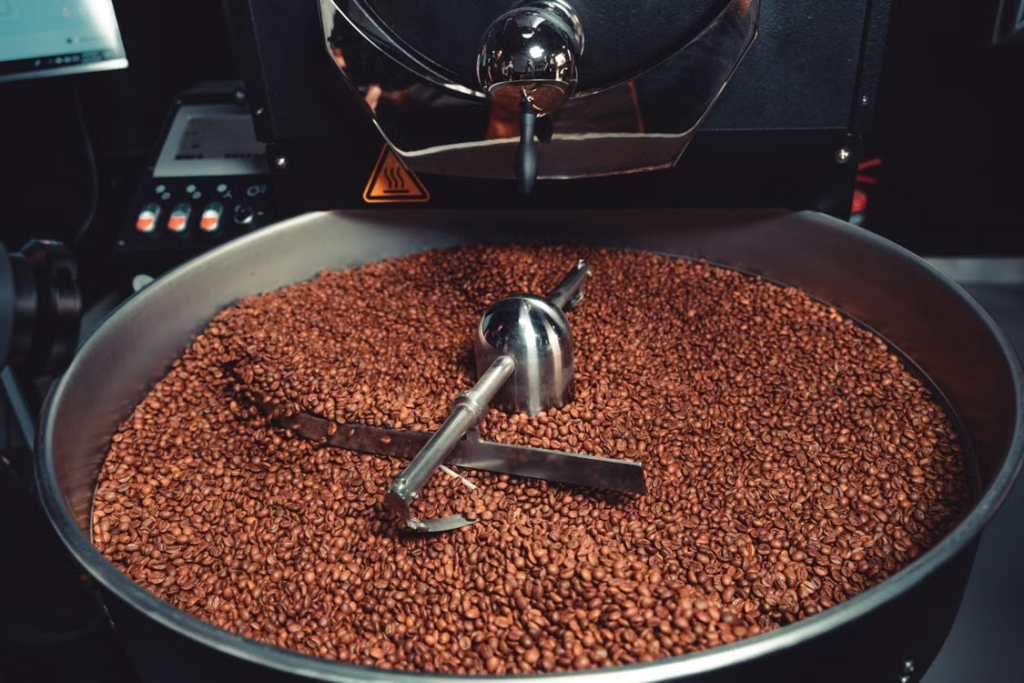
Your best filter roast is a starting point, not a finished capsule recipe. A short automated brew changes contact time, flow, pressure, and coffee-to-water ratio.
Roast, Grind, Dose, and Density Work Together
A light roast that sparkles in a V60 may taste thin in a pod. More development may improve solubility, but sensory trials decide.
Grind distribution controls flow and extraction. Too coarse brews weak; too fine may slow flow or add sediment. Dose and bulk density determine fill height. Equal coffee weights can occupy different volumes.
Fresh coffee releases carbon dioxide. Filling too soon can cause swelling or erratic brewing; filling too late may lose aroma. Establish a repeatable rest window.
Test the Pod Experience
Evaluate representative brewers, cup puncture, brew time, beverage weight, extraction, sensory quality, grounds leakage, and seal integrity. Sample the beginning, middle, and end of a production run. Then test again after shipping and storage.
The first fresh sample is the honeymoon. Shelf-life work tells you how the marriage is going.
Capsule Materials, Freshness, and Environmental Claims
A capsule is a small packaging system: perhaps a PP or multilayer barrier cup, paper filter, and lid. Other systems use aluminum or certified compostable structures. Every part must seal, survive heat, puncture, and protect coffee.
Important material questions include:
- حاجز للأكسجين والرطوبة؛;
- food-contact documentation;
- sealing temperature and dwell-time window;
- filter fit and grounds retention;
- lid puncture and peel strength;
- storage, transport, and recovery route.
SANEU’s coffee packaging material guide covers barrier and shelf-life trade-offs in more depth. For an in-house line, selecting empty coffee pod components means qualifying the cup, filter, lid, and machine as one system.
Nitrogen flushing and low residual oxygen can protect aroma, but do not create shelf life by magic. Use seal tests, appropriate oxygen measurements, sensory checks, and relevant aging conditions.
Environmental terms are not synonyms. BPI certification may support U.S. commercial-compostability claims, while ASTM D6400/D6868 and FTC Green Guides may inform evidence and wording. Construction, certification scope, labels, and realistic collection access matter.
Follow the Money: Contribution, MOQ, and Capacity
Gross margin is a useful start and a lousy finish. Calculate contribution per saleable box:
Net revenue after discounts and channel deductions − coffee − cup − filter − lid − carton − filling/co-packing − direct labor − variable freight support − testing − expected scrap
Fees, distributor margins, promotions, credits, and fulfillment sit between list price and net revenue. Use the money you keep.
Minimums hide in layers. A reasonable production MOQ means little if custom lids require much more. Ask for every component minimum and whether it applies per SKU. One coffee in a stock carton can protect cash better than four printed flavors.
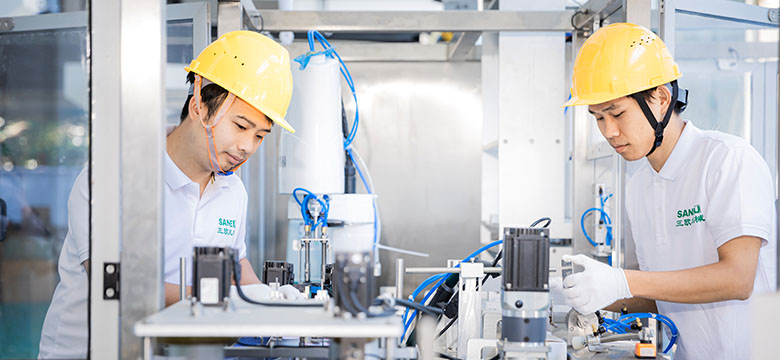
For in-house production, add equipment, facility work, utilities, nitrogen, compressed air, operators, maintenance, spares, quality staff, certification, downtime, changeovers, and downstream packing. Use saleable output—not the brochure’s maximum speed.
A basic break-even view is:
Monthly capsule fixed costs ÷ contribution per saleable capsule = monthly break-even capsule volume
Run conservative, expected, and strong cases. If the investment works only when the line runs near full speed and every pod sells, that is not a forecast. It is a motivational poster.
When volume begins to support automation, use a K-Cup filling machine buyer’s guide to compare format, speed, dosing, nitrogen, inspection, changeovers, service, and future integration—not price alone.
US Food Safety, Labeling, and Buyer Standards
Coffee is familiar, but a capsule line is still food manufacturing and packaging. FDA requirements depend on the facility and activity. The agency states that facilities manufacturing, processing, packing, or holding food for U.S. consumption generally must register unless exempt. Its guidance also points to current good manufacturing practice and preventive controls under 21 CFR Part 117, recordkeeping, and labeling. Start with the FDA’s food-business guidance, then confirm federal, state, and local obligations for your operation.
A quality system may cover hazards, sanitation, suppliers, pests, maintenance, calibration, traceability, complaints, and recalls. Review food-contact support for cups, filters, lids, inks, and adhesives.
Labels may need product identity, net quantity, business identity, ingredients, allergens where relevant, nutrition information or a valid exemption, claims, and lot coding. “Small business” does not automatically mean “no label rules.”
Retail, hospitality, or private-label buyers may request HACCP-based controls, SQF, BRCGS, ISO 22000, USDA Organic, kosher, Fairtrade, GS1/UPC data, case labels, pallet specifications, and insurance. Requirements vary. A certificate should match the facility, product, and claim being sold.
With outsourced production, define specifications, suppliers, substitutions, release, nonconforming goods, complaints, recalls, insurance, and cost responsibility before something goes sideways.
A Low-Risk Roadmap From Idea to Repeat Production
- Interview current customers and choose one clear use occasion.
- Select one brewer format, hero coffee, and pack configuration.
- Test roast, grind, dose, extraction, seal, oxygen, and shelf life.
- Pilot through a co-packer or a controlled small-batch setup.
- Measure contribution, complaints, reorders, and inventory days.
- Scale outsourced production while demand is still forming.
- Bring filling in-house only when conservative committed volume and an operating plan support it.
- Add private-label manufacturing for others after quality and service systems are mature.
Okay, that path is less dramatic than unloading a shiny machine on day one. It is also much kinder to cash.
الخلاصة
The best coffee capsule production opportunity begins with a customer you already understand or an account ready to commit. Independent U.S. roasters can win with coffee quality, trust, local service, and agility—not by copying the cheapest national pod.
Start with the smallest production model that can prove repeat demand. Improve the product, count the real costs, and scale when the evidence asks you to.
Frequently Asked Questions
1. Are K-Cup-compatible pods profitable for independent coffee roasters?
They can be, especially with existing customers or repeat B2B accounts. Profit depends on net selling price, coffee cost, components, labor or co-packing, freight, scrap, channel deductions, and reorder rate. Calculate contribution per box rather than relying on markup alone.
2. Should a small roaster co-pack coffee capsules or make them in-house?
Co-packing is usually safer while demand is uncertain. In-house production makes more sense when volume is forecastable and control, lead time, or co-packing cost creates a clear operating case. Compare full system cost, not only the filler price.
3. What is a typical MOQ for coffee capsule co-packing?
There is no universal MOQ. It varies by co-packer, format, coffee, lid print, carton, and number of SKUs. Ask separately about coffee-batch, component, packaging, and finished-production minimums before comparing proposals.
4. Can a co-packer fill capsules with my own roasted coffee?
Many can. The partner will still need to approve the coffee and process. Define roasting, resting, shipping, grinding, dose, specifications, food-safety documents, ownership, losses, and rejected material in the agreement.
5. Which single-serve format is best for the U.S. market?
K-Cup-compatible products reach a broad U.S. home, office, and hospitality base. Nespresso-compatible formats suit other customers, while brew bags and pour-over packs serve different occasions. Choose from your customer’s brewer, not general popularity alone.
6. Does specialty coffee need a different roast or grind for capsules?
Often, yes. Short automated brewing changes contact time and flow. The roast, grind distribution, dose, density, and filter must work together. Validate with extraction and sensory tests across representative brewers.
7. How long do freshly produced coffee capsules stay fresh?
Shelf life depends on coffee age at filling, residual oxygen, barrier, seal integrity, storage, and distribution. Nitrogen can help, but it does not prove a fixed lifespan. Establish shelf life with packaging tests and sensory checks.
8. Which certifications do U.S. retail and private-label buyers request?
Buyers may request HACCP-based controls, SQF, BRCGS, ISO 22000, USDA Organic, kosher, Fairtrade, or their own supplier standard. Needs vary by customer. Confirm the required scope before spending money on certification.
9. Can a roaster market coffee pods as compostable or recyclable?
Only with support for the exact product and carefully qualified wording. Material type, certification, separation steps, and local collection or composting access matter. Review applicable federal and state rules before printing the claim.
10. When does buying a coffee capsule filling machine make sense?
It makes sense when conservative repeat volume covers the full fixed cost and in-house production solves a measurable problem. Include labor, utilities, maintenance, quality, downtime, changeovers, and cartoning. Machine speed alone is not a business case.

 English
 Spanish
 Arabic
 Russian