
ضع ثلاث علب قهوة بجانب بعضها البعض. قد تبدو متطابقة تقريبًا. لكن وراء الورق المقوى، قد تكون هناك ثلاث شركات مختلفة تمامًا تعمل في الخلفية.
قد تختار إحدى العلامات التجارية مزيجًا جاهزًا وتضيف شعارها إليه. بينما تمتلك علامة تجارية أخرى مواصفات القهوة ولكنها تستعين بمصنع لتصنيعها. أما العلامة التجارية الثالثة فتقوم بتحميص حبوبها بنفسها وتستأجر خط إنتاج كبسولات تابع لجهة أخرى. وعادةً ما تُسمى هذه الترتيبات بـ«العلامة الخاصة» و«التصنيع حسب الطلب» و«التعبئة المشتركة».
«عادةً» هي الكلمة المهمة. فموردو القهوة لا يستخدمون هذه الأسماء بشكل متسق. لذا، انسَ أمر الملصق للحظة. والسؤال المهم هو: أين تنتهي مهامك، وأين تبدأ مهام الشريك؟
أولاً، هذه الأسماء ليست أوصافاً وظيفية قياسية
تُعد مصطلحات «OEM» و«العلامة التجارية الخاصة» و«التعبئة المشتركة» و«التصنيع التعاقدي» و«التحميص التعاقدي» مصطلحات تجارية مختصرة. وهي ليست تعريفات وظيفية شاملة ذات حدود محددة.

قد يطلق أحد محامصي البن على مزيج مخصص حصري اسم “العلامة الخاصة”. بينما يستخدم آخر مصطلح «العلامة الخاصة» فقط للإشارة إلى القهوة المُدرجة في الكتالوج والتي تُباع تحت العديد من العلامات التجارية. وتقتصر مهام بعض شركات التعبئة التعاونية على تعبئة القهوة الجاهزة في أكياس أو كبسولات. أما البعض الآخر فيقوم بشراء الحبوب، وتحميصها، وطحنها، وتعبئتها، واختبارها، وتخزينها، وترتيب شحنها.
وبالتالي، يمكن أن تشمل عروض الأسعار التي تحمل العنوان نفسه أعمالًا مختلفة. فقد يشمل أحدهما القهوة والأغطية والعلب الورقية والاختبار، بينما قد يقتصر الآخر على التعبئة والختم فقط.
اطلع على الصورة الأوسع نماذج الأعمال الخاصة بكبسولات القهوة إذا كنت تفكر أيضًا في خيار العلامة البيضاء أو الإنتاج الداخلي. سنقوم هنا بمقارنة ثلاث طرق لتسليم المهام.
هناك تمييز آخر: قد يشير مصطلح “مصنع المعدات الأصلية (OEM) للقهوة” أيضًا إلى مصنع يُنتج آلات القهوة لصالح علامة تجارية أخرى للمعدات. وفي هذا السياق، يشير المصطلح إلى الإنتاج المُعهد إلى جهات خارجية لمنتجات القهوة — مثل حبوب القهوة الكاملة، والقهوة المطحونة، والأكياس، والكبسولات الصغيرة، والكبسولات الكبيرة — وليس إلى هندسة آلات الإسبريسو.
ما الذي يعنيه عادةً مصطلح «تصنيع القهوة من قبل الشركات المصنعة للمعدات الأصلية»؟
في إطار اتفاقية تصنيع المعدات الأصلية (OEM) الخاصة بالقهوة، تزود العلامة التجارية الشركة المصنعة بملخص عن المنتج أو بمواصفات تفصيلية. وتقوم الشركة المصنعة بتصنيع منتج قابل للتكرار بناءً على ذلك.
قد تحدد المواصفات الأصل الذي تنتمي إليه حبوب البن، والمزيج، ودرجة التحميص، وطريقة الطحن، والجرعة، وشكل الكبسولة، والتعبئة، والخصائص الحسية المستهدفة، والسوق المستهدفة. وقد يتولى الشريك المصنع الأصلي (OEM) توفير المواد الأولية، وإجراء التجارب، والتصنيع، والتعبئة، والفحص، وتوثيق المنتج. الأمر أشبه بطلب من مطبخ تجاري أن يُعد طبقك بكميات كبيرة. أما ملكية ملاحظات الوصفة النهائية، فهي لا تزال رهنًا بشروط العقد.
توفر المنتجات المصنعة حسب الطلب (OEM) تميّزًا أكبر مقارنةً بالمنتجات الجاهزة في الكتالوج، لكن تقديم العينات والمواد المخصصة يضيف عبئًا إضافيًا من العمل. ويجب أن توافق العلامة التجارية على النكهة والتصميم الفني والمواصفات وأي تغييرات.
غالبًا ما تكون خدمة تصنيع المعدات الأصلية (OEM) خيارًا مناسبًا عندما
- تتمتع العلامة التجارية بموقع واضح لمنتجاتها وتوقعات واقعية؛;
- عندما يحتاج تاجر تجزئة أو مستورد إلى تحميص أو طحن أو كبسولات أو تغليف حسب الطلب؛;
- يمكن للمشتري إدارة المواصفات والعينات وعمليات الموافقة.
لا يعني مصطلح «OEM» بالضرورة أن كل عنصر فريد من نوعه. فمن الممكن أن تستخدم عملية تحميص مخصصة كبسولة وعلبة كرتونية قياسيتين. وغالبًا ما يكون ذلك خيارًا منطقيًّا. لذا، ينبغي توجيه ميزانية التخصيص إلى الجوانب التي يمكن للعملاء تذوق الفرق فيها أو رؤيته أو تقدير قيمته.
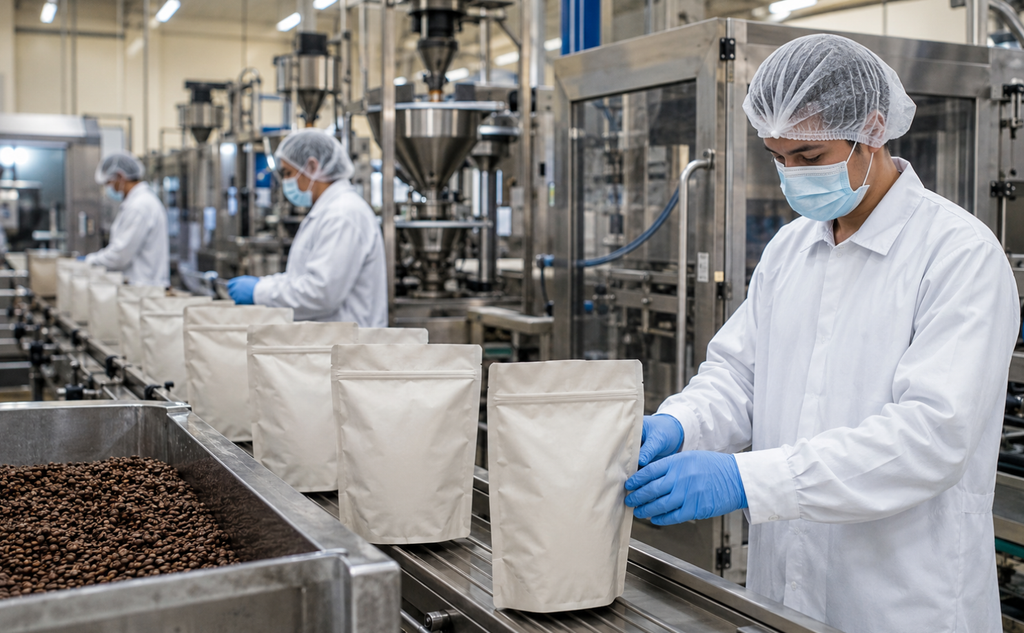
ما الذي تعنيه عادةً عبارة «القهوة ذات العلامة التجارية الخاصة»
عادةً ما تبدأ العلامة التجارية الخاصة بمنتج يعرف المصنع بالفعل كيفية تصنيعه. حيث يختار المشتري نوعًا من القهوة أو منصة منتجات معتمدة، ويضيف علامته التجارية، ثم يختار من قائمة الخيارات المسموح بها.
قد تختار مجموعة فنادق مزيجًا خاصًا بها، وكيسًا مزودًا بصمام سعة 250 جرامًا، وملصقًا مخصصًا. وقد يختار بائع التجزئة نوعًا من القهوة ذات التحميص المتوسط من كتالوج المورد. وقد تختار علامة تجارية جديدة للكبسولات نوعًا من القهوة الذي أثبت جودته وتصميمًا متوافقًا مع كبسولات K-Cup، ثم تقوم بتخصيص الغطاء والعلبة الكرتونية.
ونظرًا لوجود القهوة والعملية بالفعل، يمكن أن تكون عمليات الإطلاق أكثر بساطة. لكن المقابل هو فقدان السيطرة: فقد تظهر قهوة مشابهة تحت علامة تجارية أخرى ما لم يتم توثيق الحصرية كتابةً.
يطلق بعض المحمصين على المزيج المخصص اسم «العلامة الخاصة». لا بأس بذلك — لكن اسأل: ما الذي يميزه عن غيره؟ هل هي الوصفة، أم دفعة الحبوب، أم طريقة التحميص، أم المنطقة، أم العبوة، أم مجرد التصميم الفني فقط؟
دليل SANEU حول تصنيع كبسولات خاصة متوافقة مع نظام K-Cup يوضح كيف أن حتى الكبسولة التي تحمل علامة تجارية لا تزال تعتمد على اختيارات الكوب والفلتر والغطاء والقهوة والتعبئة والإغلاق.
غالبًا ما تكون العلامة التجارية الخاصة خيارًا مناسبًا عندما
- ترغب إحدى العلامات التجارية في اختبار مستوى الطلب قبل الشروع في التطوير المخصص؛;
- المقهى أو الفندق أو مورد المستلزمات المكتبية أو متجر التجزئة يمتلك بالفعل قاعدة عملائه؛;
- السرعة والبساطة أهم من الوصفة الخاصة.
ما الذي يعنيه عادةً مصطلح «التعبئة المشتركة للقهوة»؟
بالمعنى الضيق، يقوم المُعبِّئ التعاوني بأخذ منتج موجود بالفعل وتحويله إلى وحدات جاهزة للبيع. فأنت تزوده بالقهوة المحمصة أو أي مادة أولية أخرى متفق عليها. ويقوم المُعبِّئ التعاوني بملء العبوات وإغلاقها وترميزها ووضع الملصقات عليها وتعبئتها في علب كرتونية، وربما ترتيبها على منصات نقالة.
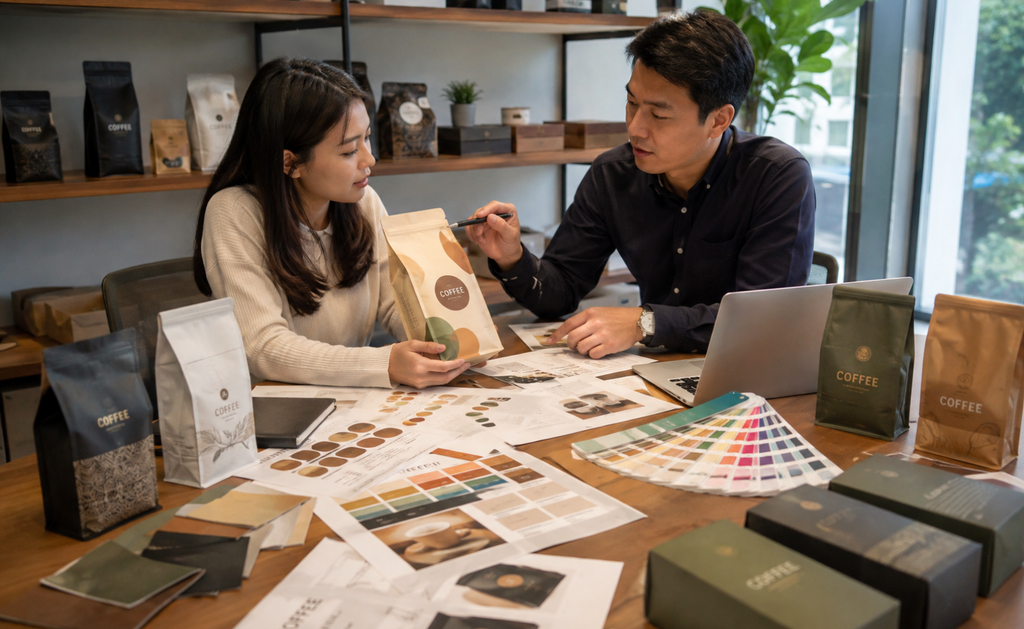
غالبًا ما تستخدم شركات القهوة هذا المصطلح بمعنى أوسع. فقد يقوم “شريك التعبئة” أيضًا بتحميص الحبوب الخضراء بموجب عقد، وطحنها وفقًا لمواصفات الكبسولات، وتوفير مواد التعبئة، وإجراء اختبارات الجودة، وتخزين المنتجات النهائية. وقد تسمع أيضًا مصطلحات مثل «شريك التصنيع»، أو «المصنع التعاقدي»، أو «المحمص التعاقدي»، أو «المحمص بالعمولة».
وأبرز مثال على ذلك هو شركة تحميص متخصصة لديها مزيج معروف ولكنها لا تمتلك معدات تعبئة الكبسولات. حيث توفر شركة التحميص قهوتها ومعاييرها الحسية، بينما يقوم شريكها بطحنها، وتعبئة الكبسولات، وضخ النيتروجين داخل العبوة، وإغلاق الأغطية، وفحص الوحدات، وتعبئة الصناديق الكرتونية. وبذلك تحافظ شركة التحميص على هوية قهوتها دون الحاجة إلى شراء خط تعبئة.
غالبًا ما تكون خدمة التعبئة والتغليف المشتركة خيارًا مناسبًا عندما
- لديك بالفعل نوع قهوة أو وصفة أو نمط تحميص مجرب ومثبت؛;
- الطلب على الكبسولات حقيقي، لكنه لا يكفي بعد لتشغيل خط إنتاج داخلي؛;
- إذا كنت بحاجة إلى سعة تخزين أكبر، أو سعة احتياطية، أو تنسيق آخر، أو نسخة احتياطية إقليمية.
مقارنة جنبًا إلى جنب بين منتجات المصنع الأصلي (OEM) والعلامة التجارية الخاصة والتعبئة المشتركة
يوضح الجدول أدناه الأنماط الشائعة، وليس التعريفات القانونية. ويمكن للمورد أن يجمع بين أجزاء من الأنماط الثلاثة جميعها.
| نقطة اتخاذ القرار | تصنيع القهوة وفقًا لمعايير الشركات المصنعة للمعدات الأصلية (OEM) | القهوة التي تحمل علامة تجارية خاصة | تعبئة القهوة بالنيابة عن الغير |
| نقطة البداية | ملخص العلامة التجارية أو المواصفات التفصيلية | منصة القهوة أو المنتجات الحالية الخاصة بالشركة المصنعة | القهوة الجاهزة أو شبه الجاهزة من ماركة «براند» |
| Typical formula control | Brand-defined or jointly developed | Usually manufacturer-controlled; exclusivity varies | Usually brand-controlled |
| Coffee sourcing | Manufacturer, brand, or both | Usually manufacturer | Usually brand, though the partner may assist |
| Roast and grind | Made to an agreed specification | Selected from available options | Supplied by brand or processed to its specification |
| Packaging procurement | Often manufacturer-managed | Usually manufacturer-managed | Brand-managed, partner-managed, or split |
| التخصيص | مرتفع | Low to medium, sometimes high in coffee-industry usage | High for the supplied coffee and chosen package |
| Development effort | متوسطة إلى عالية | منخفض إلى متوسط | Medium; line trials may still be needed |
| MOQ behavior | Often shaped by custom materials and development | Often lower when stock inputs are used | Shaped by line setup and supplied material quantities |
| Speed to market | Usually slower | Usually faster | Medium if coffee and packaging are ready |
| Brand workload | Product decisions, approvals, forecast, sales | Branding, approvals, inventory, sales | Coffee supply, packaging coordination, specifications, sales |
| Main advantage | Differentiation without owning a factory | Simple market entry | Keep your coffee while renting production capacity |
| الخطر الرئيسي | Development cost and supplier dependence | Weak differentiation or unclear exclusivity | Scheduling and multi-party supply-chain problems |
Here is the practical shortcut. If you have only a brand and audience, investigate private label. If you have a detailed product concept and need somebody to make it, investigate OEM. If you already have the coffee and need it packed at scale, investigate co-packing.
Then verify the scope. Yep, that last step still matters more than the shortcut.
The Best Model Can Change With the Coffee Format
A supplier that is excellent at valve bags may be the wrong partner for capsules. Product format changes the equipment, materials, quality checks, and minimum viable run.
| Coffee format | What the production partner must handle | Model that often fits | Question buyers forget |
| Whole bean bags | Roasting, degassing, weighing, valve-bag filling, sealing, coding | Private label, OEM, or contract roasting | Who approves bean substitutions between crop years? |
| Ground coffee bags | Roast, grind control, oxygen/moisture barrier, filling, sealing | OEM or private label; co-packing if coffee is supplied | How is grind variation checked between batches? |
| Drip bags | Grind, filter filling, inner sealing, outer barrier pouch, cartoning | OEM or specialist co-manufacturer | Does the supplier validate hanging, flow, and filter seams? |
| K-Cup-compatible pods | Cup/filter compatibility, dosing, rim cleaning, nitrogen, lidding, brew tests | OEM or capsule co-packing | Who buys the filtered cup, lid, and retail carton? |
| كبسولات متوافقة مع آلات نسبرسو | Capsule geometry, fine grind, compaction, foil seal, extraction tests | OEM or specialist co-packing | Which brewer models and markets are included in compatibility testing? |
| Instant coffee sticks or sachets | Powder handling, moisture protection, dosing, stick sealing, coding | Private label or OEM | Who owns the instant base and flavor system? |
Whole-bean programs are relatively forgiving because the consumer performs the grinding and brewing. That does not make them simple, but the package has fewer interfaces with a proprietary brewer.
Capsules are less forgiving. Coffee, particle size, dose, headspace, filter, lid, and capsule geometry all influence the cup. A partner must understand both food production and packaging mechanics. The industrial coffee capsule production guide shows the sequence from coffee preparation through filling, oxygen control, sealing, inspection, and cartoning.
Product range matters, too. A private-label supplier may offer five coffees in one standard bag but only two in capsules. A co-packer may accept your coffee yet lack secondary packaging for variety packs. An OEM may develop the product but outsource printed cartons. Ask about the full finished case, not just the unit leaving the filler.
Flavored coffee introduces allergen and cleaning questions, especially when milk powders, nut flavors, cocoa, or functional ingredients share equipment. Decaffeinated products need identity and cross-contact controls. Certified organic products require an approved handling chain. The correct model is the one whose real facility can support the claim—not the one whose brochure has the nicest row of icons.
The Materials Handoff Changes the Real Deal
The product is not just “coffee.” Each input creates an owner, purchase order, lead time, and possible delay. A bean product may need a laminate bag, valve, label, and carton. A capsule needs coffee, cup body, filter, lid, ink, retail carton, and shipping case.
Materials add another layer. Aluminum offers a strong oxygen and light barrier. Polypropylene offers production flexibility, with performance depending on its structure. Compostable formats require careful checks around sealing, certification, storage, and local disposal.
الـ K-Cup packaging materials guide explains why the cup, filter, and lid must be treated as one system. A good lid on the wrong rim is still a bad package.
A capsule is not a cup with a nice sticker
Capsule geometry must fit the brewer. Grind and dose affect extraction. The sealing layer must match the rim and equipment settings. Barrier performance and residual oxygen affect storage. The agreement should therefore say who approves brand-supplied lids, material substitutions, and late packaging.
Custom printing often sets the MOQ. A line may accept a modest pilot while the lid supplier wants a far larger run. Stock components and digital labels can leave less cash sleeping in a warehouse.
Cost, MOQ, and Lead Time: What Moves the Numbers?
There is no reliable universal price or MOQ for any of these models. The number depends on the least flexible part of the job.
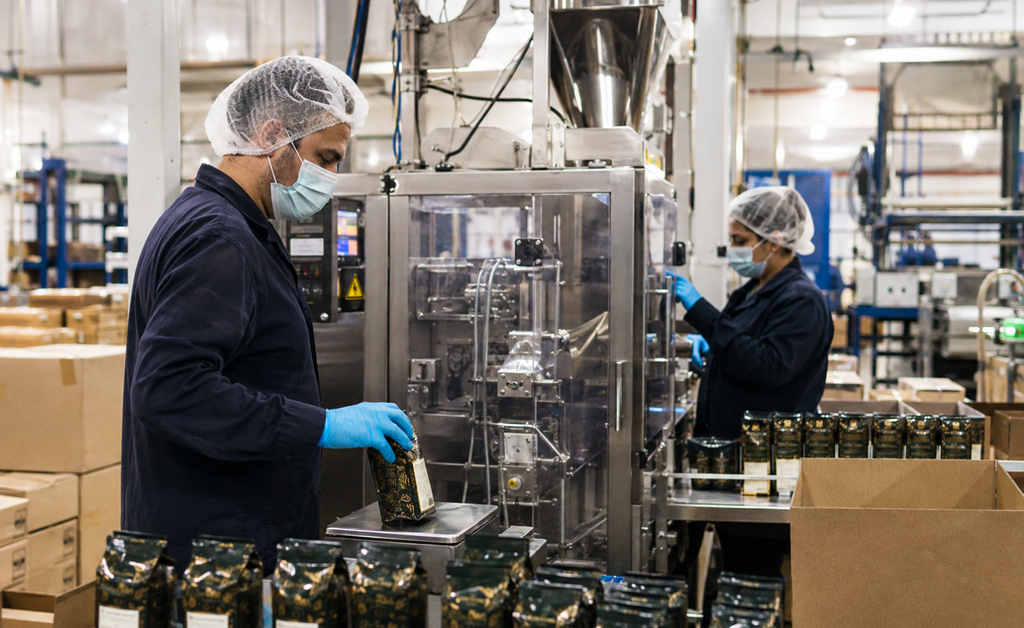
Cost layers include coffee, roasting, grinding, packaging, setup, cleaning, inspection, coding, cartoning, storage, testing, and freight. Custom work may add samples, artwork tooling, molds, or change parts.
Separate three numbers when comparing quotes:
- Development cost: samples, trials, formulation, artwork setup, and validation.
- Recurring unit cost: coffee, materials, manufacturing, inspection, and routine packing.
- Working-capital cost: deposits, unused printed stock, storage, freight, and inventory waiting to sell.
Private label often moves faster because it reuses an established product. OEM custom inputs extend the calendar. Co-packing moves efficiently when coffee, packaging, and specifications are ready. Ask for separate development and repeat-order timelines, plus the event that starts the clock. “Four weeks” sounds lovely until you discover it has not started.
How to Compare Supplier Quotes on the Same Basis
Before comparing prices, convert every proposal into the same scope. Otherwise one supplier is quoting a finished retail carton while another is quoting a sealed capsule at the factory door.
Build a simple quote sheet with these fields:
| Quote field | What to record | لماذا هذا مهم؟ |
| Product specification | Coffee, roast, grind, dose, format, pack count | Prevents a cheaper but different product from winning |
| Included materials | Coffee, capsule or bag, lid, label, carton, case, pallet | Exposes items the brand must buy separately |
| One-time charges | Development, trials, print setup, tooling, artwork checks | Separates launch cost from repeat production |
| Production charges | Per unit, per kilogram, per batch, setup, cleaning | Shows how cost changes with run size and SKU count |
| Quality checks | Sensory, weight, seal, oxygen, compatibility, external laboratory work | Confirms whether testing is included or merely available |
| Commercial terms | MOQ, payment, lead-time start, storage, overrun tolerance | Shows cash and inventory exposure |
| Delivery basis | Factory gate, port, delivered warehouse, duties excluded | Makes landed-cost comparison possible |
Then model at least three volumes: the minimum run, the expected repeat run, and a conservative annual total. Include all SKUs. A low per-unit price can hide a large packaging commitment for each flavor.
Ask how normal production overrun and underrun are billed. Printed material counts and actual filled units rarely land on the exact same number. Also ask what happens to coffee and components after a short run. Are they returned, stored, used on the next batch, or written off?
Finally, compare payment timing. A supplier asking for a large packaging deposit six months before sale creates a different cash burden from one holding common materials and billing finished units. Both can be fair. They are simply not the same offer.
Sampling and Pilot Runs: Where the Supplier’s Claims Meet Reality
A sample produced by a laboratory or roast team proves that somebody can make a few good units. A pilot proves that the proposed process can make them on commercial equipment. Those are different milestones.
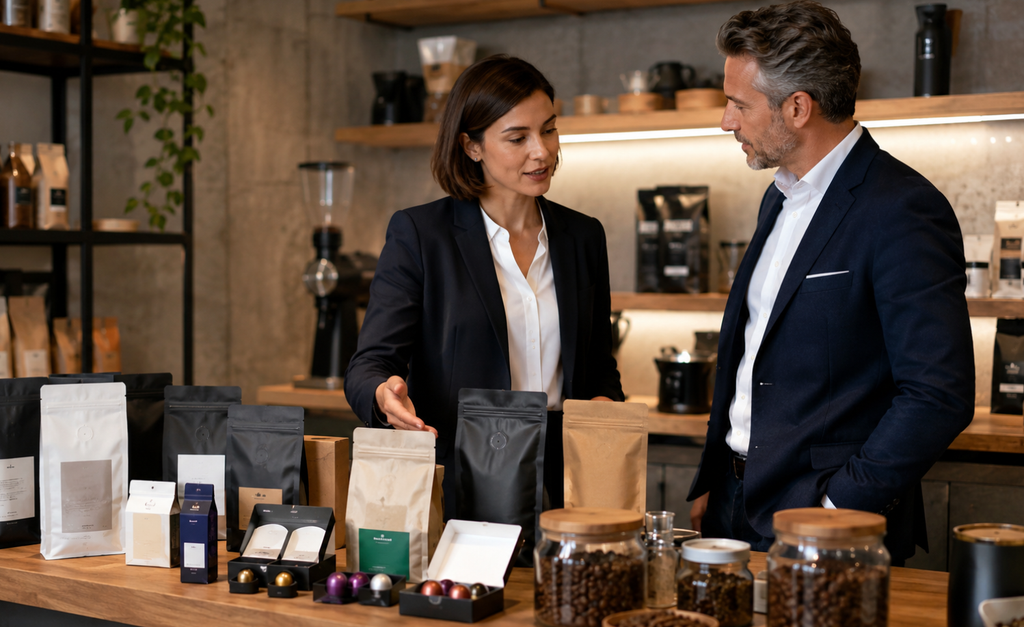
For a private-label product, sampling may be straightforward: taste existing coffees, select the best fit, and confirm the final package. Even then, evaluate the product after normal shipping and storage. A fresh hand-delivered sample can hide a weak valve or damaged seal.
An OEM project usually needs several approvals. First comes the sensory direction. Then the coffee and package are tested together. Artwork, claims, coding, case pack, and pallet pattern follow. The final approved “golden sample” should be tied to a written specification. Memory is not a quality system, even when the roast master has a very good memory.
A co-packing pilot must answer operational questions:
- Does the coffee feed consistently through the dosing system?
- Does the grind create dust or contaminate the sealing rim?
- Can the line hold the target fill-weight tolerance at planned speed?
- Do lids seal across the normal material and temperature range?
- Does the finished unit brew correctly on the agreed machines?
- Can coding, cartoning, case packing, and traceability run as planned?
Agree on pilot acceptance criteria before the line starts. Otherwise the brand may judge taste while the co-packer judges only whether the machine ran.
Keep retained samples from the pilot and first commercial lot. Record settings, material lots, coffee lots, test results, and approved deviations. If a later batch tastes different, these records help separate bean variation from roast, grind, dose, oxygen, or storage problems.
The pilot also tests the relationship. Notice how quickly questions are answered, whether bad news travels early, and whether the factory documents small failures. A supplier that calmly explains a rejected seal sample may be safer than one claiming every trial was perfect.
Quality, Food Safety, and Standards Do Not Transfer Automatically
Outsourcing production does not outsource the brand’s reputation. A consumer will call the name printed on the box, not the factory shift supervisor.
For U.S. sales, the FDA’s food-business guidance covers registration, manufacturing practices, labeling, records, and preventive controls. Applicability varies. “FDA registered” is not “FDA approved.”
ISO 22000 sets food-safety management requirements. Buyers should check a certificate’s site, scope, version, and expiry. ISO itself does not certify factories.
Retail customers may also request SQF, BRCGS, organic, Kosher, Halal, or other evidence. Requirements vary by market and channel. Ask what is necessary before approving packaging claims.
For coffee, the quality plan should also cover:
- approved beans and packaging;
- roast, sensory, grind, and fill-weight limits;
- seal, leak, oxygen, and brewer-compatibility tests;
- coding, traceability, shelf-life methods, and retained samples.
The interaction matters. Nitrogen packaging for coffee capsules helps only when flushing, barrier materials, exposure time, and sealing work together. A high-purity gas supply cannot rescue a leaking lid.
Who Owns the Formula, Artwork, Tooling, and a Bad Batch?
Ownership questions feel boring during a friendly sample call. They become very exciting when a batch fails or a partnership ends.
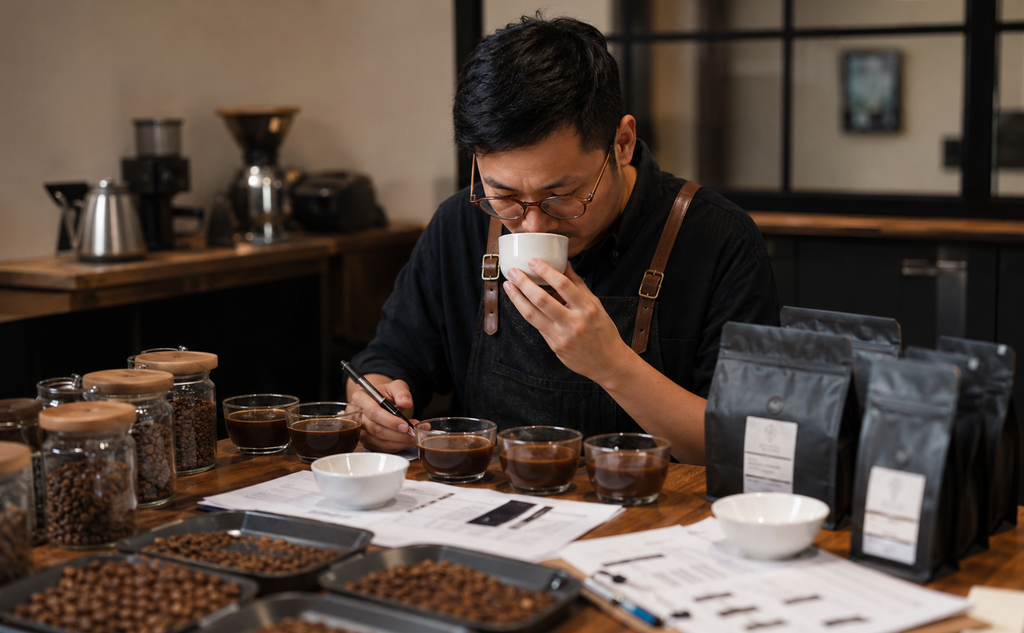
The agreement should identify who owns the blend, roast profile, process notes, artwork, printing plates, tooling, test results, and production records. It should also control subcontractor access and similar products for other brands.
Define change control. Can the manufacturer substitute beans from another origin, a different film, or a new capsule resin? Which changes require written approval? What happens if the original input disappears?
Then deal with the awkward warehouse shelf. Who owns unused branded lids and cartons? Can they be returned, transferred, destroyed, or charged as obsolete stock? Assign responsibility for failed goods, rework, credits, withdrawals, and recalls. An NDA does not replace a manufacturing agreement and product specification.
Choose the Model From What You Already Have
Choose from today’s real assets, not the future company in a pitch deck.
You have a brand idea and an audience
Private label lets a hotel, gift business, or retailer test whether customers reorder before funding a unique supply chain.
You have a flavor direction but no factory-ready specification
An OEM or customized private-label partner can turn “smooth, chocolatey, not bitter” into beans, roast, grind, dose, and measurable limits.
You have a proven roast or blend
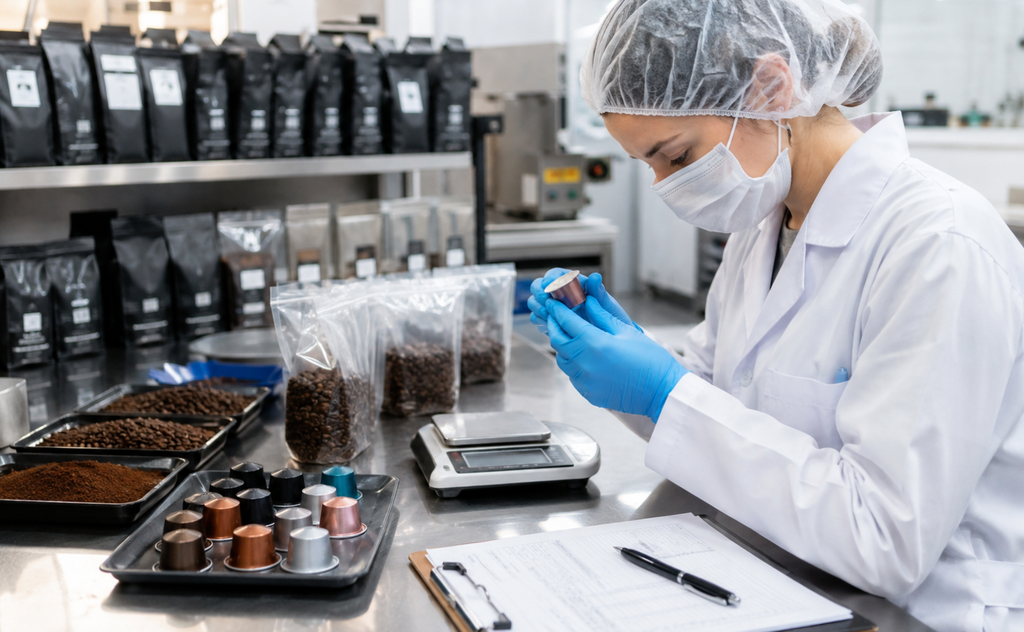
A specialty roaster can keep roasting while a co-packer produces bags, pods, or capsules. Capsule opportunities for independent U.S. roasters explains how a pilot can test reorders before an equipment decision.
You have stable repeat volume and outsourcing pain
Compare outsourcing with operators, utilities, maintenance, space, quality staff, scrap, inventory, and downtime—not only machine price. Coffee capsule filling machines show possible output and process scope, but capacity is not demand.
You already run a capable factory
OEM work can use spare capacity, but it adds client service, confidentiality, short runs, changeovers, and customer-specific records. Machines alone do not win contracts. Reliable operations do.
الـ National Coffee Association’s Spring 2026 highlights report that 66% of U.S. adults drank coffee in the past day. That supports the category, not one brand’s forecast. A pilot is worth more than a huge slide-deck number.
One Coffee Launch, Three Very Different Workflows
Imagine a brand wants to launch a ten-count box of medium-roast, Nespresso-compatible capsules. The front of the box could look the same under all three models. The work behind it would not.
Under an OEM arrangement
The brand begins with a target: a balanced espresso with cocoa notes, moderate intensity, a specific retail price, and a nine-month launch window. The OEM proposes coffees, develops roast and grind options, selects compatible capsules and lids, produces samples, and turns the approved version into a manufacturing specification.
The brand still has work. It must approve taste, artwork, claims, price, forecast, and acceptable substitutions. It may also need to appoint a local importer or regulatory adviser. The factory executes the physical production, but it cannot decide what the brand promises customers.
This workflow suits a buyer that knows the desired market position but does not already own a capsule-ready coffee specification.
Under a private-label arrangement
The supplier already offers a medium-roast espresso capsule. The brand tastes it, chooses a lid color, supplies artwork, and selects a carton from available formats. Development focuses on branding and confirmation rather than building the coffee from zero.
That can remove months of back-and-forth. It also means the product’s foundation belongs to the supplier. Another company may sell a similar capsule unless the agreement grants exclusivity. The brand should ask whether the supplier may change beans, roast settings, capsule materials, or factories without approval.
This workflow suits a buyer that wants a credible product on the shelf and can differentiate through its audience, service, bundle, or route to market.
Under a co-packing arrangement
The brand or roaster supplies an approved roasted coffee. The co-packer checks how it behaves after grinding, confirms dose and extraction, validates the capsule and lid, runs a pilot, then fills and packs commercial orders.
Now the brand controls more upstream work. It must deliver enough coffee and packaging at the right time. If the coffee’s bulk density changes between roasts, the filler may need adjustment. If a lid supplier misses a shipment, the co-packer’s reserved slot may disappear.
This workflow suits a roaster that wants its own coffee in a new format but does not want to operate the format-specific packaging line.
The point is simple: the customer-facing product may look identical, while procurement, technical work, cash exposure, and daily coordination sit with completely different companies.
Common Mistakes and Better Fixes
| Mistake | Why it hurts | Better move |
| Choosing by the supplier’s label | Two “co-packing” quotes may cover different work | Compare a line-by-line responsibility matrix |
| Comparing only unit prices | Coffee, materials, testing, freight, and storage may be excluded | Compare landed cost at the same specification and volume |
| Printing packaging before the pilot | A material or artwork change can make stock unusable | Validate product, package, and legal copy before the large print run |
| Leaving substitutions vague | Flavor, seal performance, claims, or compliance can drift | Require notification and approval rules for critical inputs |
| Accepting a certificate at face value | It may cover another site, process, or expired period | Verify the issuing body, site, scope, standard, and date |
| Ignoring exit inventory | Branded lids and cartons can trap cash after a supplier change | Define ownership, disposal, and transfer terms in advance |
| Buying a line after one large order | A temporary peak can leave expensive idle capacity | Model conservative repeat volume, changeovers, labor, and full line cost |
Run a paid pilot, too. It reveals powder flow, seals, flavor drift, records, communication, and the factory’s response when something goes wrong.
A Sensible Growth Path Is Often Hybrid
A company does not marry one model forever. It may test private label, move to OEM after finding repeat buyers, co-pack capsules, and later internalize its highest-volume format.
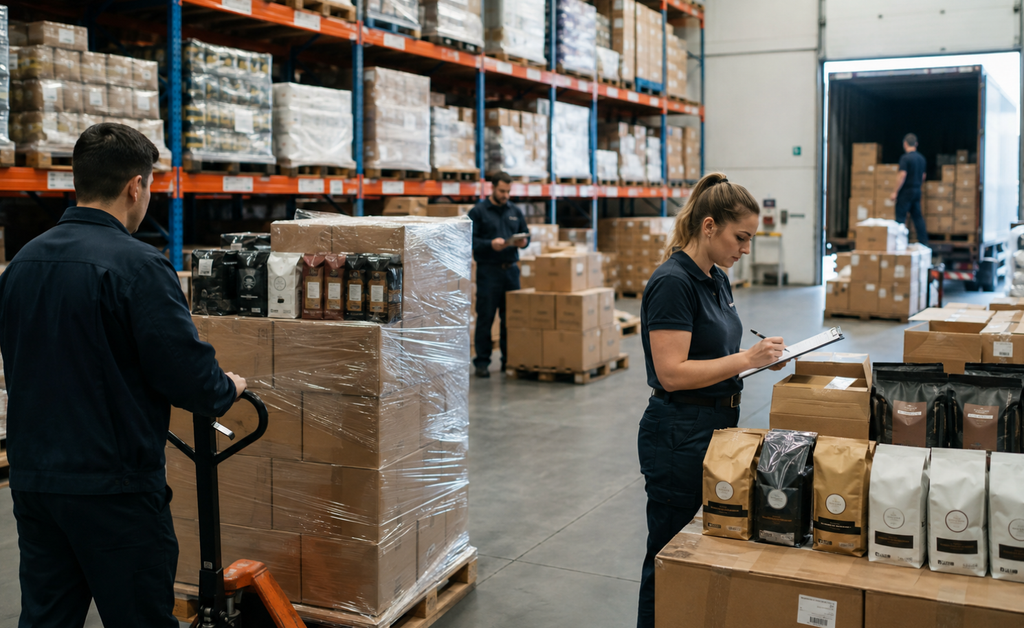
Outsourcing can still cover seasonal peaks, another region, a backup line, or materials the internal equipment handles poorly.
There is no graduation badge for owning more machinery. The right model is the one that gives enough control without creating more fixed cost and operational complexity than the business can feed.
الخلاصة
OEM, private label, and co-packing describe different starting points, but the words are not reliable enough to choose a supplier by themselves. Map who supplies the coffee, who develops the specification, who buys each packaging material, who tests the product, and who owns the result.
Private label suits a simpler market test. OEM suits a differentiated product brief. Co-packing suits a brand or roaster that already owns the coffee and needs production capacity. Put the scope in writing, approve a real pilot, and compare complete landed costs. That is less glamorous than choosing a box design. It also prevents far more expensive surprises.
Frequently Asked Questions
Is OEM coffee the same as private-label coffee?
Not usually. OEM starts from the brand’s agreed specification; private label usually starts from the manufacturer’s existing coffee. Since usage varies, confirm ownership, customization, exclusivity, and responsibilities.
What is the difference between a coffee co-packer and a contract roaster?
A pure co-packer packages coffee that already exists. A contract roaster roasts to an agreed profile and may also pack it. Many companies perform both jobs.
Can I supply my own coffee beans to a co-packer?
Often, yes. It may accept roasted coffee, green beans, or a nominated supplier, subject to food-safety documents, process suitability, packaging compatibility, and setup quantities.
Who owns the coffee formula or roast profile?
The contract decides. Record ownership, permitted use, confidentiality, exclusivity, access to production notes, and what happens when the relationship ends.
Which coffee manufacturing model normally has the lowest MOQ?
Stock private-label products often start lower, but no rule is universal. The roast batch, line setup, printed package, capsule order, or storage policy may set the minimum.
Is private-label coffee cheaper than OEM coffee?
It often has lower development cost. For long-term economics, compare quality, packaging, volume, setup, storage, freight, unsold materials, and expected selling price.
How long does an OEM or private-label coffee launch take?
Private label can move faster with stock inputs. OEM may need sourcing, sample rounds, custom materials, tests, or tooling. Request separate development and repeat-order schedules.
Can a co-packer produce K-Cup- or Nespresso-compatible capsules?
Yes, with the correct equipment, tooling, materials, controls, and experience. Confirm the brewer system, geometry, grind, dose, lid, seal, nitrogen process, tests, and carton before the pilot.
What food-safety documents should I request?
Ask for applicable registrations, certificate scope, food-safety controls, traceability, recall procedures, allergen controls, supplier approval, test methods, and sample batch documents.
When should a coffee brand bring production in-house?
Consider it when volume is stable, outsourcing limits control, and conservative economics support the operation. Include people, space, utilities, maintenance, quality, inventory, downtime, and secondary packaging.

 English
 Spanish
 Arabic
 Russian