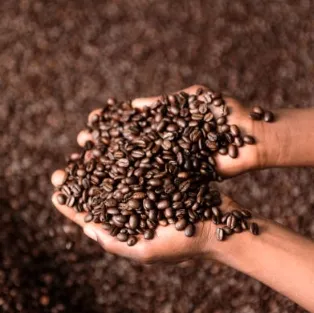
Coffee capsules and coffee pods solve the same basic problem: one measured serving, one quick drink. Yet they are not the same package.
In this guide, a capsule is a rigid aluminum, plastic, or compostable container, such as a K-Cup-compatible or Nespresso-compatible format. A soft pod is a flat dose enclosed in filter paper or nonwoven material, such as a 44 mm ESE pod. Consumers often call every capsule a pod. That is normal. For a business comparing coffee capsule packaging vs coffee pod packaging, however, the distinction changes the materials, machinery, shelf-life plan, and cost model.
So, which is better? Rigid capsules usually suit businesses that want access to a defined brewer ecosystem, strong barrier performance, visible unit branding, and high-speed automation. Soft pods can suit ESE-focused espresso, hospitality, flat logistics, and a paper-led brand story. Neither wins everywhere.
They are a little like a bottle and a pouch. Both hold a drink, sure. The factory physics are quite different.
Coffee Pods vs. Capsules: Clear Up the Naming First
What Counts as a Coffee Capsule?
A rigid capsule has a formed shell, a coffee dose, and a sealed lid. Some formats also include an internal filter. The brewer punctures, opens, or pressurizes the package in a format-specific way.
K-Cup-compatible capsules are commonly associated with larger, drip-style drinks in North America. Nespresso-compatible capsules are generally smaller and espresso-led. Dolce Gusto uses another shape and can support coffee, milk, cocoa, and other drinks. None of these formats is automatically interchangeable.
If you need the wider landscape first, see these different types of coffee pods and capsules.
What Counts as a Soft Coffee Pod?
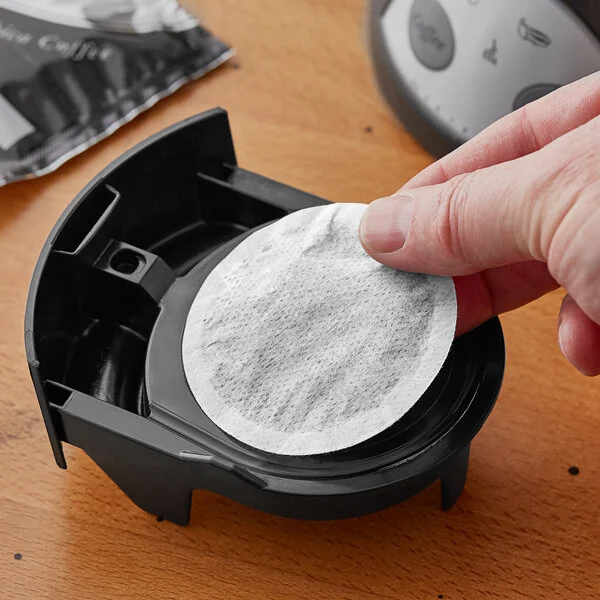
A soft pod looks a bit like a round tea bag filled with ground coffee. ESE, short for Easy Serving Espresso, is the best-known example. A standard ESE-style pod is about 44 mm wide and is designed for compatible espresso equipment. Senseo-style pads belong to the broader soft-pod family but use a different brewing setup.
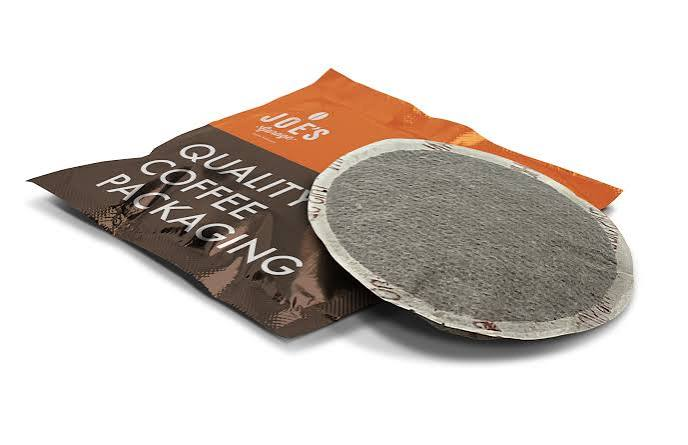
Here’s the catch: filter paper is not normally a long-term oxygen barrier. The finished pod often needs an individual metallized or multilayer sachet. That wrapper does the serious freshness work.
The Quick Business Verdict
| Decision Factor | Rigid Coffee Capsule | Soft Coffee Pod |
| Primary structure | Aluminum, plastic, or compostable shell | Filter paper or nonwoven pouch |
| Freshness system | Capsule body, hermetic lid, often nitrogen | High-barrier individual wrapper is usually crucial |
| Compatibility | Usually tied to one brewer ecosystem | ESE offers cross-brand compatibility within its format |
| Branding surface | Lid, cup, sleeve, and carton | Mainly wrapper and carton |
| Distribution cube | More volume per serving | Flat and lightweight |
| Automation | Mature rigid-container filling lines | Specialized web-fed forming and overwrapping |
| Sustainability issue | Collection and material separation | Wrapper can complicate the paper story |
| Common fit | Retail scale, convenience, premium systems | Espresso, hospitality, open-format positioning |
The first decision is not aluminum versus paper. It is which brewers your target customers already use. A lovely capsule designed for the wrong machine is just a tiny, expensive paperweight.
Start With Market and Brewer Ecosystem
Single-serve demand sits inside a very large coffee habit. The National Coffee Association reported that nearly 195 million American adults drank coffee weekly in spring 2026. Past-day consumption was 66%, and 82% of past-day drinkers had coffee prepared at home. (National Coffee Association)
Those numbers show opportunity, not which format to choose. A business still needs local evidence.
- North American retail and office coffee: a K-Cup-compatible filling machine may serve a familiar installed brewer base.
- Premium espresso and international DTC:Nespresso-compatible filling machines support a compact, espresso-oriented format.
- Cafés, bakeries, hotels, and restaurants: ESE pods can provide portion control and quick cleanup where compatible portafilters or pod machines already exist.
- Markets with Senseo-style brewers: soft pads may be relevant, but demand must be checked by country and channel.
Rigid capsules can unlock a large ecosystem, yet the exact dimensions, puncture behavior, and trademarks need attention. ESE offers a more open compatibility story within its specification, though its installed base may be smaller in your chosen market.
Ask customers what sits on their counter. That answer is more useful than a global market-size chart.
Materials and Shelf Life: Compare the Complete Pack
Rigid Coffee Capsule Packaging Materials
Aluminum offers a strong barrier against oxygen, moisture, and light. It also provides a premium feel and precise forming. The trade-offs include denting, forming requirements, interior coatings, sealing compatibility, material price, and access to a suitable recovery system.
Polypropylene, or PP, is widely used for rigid cups. Some structures include EVOH or another barrier layer. That can improve aroma protection, but a multilayer construction may be harder to recycle in practice. The details matter more than the word “plastic.”
Compostable rigid materials add another option. They may have a narrower heat-sealing window or different oxygen and moisture performance. A roaster must qualify the cup, lid, sealing recipe, shelf life, brewing result, certification, and local disposal route.
For a closer material comparison, review aluminum versus plastic coffee capsules.
Soft Pods and the Wrapper People Forget
The inner pod uses filter paper or nonwoven material to hold the coffee and control extraction. It is light and simple. Nice. But that breathable structure usually cannot protect roasted and ground coffee through a long retail chain by itself.
An individual high-barrier sachet may use metallized film or another multilayer laminate. It protects the pod from oxygen and moisture and provides the main print surface. A paperboard carton groups the sachets and carries count, roast, compatibility, instructions, and legal information.
This changes the sustainability and cost comparison. Do not compare a complete aluminum capsule with a bare paper disc. Compare capsule, lid, carton, and recovery route against paper pod, individual wrapper, carton, and disposal route.
Freshness Comes From the Whole System
Coffee freshness depends on degassing time, oxygen exposure during packing, material barrier, nitrogen or vacuum, seal integrity, storage temperature, and distribution time.
A peer-reviewed study of pods and capsules tested a lower-aluminum alternative multilayer film against a standard structure. Under the study conditions, the alternative preserved relevant lipid and volatile components without significant differences between the tested packages. The useful lesson is not that one film works everywhere. It is that material reduction should be proven through storage data, not guessed from appearance. (Foods study)
See this broader coffee packaging material guide when setting oxygen, moisture, and sealing requirements.
Capsule and Soft-Pod Packaging Machines Are Not Interchangeable
How a Rigid Capsule Line Works
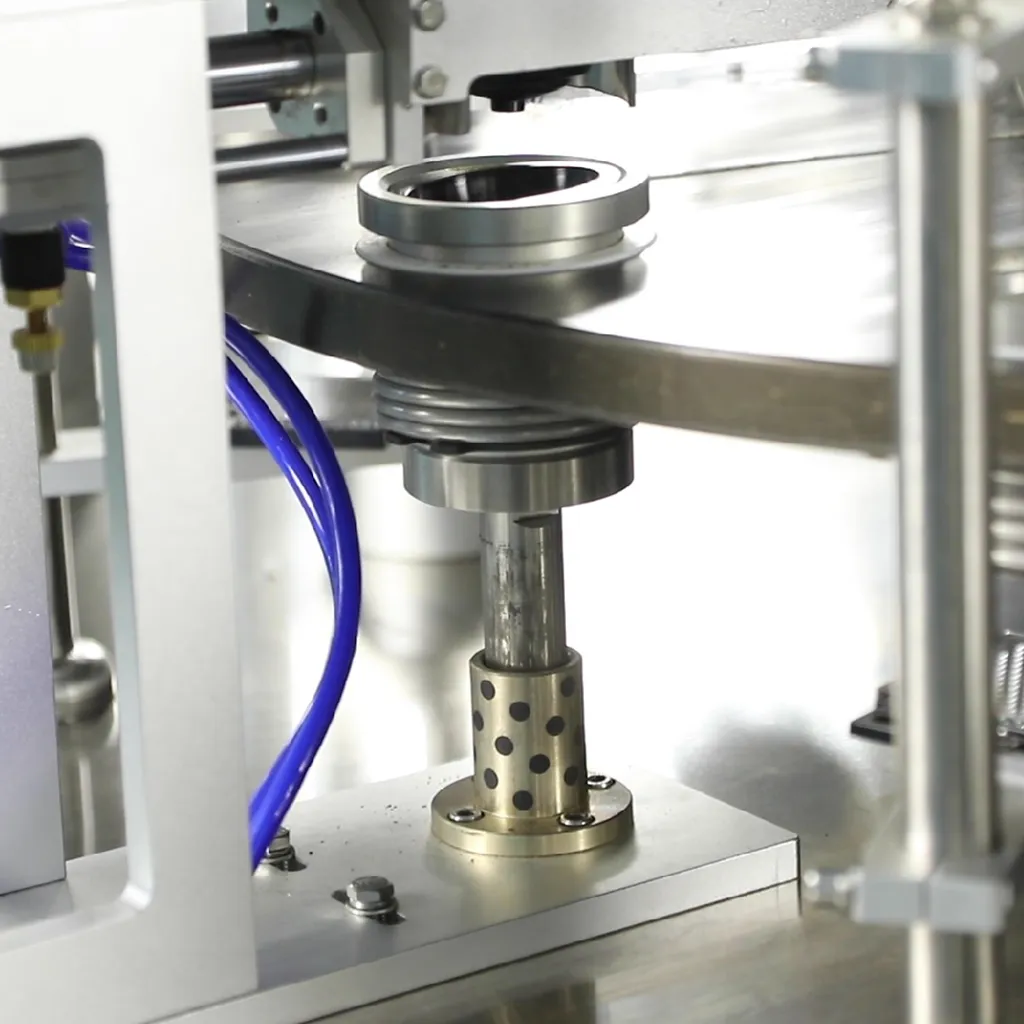
A typical coffee capsule filling machine performs these steps:
- Denest and load empty capsules.
- Detect capsule presence.
- Dose ground coffee with an auger or metering system.
- Clean coffee from the rim.
- Flush the headspace with nitrogen where required.
- Place a pre-cut lid or feed roll stock.
- Heat-seal, code, inspect, reject, and discharge.
Different molds and change parts may allow one rigid-capsule platform to handle several shapes. That flexibility must be demonstrated with the actual cups and lids. It is not automatic. Compare verified coffee capsule filling machine options against the required product and output.
How a Soft Coffee Pod Line Works
A soft-pod machine feeds filter-paper webs, doses the coffee, shapes the puck, joins the paper layers, and cuts the finished pod. A second wrapping stage may place each pod inside a high-barrier sachet, remove or displace air, seal it, and add coding.
So can one machine make both? Generally, no. A mold change can adapt some rigid machines between compatible capsule families. It cannot turn cup denesting and lid sealing into paper-web forming, puck handling, cutting, and overwrapping. Same coffee, different physics. A shared cartoner may be possible with new change parts, but even that needs testing.
Cost, MOQ, Labor, and Margin
| Cost Area | Capsule Packaging | Soft Pod Packaging |
| Primary consumable | Formed shell, filter where used, and lid | Filter-paper web and bonded pod structure |
| Extra barrier pack | May not be needed for a hermetic capsule | Individual high-barrier sachet is common |
| Tooling | Holders, molds, seal heads, feeders | Forming, sealing, cutting, and wrapper tooling |
| Storage and freight | Empty and filled cups use more cube | Flat materials and pods pack efficiently |
| Decoration | Printed lid or cup plus carton | Printed wrapper plus carton |
| Changeover | Cup, lid, dose, coffee, artwork | Paper, dose, wrapper, coffee, artwork |
Calculate landed cost per saleable serving, not the price of one shell or square of paper. Include coffee, primary material, wrapper, carton, nitrogen, labor, scrap, coding, testing, freight, changeovers, and equipment utilization.
MOQ is also a stack. Coffee batches, plain cups, filter material, printed lids, printed wrappers, and cartons may all have different minimums. A paper pod may look simpler, but its custom barrier sachet can become the artwork bottleneck. A capsule may have a higher material cost but fewer separate wrapping operations.
For a startup, co-packing is often the sensible test. Launch a controlled batch, check machine compatibility, monitor repeat orders, and learn which complaints appear. The equipment will still exist after demand is real. This broader guide to single-serve coffee packaging formats can help frame that make-versus-buy decision.
Which Format Fits Each Application?
| Business Profile or Channel | Likely Starting Fit | Why |
| North American retail or office coffee | K-Cup-compatible capsule | Familiar brewer base and larger drink format |
| Premium espresso DTC | Nespresso-compatible capsule | Compact, premium espresso positioning |
| Café, bakery, hotel, or restaurant | ESE paper pod | Portion control and easier operator cleanup |
| Sustainability-led brand | Case-by-case | Full pack and local recovery route matter |
| Private-label co-packer | Format with committed orders | Utilization should drive capital investment |
| Multi-beverage program | Larger rigid capsule | More room for cocoa, tea, milk, or soluble mixes |
Grocery needs shelf impact, barcodes, case packs, and consistent supply. Ecommerce cares about shipping cube and damage. Hospitality cares about speed, cleanup, and operator consistency. An OEM factory cares about changeovers, material availability, and customer pipeline.
The “best” package changes when the buyer changes. A premium capsule may be smart for an online espresso brand and awkward for a hotel already using ESE machines.
Standards, Claims, and Quality Checks
Food packaging must be suitable for its intended use. Depending on the market, this may involve FDA current good manufacturing practice and preventive controls, U.S. food-contact requirements, EU Framework Regulation 1935/2004, EU plastics rules for applicable materials, supplier declarations, migration evidence, traceability, and documented change control.
Environmental claims require similar care. The FTC advises marketers to avoid broad, unqualified claims such as “green” and to qualify recyclable or compostable claims when conditions or access are limited. (FTC Green Guides) ASTM D6400 and EN 13432 may be relevant to particular compostability claims, but certification scope and local infrastructure still matter.
Quality checks should match the format:
- Rigid capsules: dimensions, flange flatness, dose, residual oxygen, seal integrity, puncture, leakage, beverage flow, and sensory quality.
- Soft pods: diameter, coffee distribution, paper bond, puck strength, wrapper seal, residual oxygen, extraction, and tearing during handling.
Common mistakes are fairly ordinary: choosing a material before checking the brewer base, trusting a generic shelf-life claim, comparing incomplete packs, or buying a “multi-format” machine without a material trial. The fixes are ordinary too: define the format, test real components, run shelf-life work, and write acceptance criteria.
A Five-Step Decision Framework
- Identify the brewers used by the target customer.
- Define drink style, dose, shelf life, price, and channel.
- Build the complete pack for each option, including wrapper and carton.
- Compare co-packing and equipment scenarios using saleable-unit economics.
- Test production samples for compatibility, freshness, taste, claims, and distribution.
Choose the format that solves a customer problem with the least operational strain. Sounds almost too plain, but that is the point.
Conclusion
Neither coffee capsule packaging nor soft coffee pod packaging wins everywhere. Rigid capsules often fit strong barriers, brewer ecosystems, premium presentation, and automated scale. Soft pods can fit ESE espresso, flat logistics, and a simpler primary-material story.
The better business choice has a real installed brewer base, workable complete-pack economics, validated shelf life, accurate claims, and equipment your team can run well.
FAQs
1. Are Coffee Pods and Coffee Capsules the Same Thing?
In everyday language, people use the terms interchangeably. Technically, a capsule is usually a rigid aluminum or plastic container. A soft pod is coffee enclosed in filter paper or nonwoven material, such as an ESE pod.
2. Which Stays Fresher: a Capsule or a Paper Pod?
A hermetically sealed high-barrier capsule can protect coffee well. A paper pod can also achieve a long shelf life when sealed inside a suitable high-barrier wrapper. Real performance depends on the complete package and process.
3. Do ESE Coffee Pods Need Individual Wrappers?
Usually, yes, when they require retail shelf life. Filter paper is breathable, so an individual barrier sachet protects the coffee from oxygen and moisture. The exact structure should be validated with the product.
4. Are Paper Coffee Pods Cheaper to Manufacture?
Not automatically. The inner paper pod may use little material, but forming, individual wrapping, coding, labor, scrap, and carton costs must be included. Compare landed cost per saleable serving.
5. Which Is More Sustainable: Paper Pods or Aluminum Capsules?
It depends on the full pack and local waste system. A paper pod may still use a multilayer wrapper. Aluminum can be recyclable, but collection and separation are necessary. Avoid deciding from the primary material alone.
6. Can ESE Pods Work in Nespresso or Keurig Machines?
No. ESE pods require ESE-compatible equipment or a suitable portafilter. Nespresso and Keurig systems use different rigid capsule dimensions and brewing mechanisms.
7. Can One Machine Package Capsules and Soft Pods?
Generally not. Rigid capsule lines feed formed cups and apply lids. Soft-pod lines form and cut filter-paper webs and often add an overwrap. These are fundamentally different machine architectures.
8. Which Format Is Better for a Startup?
Choose the format already used by the target customers, then co-pack a pilot if demand is uncertain. A startup should validate price, compatibility, repeat purchase, and shelf life before buying dedicated equipment.
9. What Is the Shelf Life of Coffee Pods and Capsules?
There is no universal period. It depends on coffee, oxygen level, barrier performance, seal quality, storage, and sensory limits. Use real-time and appropriate accelerated studies to support the declared shelf life.
10. Which Quality Tests Should a Private-Label Buyer Request?
Ask for fill-weight data, residual-oxygen results, seal or leak testing, material and food-contact documentation, lot traceability, shelf-life support, and brewing tests in representative compatible machines.