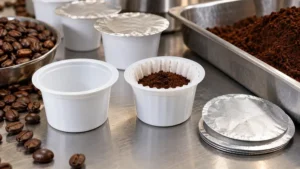
How to Package Coffee into K-Cup-Compatible Pods
You roast a lovely chocolatey blend. You spoon some grounds into an empty pod, seal it, and brew. The cup tastes thin. Or a few

You roast a lovely chocolatey blend. You spoon some grounds into an empty pod, seal it, and brew. The cup tastes thin. Or a few
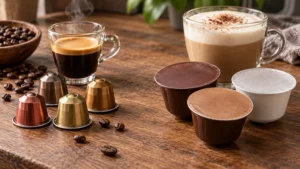
Choosing a capsule format is a bit like choosing the rail gauge before buying a train. Both options may look promising, but the wrong fit
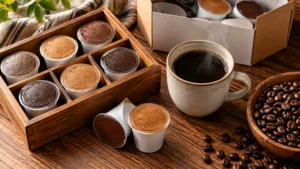
Shopping for K-Cup coffee on Amazon can feel like standing in front of a very long supermarket shelf. The logos look familiar. The roast labels
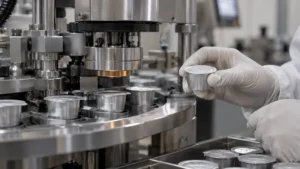
Picture a capsule line that passes oxygen checks during a slow demonstration. The seals look good. The coffee smells great. Then production speeds up, and
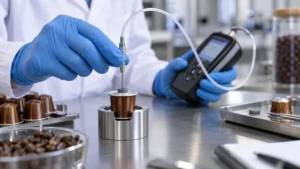
One capsule reads 0.7% oxygen. Nice. The next lane reads 1.8%, and the first capsules after every restart are even higher. Meanwhile, the nitrogen supply
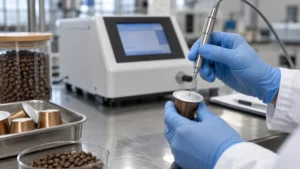
Two cups can start with the same coffee and taste oddly different. One is lively. You notice fruit, sweetness, and a clean finish. The other
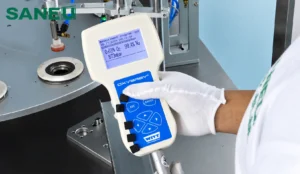
No, not automatically. A nitrogen generator supplying 99.9% purity does not prove that a sealed coffee capsule contains less than 0.1% oxygen. The numbers describe
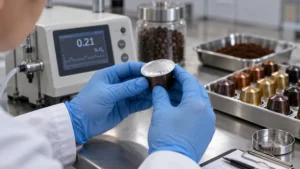
A roaster visits a machine demo. A vacuum-plus-nitrogen trial produces three capsules at 0.7% oxygen. A simpler nitrogen-flush run, done faster, produces samples around 1.4%.
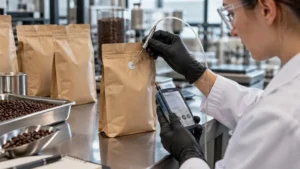
A roaster reads 2% oxygen on a freshly sealed bag. The coffee tastes good. Then a private-label buyer asks for less than 1% in a